

What is a Lithium Cobalt Oxide Material Handling System? And What Are Its Design Principles?
For those in the battery manufacturing industry, particularly those working with lithium cobalt oxide (LCO) materials, understanding the material handling systems used to process and transport these components is crucial. This article delves into the concept of a lithium cobalt oxide material handling system, outlining its core functions and the fundamental design principles that govern its operation. By examining these aspects, we aim to provide a comprehensive overview that is both informative and practical for industry professionals.
Introduction to Lithium Cobalt Oxide Material Handling Systems
Lithium cobalt oxide is a critical cathode material in lithium-ion batteries, known for its high energy density and stable performance. In battery production, the efficient handling and transportation of LCO powders and pellets are essential to maintain product quality and operational efficiency. A material handling system for LCO materials is a specialized setup designed to manage the flow of these powders from raw material storage to processing equipment, and ultimately to the battery cell assembly line. These systems are engineered to ensure minimal material loss, consistent particle size distribution, and adherence to strict contamination control measures, which are all vital for producing high-quality battery cells.
Key Components of a Lithium Cobalt Oxide Material Handling System
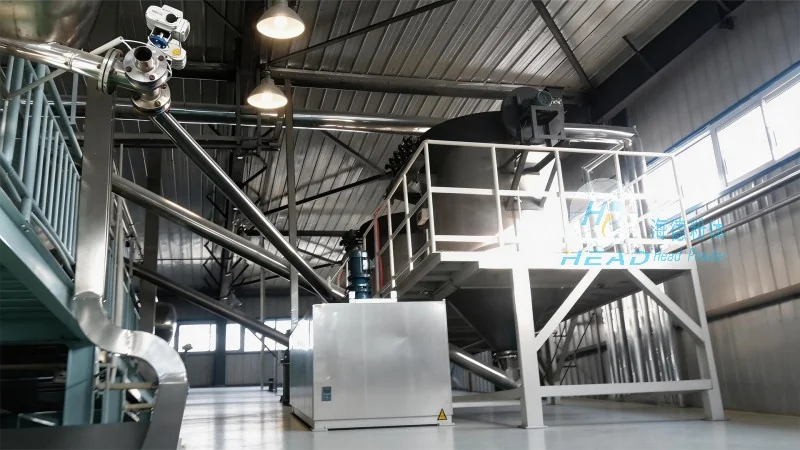
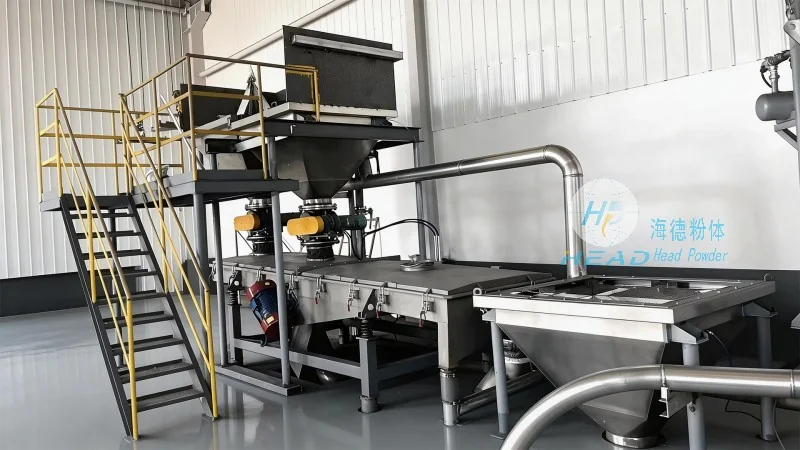
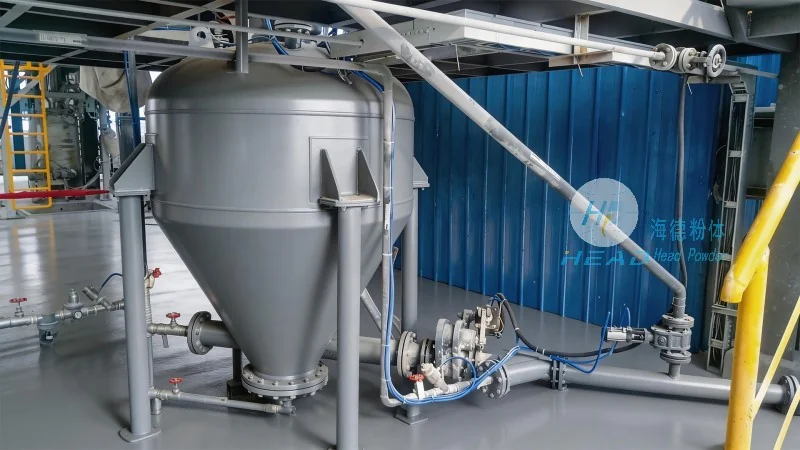
The design of a lithium cobalt oxide material handling system typically involves several key components that work in tandem to achieve seamless material flow. These components include bulk material storage silos or hoppers, conveying equipment such as screw conveyors or pneumatic transport systems, feeding mechanisms, and processing units like mixers or classifiers. Each component is selected based on the specific characteristics of the LCO material, including its particle size, moisture content, and flowability. For instance, some LCO powders may require aeration to prevent caking, which is addressed through the use of air-swept hoppers or vibratory feeders. The system also incorporates dust collection and filtration systems to maintain a clean and safe working environment, as LCO powders can be hazardous if inhaled.
Design Principles for Efficient Material Handling
The design principles of a lithium cobalt oxide material handling system are centered on optimizing material flow, ensuring process reliability, and maintaining product integrity. One of the primary principles is the minimization of material degradation during transport. This is achieved through the use of low-shear conveying methods, such as pneumatic transport or enclosed screw conveyors, which reduce the risk of particle attrition and agglomeration. Another key principle is the control of material moisture and temperature. Many LCO materials are hygroscopic, meaning they absorb moisture from the air, which can affect their performance in battery cells. Therefore, the system often includes drying units or moisture control chambers to maintain the material's optimal moisture level. Additionally, the system is designed for easy maintenance and cleaning to prevent cross-contamination between batches, which is critical in pharmaceutical and battery manufacturing where product purity is paramount.
Role of Material Handling in Battery Production
The lithium cobalt oxide material handling system plays a pivotal role in the overall battery production process. It serves as the backbone for the supply chain, ensuring that raw LCO materials are delivered to the processing line in a controlled manner. By integrating with other production equipment, such as mixing and coating machines, the material handling system helps maintain a consistent feed rate, which is essential for achieving uniform battery cell performance. Furthermore, the system's design allows for scalability, enabling manufacturers to adjust the capacity based on production demands without compromising efficiency. This adaptability is particularly important in the rapidly evolving battery industry, where demand for high-performance batteries is growing.
Conclusion and Company Overview
In conclusion, a lithium cobalt oxide material handling system is a sophisticated and essential component of modern battery manufacturing. Its design principles focus on efficiency, reliability, and product quality, all of which are critical for producing high-performance lithium-ion batteries. As the demand for batteries continues to rise, the importance of well-designed material handling systems cannot be overstated. Shandong HeadPowder Engineering Co., Ltd., a leading provider in this field, specializes in the design and implementation of such systems, leveraging years of expertise to meet the evolving needs of the battery industry. With a commitment to quality and innovation, HeadPowder ensures that its material handling solutions are tailored to the specific requirements of each client, helping them achieve optimal performance and productivity in their battery production processes.