Calcium carbonate powder, a widely used industrial material, often requires efficient and reliable transportation methods to move it from one location to another. A pneumatic conveying system specifically designed for calcium carbonate powder offers a solution that combines performance with durability. This article explores the concept of a calcium carbonate powder pneumatic conveying system and delves into its underlying design principles, providing a comprehensive overview for those interested in understanding this technology. Shandong HeadPowder Engineering Co., Ltd., a leading manufacturer of material handling solutions, specializes in designing and manufacturing pneumatic conveying systems for various industrial applications, including calcium carbonate powder. With a focus on quality and innovation, the company provides customized solutions that meet the specific needs of its clients, ensuring efficient and reliable material transport.
Understanding the Calcium Carbonate Powder Pneumatic Conveying System
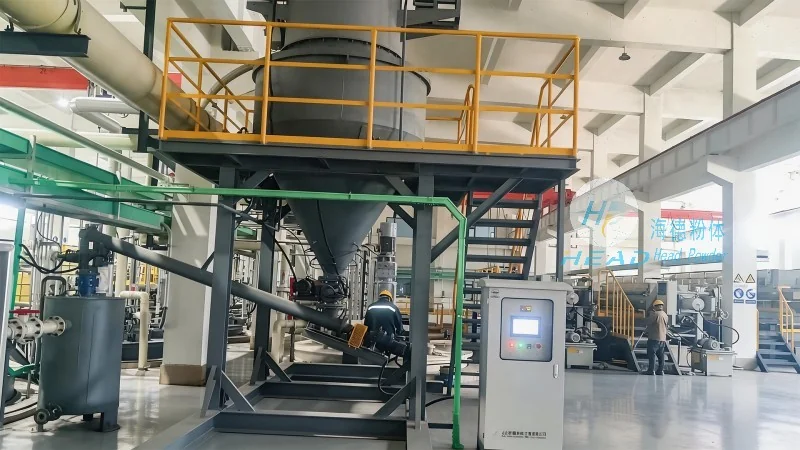
A calcium carbonate powder pneumatic conveying system is a type of material handling equipment that uses air or gas to transport dry powders, such as calcium carbonate, through a pipeline. This method is particularly advantageous for calcium carbonate powder due to its fine particle size and potential for dust generation during traditional handling processes. The system typically consists of several key components, including a material feeder, a conveying line, a separator, and a dust collector, all working in tandem to ensure efficient and safe transport.
Key Components of the System
The effectiveness of a calcium carbonate powder pneumatic conveying system largely depends on its well-designed components. The material feeder is responsible for introducing the calcium carbonate powder into the system at a controlled rate, preventing clogging and ensuring a consistent flow. The conveying line, often made of stainless steel or other corrosion-resistant materials, transports the powder and air mixture through the system. A separator, such as a cyclone or a bag filter, is used to separate the powder from the air at the end of the line, ensuring that the powder is deposited in the desired location while the air is safely vented. Finally, a dust collector may be included to capture any fine particles that escape the separator, enhancing environmental compliance and safety.
Design Principles for Optimal Performance
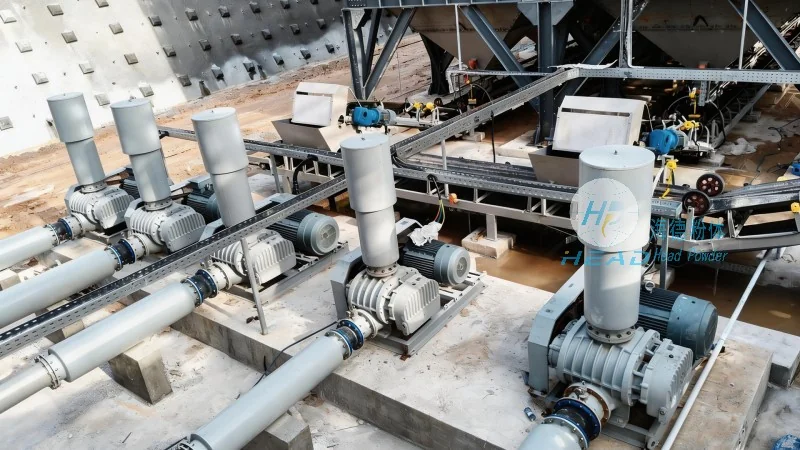
The design principles of a calcium carbonate powder pneumatic conveying system are critical to achieving optimal performance, efficiency, and reliability. One of the primary design considerations is the selection of the appropriate conveying method, which can be categorized as dilute-phase or dense-phase. Dilute-phase conveying uses low air velocities to transport the powder, making it suitable for long-distance or high-capacity applications. Dense-phase conveying, on the other hand, uses higher air velocities and lower flow rates to move the powder in a more compact form, reducing the risk of particle degradation and system wear. For calcium carbonate powder, which is often sensitive to high shear forces, dense-phase conveying may be preferred to maintain particle integrity.
Another crucial design principle is the selection of the right air pressure and flow rate. The system must be designed to maintain sufficient air velocity to prevent powder settling or clogging in the pipeline. This requires careful calculation of the air volume and pressure based on the particle size, density, and flow characteristics of the calcium carbonate powder. Additionally, the system's components must be sized appropriately to handle the expected flow rates and pressures, ensuring that the conveying line, feeder, and separator are all compatible with the material being transported.
Advantages of Using a Pneumatic Conveying System for Calcium Carbonate Powder
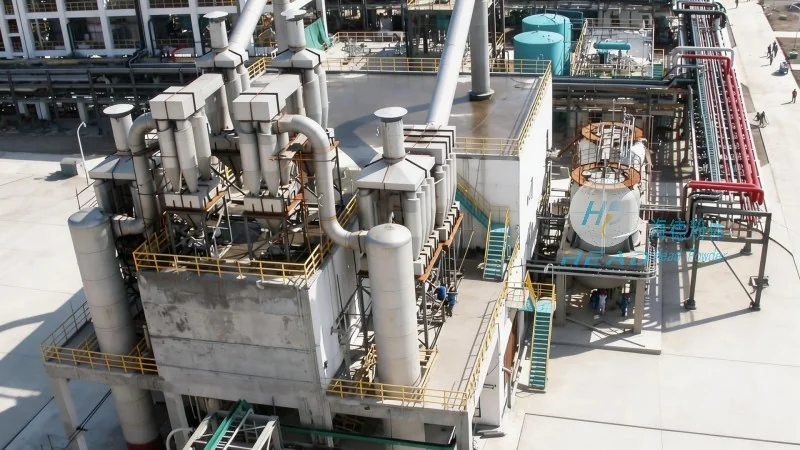
Implementing a calcium carbonate powder pneumatic conveying system offers several advantages over traditional handling methods. Firstly, it eliminates the need for manual handling, reducing the risk of dust exposure and improving workplace safety. Secondly, it provides a more hygienic and controlled environment, which is particularly important for food-grade or pharmaceutical applications where calcium carbonate is used. Thirdly, the system can significantly reduce material loss and contamination, as the powder is contained within the pipeline and handled in a closed system. Finally, pneumatic conveying systems are generally more energy-efficient than other methods, such as belt conveyors or bucket elevators, especially for long-distance or high-volume applications.
Applications and Industries
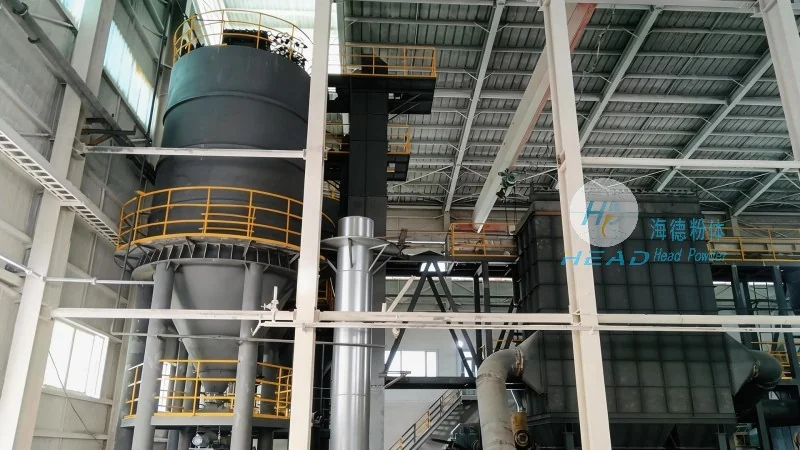
Calcium carbonate powder is used in a wide range of industries, including plastics, paper, coatings, and food processing. A pneumatic conveying system is particularly well-suited for these applications due to its ability to handle fine powders and maintain particle integrity. In the plastics industry, for example, calcium carbonate is used as a filler to improve the mechanical properties of the final product. The pneumatic conveying system ensures that the powder is delivered to the mixing equipment in a consistent and controlled manner, preventing quality variations. Similarly, in the paper industry, calcium carbonate is used as a coating pigment, and the system helps maintain the powder's quality during transport to the paper mill.
Conclusion
A calcium carbonate powder pneumatic conveying system is a sophisticated and efficient solution for transporting this essential industrial material. By understanding the key components and design principles, as well as the advantages and applications of such a system, businesses can make informed decisions about implementing this technology. The system not only improves operational efficiency and safety but also contributes to a more sustainable and environmentally friendly approach to material handling. For those considering a pneumatic conveying system for calcium carbonate powder, it is essential to work with experienced engineers and manufacturers who can provide tailored solutions that meet specific operational requirements.




