

Preventing Dust Leakage in Pneumatic Conveying Systems for Melamine Powder Transport
Efficient and safe material handling is critical in industrial operations, especially when dealing with powders like melamine. Pneumatic conveying systems have become a popular choice for transporting melamine powder due to their ability to move materials over long distances with minimal equipment. However, these systems are prone to dust leakage, which not only poses health and safety risks but also leads to material loss and environmental contamination. Understanding the causes of dust leakage and implementing effective prevention strategies is essential for maintaining operational efficiency and compliance with safety standards.
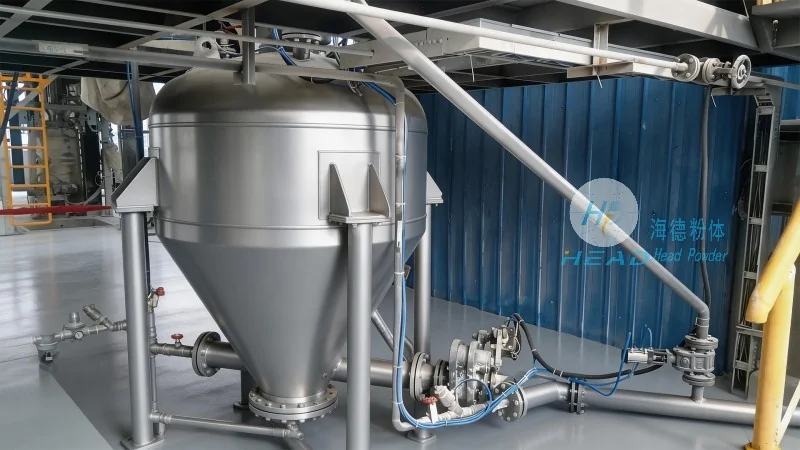
HeadPowder Engineering, a leading provider of pneumatic conveying solutions, specializes in designing and manufacturing systems tailored to the unique challenges of melamine powder transport. With a focus on innovation and reliability, the company has developed advanced technologies to mitigate dust leakage issues. Based in Shandong, China, HeadPowder Engineering combines years of industry experience with cutting-edge engineering to deliver high-performance solutions for clients worldwide.
Causes of Dust Leakage in Pneumatic Conveying Systems for Melamine Powder
Several factors contribute to dust leakage in pneumatic conveying systems when handling melamine powder. One primary cause is the high friction between the powder and system components, which can generate static electricity. Melamine powder is known for its electrostatic properties, making it prone to sticking to surfaces and creating dust clouds. Additionally, inadequate sealing of system components, such as hoppers, transfer points, and pipelines, allows dust to escape into the environment. The design of the conveying system, including the velocity of air flow and the size of the conveying line, also plays a role in dust leakage. If the air velocity is too low, it may not effectively transport the powder, leading to clogging and increased dust emissions. Conversely, excessive air velocity can cause pressure fluctuations that exacerbate leakage.
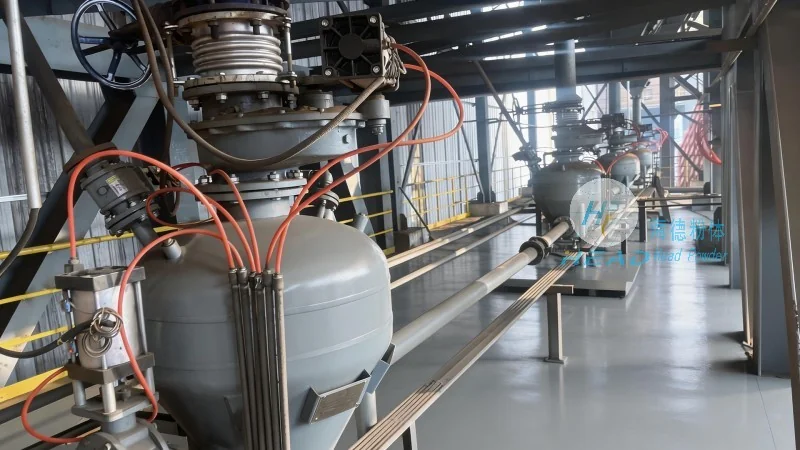
Key Technical Measures to Prevent Dust Leakage
HeadPowder Engineering employs a multi-faceted approach to prevent dust leakage in melamine powder conveying systems. The first step involves optimizing system design to minimize friction and static buildup. This includes using anti-static materials for hoppers and pipelines, which help dissipate electrical charges and prevent powder accumulation. Additionally, the company designs systems with robust sealing mechanisms, such as double-seal hoppers and flexible connectors, to ensure tight connections at transfer points. These features reduce the risk of dust escaping from joints and seams.
Another critical measure is the implementation of efficient filtration systems. HeadPowder Engineering integrates high-efficiency particulate air (HEPA) filters or bag filters into the system to capture any airborne dust particles before they are released into the environment. The filters are designed to handle the specific characteristics of melamine powder, ensuring high capture efficiency and minimal pressure drop. Regular maintenance of these filters is also essential to maintain their performance and prevent dust buildup.
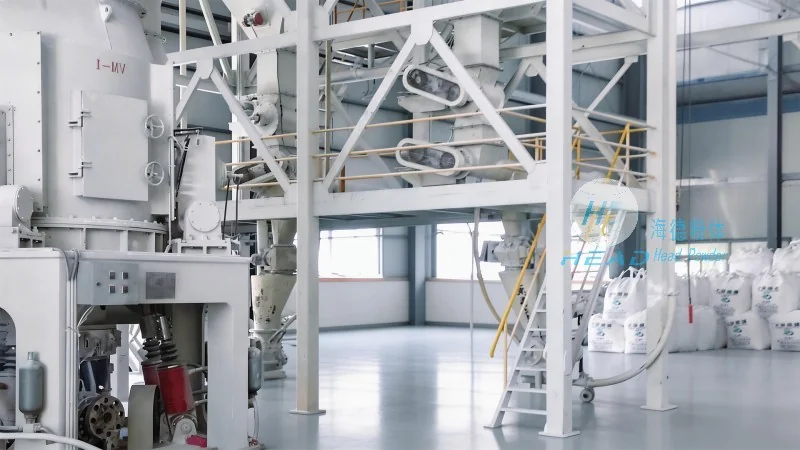
Operational protocols also play a vital role in preventing dust leakage. HeadPowder Engineering provides guidelines for proper system operation, including the use of appropriate air pressure and flow rates to avoid pressure fluctuations. Training operators on the importance of regular system checks and maintenance helps identify and address potential issues before they lead to significant dust leakage. Additionally, the company recommends using dust suppression systems, such as misting nozzles or air curtains, to reduce dust dispersion during material transfer.
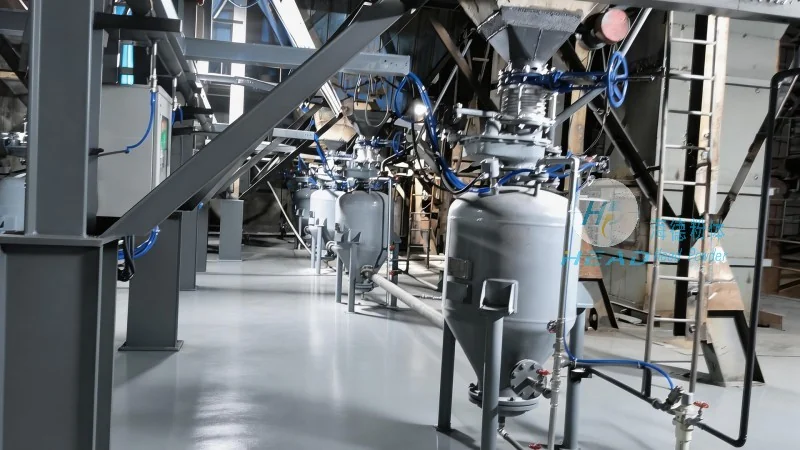
Benefits of Implementing Dust Prevention Measures
By implementing the technical measures outlined above, companies can achieve significant benefits in their melamine powder handling operations. First, reducing dust leakage improves workplace safety by minimizing exposure to airborne particles, which can cause respiratory issues and other health problems. This not only protects employees but also helps companies comply with occupational health and safety regulations. Second, preventing material loss through dust leakage enhances operational efficiency and cost-effectiveness. Melamine powder is a valuable commodity, and minimizing loss directly impacts the bottom line. Third, effective dust control measures contribute to environmental sustainability by reducing the amount of particulate matter released into the atmosphere. This helps companies meet environmental regulations and maintain a positive public image.
Conclusion
Preventing dust leakage in pneumatic conveying systems when transporting melamine powder is a critical challenge that requires a comprehensive approach. HeadPowder Engineering, with its expertise and innovative solutions, offers effective strategies to address this issue. By focusing on system design, sealing technology, filtration, and operational protocols, the company helps clients achieve safe, efficient, and environmentally responsible material handling. As the demand for melamine powder continues to grow, the importance of reliable and dust-free conveying systems will only increase. HeadPowder Engineering remains committed to providing cutting-edge solutions that meet the evolving needs of the industry, ensuring that melamine powder is transported safely and effectively.