

Operation Process and Working Principle of Pneumatic Conveying Lines for Solid Powder Materials
For industrial applications involving the transport of solid powder materials, pneumatic conveying lines offer an efficient and reliable solution. These systems are designed to move bulk materials like powders, granules, and fine particles through a pipeline using pressurized air or vacuum. The technology is widely used in various industries, including food processing, pharmaceuticals, chemicals, and minerals, due to its ability to handle sensitive materials without contamination or degradation. Shandong HeadPowder Engineering Co., Ltd., a leading provider of pneumatic conveying solutions, specializes in designing and manufacturing efficient and reliable systems for solid powder material transport. With a focus on innovation and quality, the company ensures that its systems meet the highest standards of performance and durability.
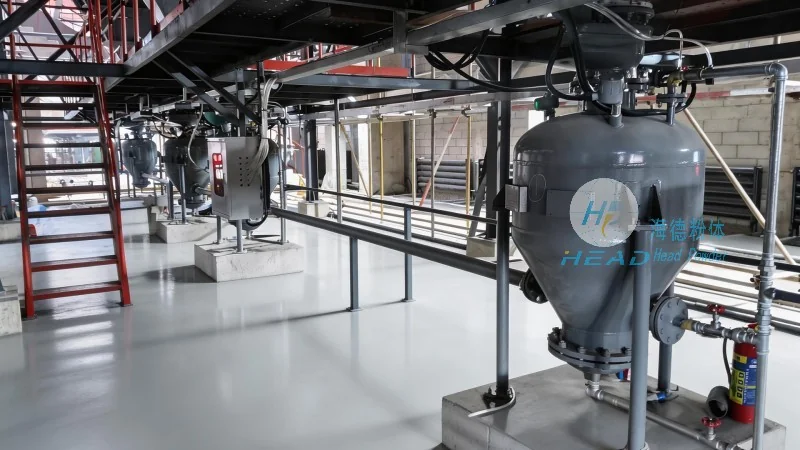
Key Components of Pneumatic Conveying Systems
At the core of any pneumatic conveying line are several essential components that work in tandem to ensure effective material transport. The primary components include the material hopper, feeder, conveying line (pipeline), air mover (blower or vacuum pump), and discharge equipment. The material hopper serves as the storage and feeding unit, where the solid powder is loaded and prepared for transport. The feeder, typically a rotary valve or screw feeder, regulates the flow rate of the material into the conveying line, ensuring a consistent and controlled feed. The conveying line, made of materials such as stainless steel or plastic, provides the path for the material and air mixture. The air mover generates the necessary pressure or vacuum to move the material through the pipeline. Finally, the discharge equipment, such as a rotary valve or a receiver, collects the material at the destination point. Each component plays a critical role in the overall operation of the system, and their proper selection and integration are essential for optimal performance.
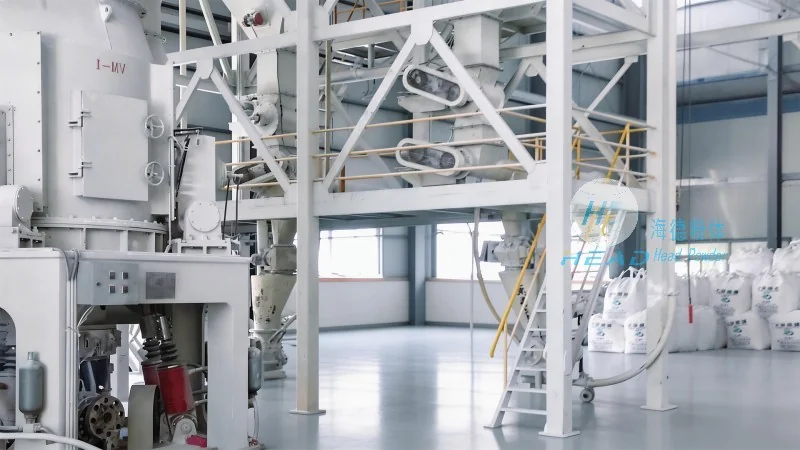
Working Principle of Pneumatic Conveying
The working principle of pneumatic conveying lines is based on the movement of material particles suspended in a gas stream. There are two main types of pneumatic conveying systems: pressure and vacuum. In pressure systems, a blower or compressor creates positive pressure within the pipeline, pushing the material forward. The material is introduced into the line at the inlet, where it is mixed with the pressurized air. As the air flows through the pipeline, it lifts and transports the powder particles. The velocity of the air must be sufficient to overcome the gravitational force and frictional resistance of the particles, ensuring they remain suspended and move efficiently. In vacuum systems, a vacuum pump creates a negative pressure in the pipeline, drawing the material from the source to the destination. The material is typically fed into the line at the inlet, and the vacuum pulls it through the pipeline to the receiver. Both systems rely on the principle of fluidization, where the air flow creates a fluid-like environment for the particles. This fluidization allows the particles to be transported without clogging or degradation, as the air flow maintains the particles in a suspended state. The design of the pipeline, including the diameter and length, is critical to ensure the air velocity remains within the optimal range for fluidization, preventing excessive pressure drop or particle deposition.
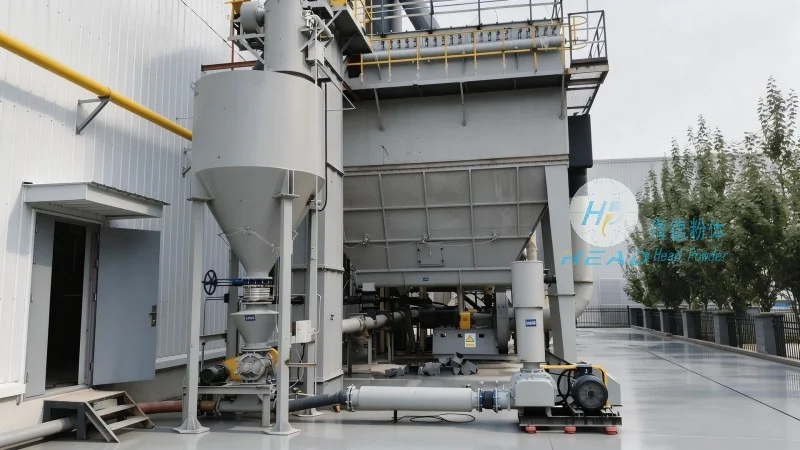
Operation Process of Pneumatic Conveying Lines
The operation process of a pneumatic conveying line involves several sequential steps that ensure smooth and continuous material transport. First, the solid powder is loaded into the material hopper. The feeder then regulates the flow rate, controlling the amount of material entering the conveying line. The air mover is activated, creating the necessary pressure or vacuum. The material is introduced into the line at the inlet, where it mixes with the air stream. As the mixture travels through the pipeline, it is transported to the discharge equipment at the destination. The discharge equipment collects the material and may include a storage bin or a processing unit. The system operates continuously, with the feeder and air mover maintaining a consistent flow rate to ensure uninterrupted transport. Regular maintenance, such as cleaning the pipeline and checking the air mover, is essential to prevent clogging and ensure the system's efficiency. The company, Shandong HeadPowder Engineering Co., Ltd., provides comprehensive support for its systems, including installation, commissioning, and ongoing maintenance services to ensure optimal performance and longevity.
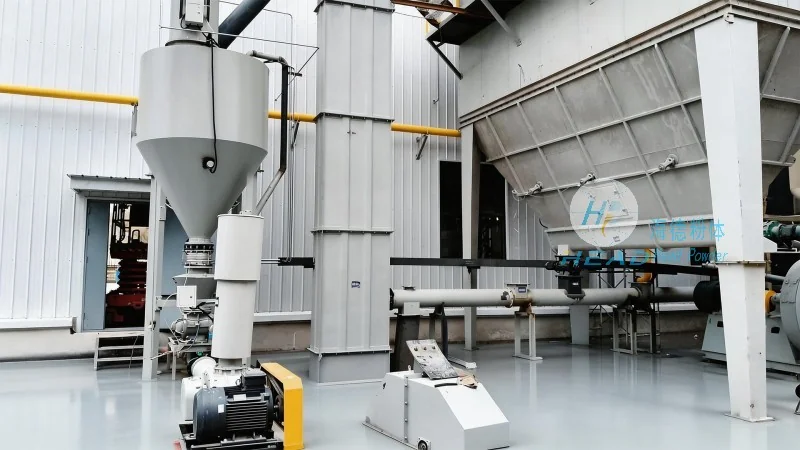
Advantages of Pneumatic Conveying Lines
Pneumatic conveying lines offer several advantages over traditional mechanical conveying methods. One of the key benefits is the ability to handle sensitive materials without contamination or degradation. The enclosed pipeline prevents exposure to air, moisture, or other contaminants, which is crucial for pharmaceuticals, food products, and chemicals. Additionally, pneumatic conveying systems are flexible and can be easily integrated into existing industrial setups. They can transport materials over long distances and through complex layouts, such as vertical lifts or multiple branches. The system is also relatively compact and can be installed in limited spaces, making it suitable for various industrial environments. Furthermore, pneumatic conveying lines are energy-efficient and can be designed to operate with minimal power consumption, reducing operational costs. The ability to handle a wide range of materials, from fine powders to bulk granules, makes these systems versatile and adaptable to different industrial needs. Shandong HeadPowder Engineering Co., Ltd. specializes in customizing pneumatic conveying solutions to meet the specific requirements of each client, ensuring that the system is optimized for their unique operational needs.