

Operation Process and Working Principle of Activated Carbon Material Pneumatic Conveying Line
Shandong HeadPowder Engineering Co., Ltd., commonly known as headpowder, is a professional manufacturer and supplier specializing in the design, production, and installation of advanced pneumatic conveying systems. With a focus on activated carbon material handling, the company has established itself as a leading provider in the industry, offering high-quality solutions tailored to the unique requirements of various industrial applications. Headquartered in Shandong, China, headpowder leverages decades of expertise to deliver reliable and efficient pneumatic conveying lines that enhance operational performance and ensure optimal material transport.
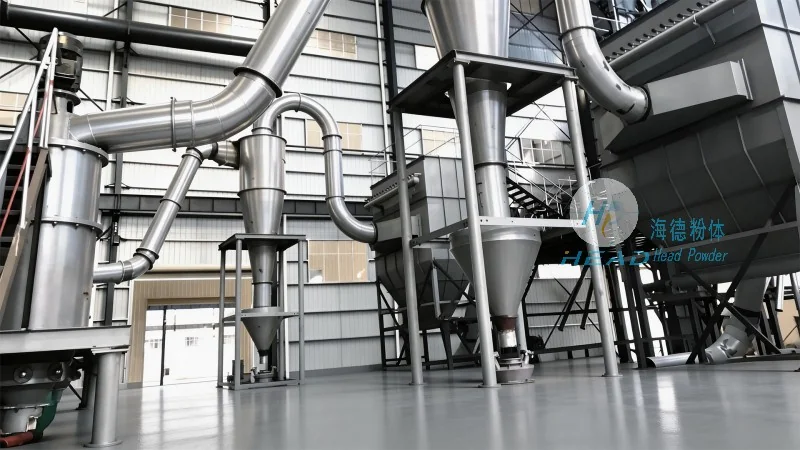
Understanding the Pneumatic Conveying Process
The operation of an activated carbon material pneumatic conveying line involves a systematic approach to transporting bulk materials through a pressurized or vacuum system. At the core of this process is the use of air or gas as the conveying medium, which propels the activated carbon particles from the source to the destination. The system typically consists of several key components, including a material hopper, a feeder, a conveying pipe, a control valve, and a receiver. Each component plays a crucial role in ensuring the smooth and efficient movement of the activated carbon material.
Key Components and Their Functions
1. Material Hopper: This is the initial storage container where the activated carbon material is held before being fed into the conveying system. The hopper is designed to maintain a consistent material level and prevent clogging, ensuring a steady supply of material for the feeder.
2. Feeder: The feeder is responsible for controlling the flow rate of the activated carbon material into the conveying pipe. It can be a rotary valve, a screw feeder, or a vibratory feeder, depending on the specific requirements of the application. The feeder ensures that the material is introduced into the system at a controlled rate, preventing overloading or underloading of the conveying line.
3. Conveying Pipe: The pipe is the main channel through which the activated carbon material is transported. It is typically made of durable materials such as stainless steel or plastic, which are resistant to corrosion and wear from the activated carbon particles. The pipe is designed with smooth inner surfaces to minimize friction and ensure efficient material movement.
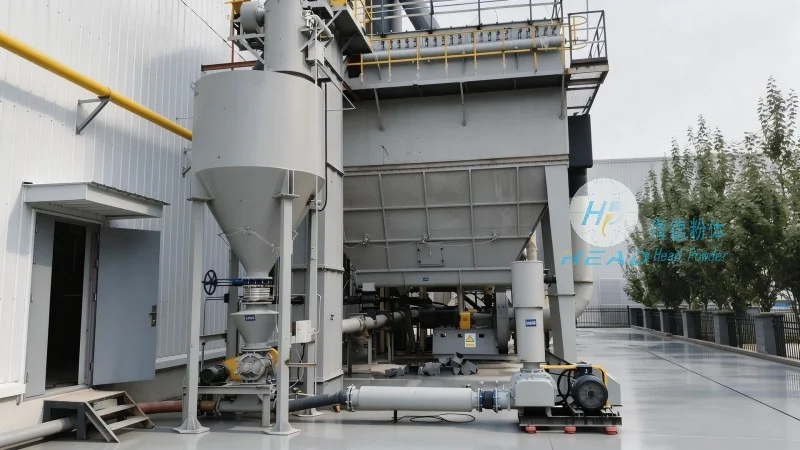
4. Control Valve: The control valve regulates the flow of air or gas within the system, adjusting the pressure and velocity as needed to maintain optimal conveying conditions. It can be automated or manually operated, depending on the system's complexity and operational needs.
5. Receiver: The receiver is the final destination where the activated carbon material is deposited. It is designed to collect the material and prevent spillage or contamination. The receiver may include a discharge valve or a hopper to facilitate the transfer of the material to the next processing stage.
Working Principle of the Pneumatic Conveying Line
The working principle of an activated carbon material pneumatic conveying line is based on the principles of fluid dynamics and particle transport. In a typical system, the activated carbon material is fed into the conveying pipe from the hopper, and the feeder introduces the material at a controlled rate. Simultaneously, the control valve adjusts the flow of air or gas, creating a pressure differential that propels the material forward. The air or gas acts as a carrier, suspending the activated carbon particles and transporting them through the pipe. The velocity of the gas is critical, as it must be sufficient to keep the particles suspended and prevent deposition or blockage. The system may operate under positive pressure (where the conveying pipe is pressurized) or negative pressure (where the pipe is vacuumed), depending on the specific application and material characteristics.
Advantages of Activated Carbon Material Pneumatic Conveying Lines
Activated carbon material pneumatic conveying lines offer several advantages over traditional material handling methods, such as belt conveyors or bucket elevators. These advantages include:
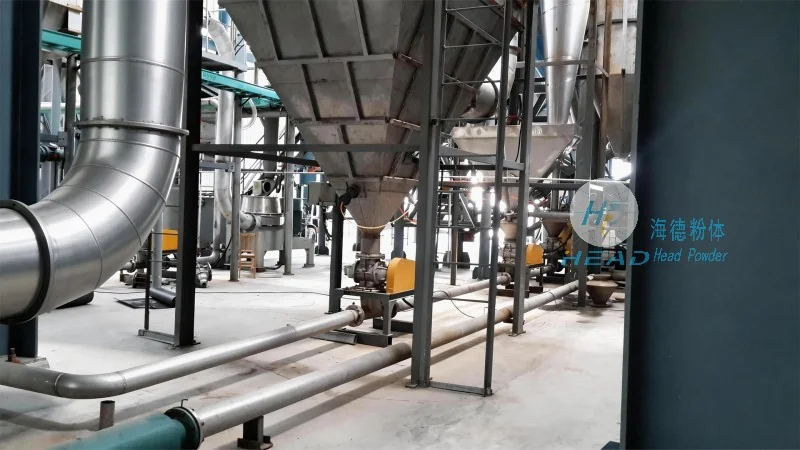
1. Reduced Downtime and Maintenance: The absence of moving parts in the conveying pipe reduces the risk of mechanical failure and minimizes maintenance requirements. This leads to lower operational costs and increased system reliability.
2. Improved Material Quality: The enclosed system prevents contamination from external sources and minimizes dust generation, ensuring that the activated carbon material remains clean and free from impurities.
3. Enhanced Safety: The enclosed design reduces the risk of dust explosions and provides a safer working environment for operators. It also minimizes the exposure of personnel to airborne particles.
4. Flexibility and Scalability: Pneumatic conveying systems can be easily adapted to different material types and flow rates, making them suitable for a wide range of industrial applications. They can also be scaled up or down to meet the changing needs of the operation.
Applications of Activated Carbon Material Pneumatic Conveying Lines
Activated carbon material pneumatic conveying lines are widely used in various industries, including:
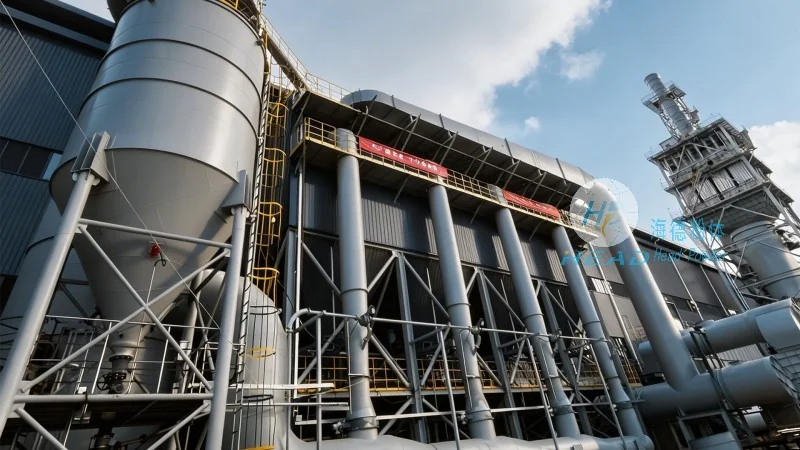
1. Environmental and Water Treatment: Activated carbon is extensively used in water treatment plants to remove impurities and contaminants from water. The pneumatic conveying line ensures efficient transport of the activated carbon from storage to the treatment units.
2. Pharmaceutical and Chemical Industries: The pharmaceutical and chemical sectors require high-purity materials, and pneumatic conveying systems provide a clean and hygienic method for transporting activated carbon used in filtration and adsorption processes.
3. Food and Beverage Industry: Activated carbon is used in the food and beverage industry for flavor enhancement and purification. The pneumatic conveying line ensures that the activated carbon is handled hygienically and efficiently, maintaining product quality.
4. Power Generation: In power plants, activated carbon is used for flue gas desulfurization and other pollution control processes. The pneumatic conveying system facilitates the transport of activated carbon to the scrubbers and other treatment equipment.