Shandong HeadPowder Engineering Co., Ltd., commonly known as headpowder, is a professional manufacturer and supplier of pneumatic conveying systems based in Shandong, China. The company specializes in the design, development, and installation of advanced material handling solutions, including systems for transporting pyrolysis char. This article provides an in-depth look at the operating process and working principle of a typical pneumatic conveying line used for pyrolysis char, highlighting the key components and operational steps involved.
Overview of Pyrolysis Char and Its Handling Requirements
Pyrolysis char is a solid byproduct generated from the thermal decomposition of organic materials, such as biomass or waste plastics, under controlled conditions. It typically has a porous structure, variable particle size distribution, and can be prone to dust generation during handling. Due to these characteristics, conventional bulk material handling methods may not be suitable, as they can lead to material degradation, equipment wear, or environmental issues. Pneumatic conveying offers a solution by providing a closed system that minimizes dust exposure and ensures efficient, dust-free transport of pyrolysis char from the production site to storage or processing facilities.
Key Components of a Pneumatic Conveying Line for Pyrolysis Char
The pneumatic conveying system for pyrolysis char consists of several interconnected components that work together to achieve reliable material transport. The main components include:
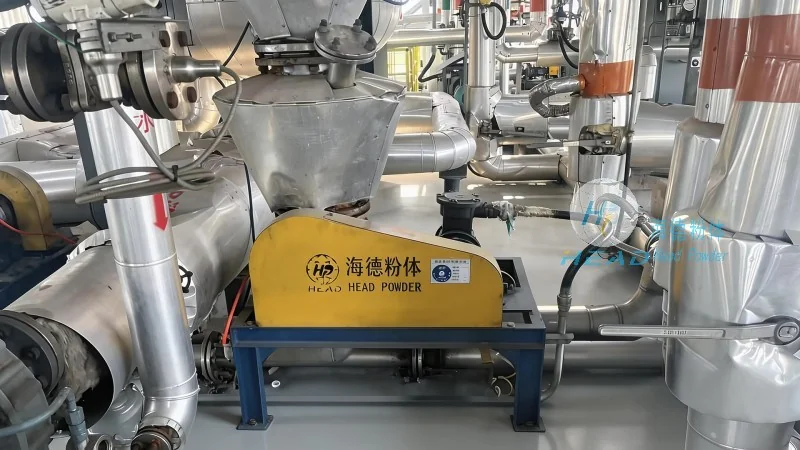
- Material Feeder: This component is responsible for feeding the pyrolysis char into the conveying line at a controlled rate. Common types include rotary valves, screw feeders, or vibratory feeders, which ensure a consistent flow of material without blockages.
- Conveying Pipe: The pipe network through which the pyrolysis char is transported. The pipe material is typically selected for its resistance to abrasion and corrosion, as pyrolysis char can be abrasive and may contain acidic or basic components. Stainless steel or high-grade plastic pipes are commonly used.
- Air Supply System: This includes a blower or fan that generates the necessary air pressure or vacuum to move the material. The system is designed to handle the specific air volume and pressure required for the particle size and density of the pyrolysis char.
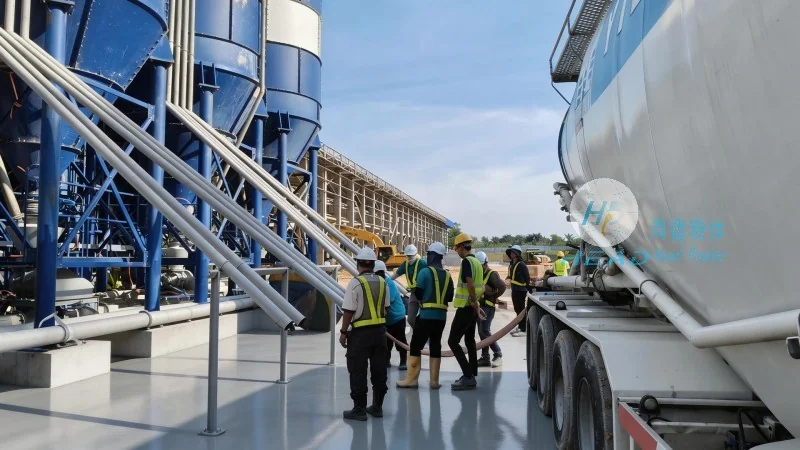
- Separation and Collection System: At the end of the conveying line, a separator (such as a cyclone or bag filter) is used to separate the pyrolysis char from the air stream. The collected material is then discharged into a storage bin or processing unit. The air is typically filtered and recirculated to minimize environmental impact.
Operating Process of the Pneumatic Conveying Line
The operation of a pneumatic conveying line for pyrolysis char involves a sequence of steps that ensure efficient and safe material transport. The process typically begins with the feeding of pyrolysis char into the material feeder. The feeder then delivers the material to the conveying pipe at a controlled rate. Simultaneously, the air supply system generates the required air flow, which is introduced into the pipe at a specific point (e.g., near the feeder or along the pipe). The air flow creates a drag force that lifts and transports the pyrolysis char particles through the pipe.
As the material travels through the conveying pipe, it may encounter bends, changes in pipe diameter, or other components that affect the flow. The system is designed to handle these variations, ensuring that the material moves smoothly without clogging or excessive pressure drops. The conveying line may include multiple sections, such as horizontal and vertical runs, depending on the layout of the facility. Each section is sized and configured to maintain the optimal air-to-material ratio for efficient transport.
Working Principle: How Pneumatic Conveying Transports Pyrolysis Char
The working principle of a pneumatic conveying system relies on the fundamental physics of fluid dynamics and particle motion. In a positive pressure system, a blower pushes air into the conveying pipe, creating a pressure higher than the ambient air. The pyrolysis char particles are suspended in the air stream and carried along the pipe. The air velocity must be sufficient to overcome the gravitational force acting on the particles and to provide the necessary lift force.
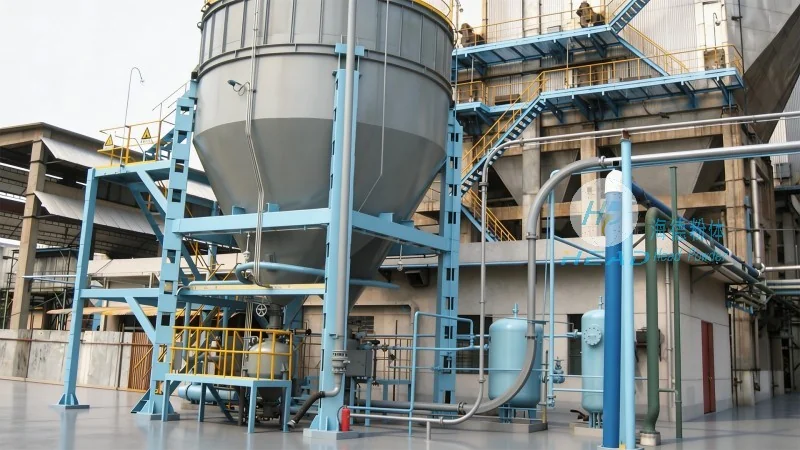
In a negative pressure (or vacuum) system, a fan creates a vacuum in the conveying line, drawing air and material from the source and transporting them to the collection point. The negative pressure system is often used for shorter distances or when the material needs to be transported from a higher elevation to a lower one. Both systems can be used for pyrolysis char, with the choice depending on factors such as the distance to be covered, the height difference, and the material characteristics.
The key to efficient pneumatic conveying is maintaining the correct air-to-material ratio. If the air flow is too low, the material may not be fully suspended and can settle in the pipe, leading to blockages. If the air flow is too high, the system may experience excessive energy consumption and potential damage to the equipment. The system is typically equipped with sensors and controls that monitor the flow rates and adjust the air supply as needed to maintain optimal performance.
Benefits and Considerations for Pyrolysis Char Pneumatic Conveying
Implementing a pneumatic conveying line for pyrolysis char offers several advantages. The closed system minimizes dust emissions, improving workplace safety and environmental compliance. It also reduces material loss and degradation, as the material is not exposed to external factors during transport. Additionally, the system can handle a wide range of particle sizes and flow rates, making it versatile for different production scales.
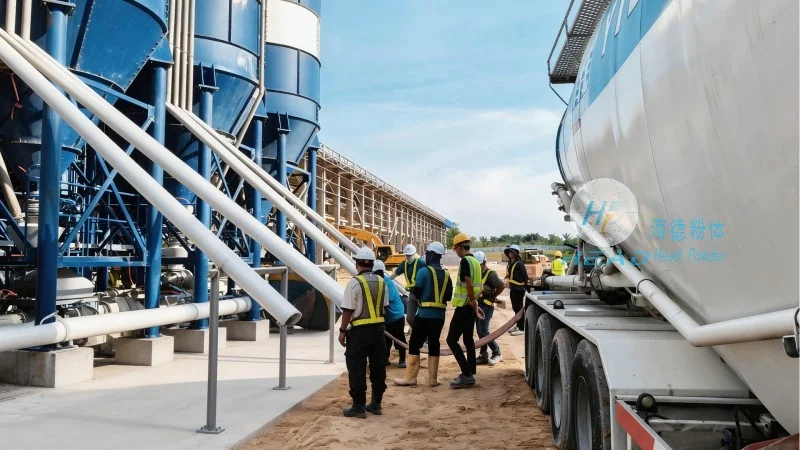
However, there are also considerations to keep in mind when designing and operating a pneumatic conveying system for pyrolysis char. The abrasive nature of the material may require more robust equipment, such as high-quality bearings and wear-resistant pipe linings. The system must also be designed to handle any potential moisture or corrosive components in the pyrolysis char, which could affect the equipment's lifespan and performance. Regular maintenance and monitoring are essential to ensure the system operates efficiently and reliably over time.
Conclusion
Shandong HeadPowder Engineering Co., Ltd. specializes in providing customized pneumatic conveying solutions for pyrolysis char materials. By understanding the unique characteristics of pyrolysis char and designing a system with appropriate components and operational parameters, the company ensures efficient, safe, and reliable material transport. The operating process and working principle of such a system involve careful coordination of material feeding, air supply, and separation, all of which contribute to the overall effectiveness of the material handling process. With its expertise in engineering and manufacturing, headpowder continues to deliver high-quality pneumatic conveying systems that meet the demands of modern pyrolysis operations.




