Highland malt residue, a byproduct of the distillation process in the liquor industry, requires efficient and reliable transport systems to ensure smooth production flow. Pneumatic conveying offers a viable solution, with two primary methods—positive pressure and negative pressure—each presenting distinct advantages and challenges. This analysis delves into the technical aspects, operational performance, and practical applications of both approaches, providing a comprehensive comparison for industry stakeholders.
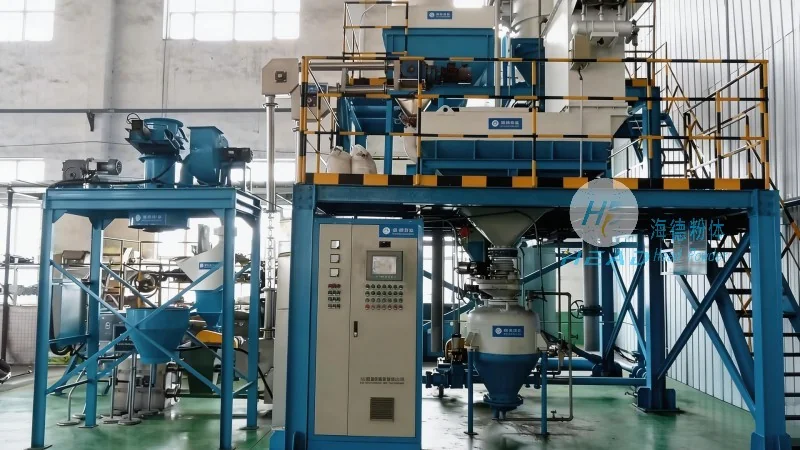
Introduction to Pneumatic Conveying Systems for Highland Malt Residue
Pneumatic conveying systems utilize air or gas to transport bulk materials like highland malt residue through a pipeline network. These systems are widely adopted in the food and beverage sector due to their ability to handle abrasive or sticky materials while minimizing contamination risks. The choice between positive pressure and negative pressure conveying depends on factors such as material characteristics, required transport distance, and operational constraints. Understanding the nuances of each method is crucial for optimizing production efficiency and reducing downtime.
Positive Pressure Conveying: Principles and Applications
Positive pressure conveying, also known as pressure conveying, operates by blowing air or gas into the pipeline at a higher pressure than the ambient environment. The high-pressure air creates a flow that propels the highland malt residue forward. This method is particularly effective for long-distance transport, as it can maintain consistent material velocity and prevent blockages. The system typically includes a blower, a hopper for material storage, and a discharge point at the destination. A key advantage of positive pressure systems is their ability to handle high volumes of material with minimal pressure drop, making them suitable for large-scale operations. However, they require robust equipment to withstand high pressures, leading to higher initial investment and maintenance costs.
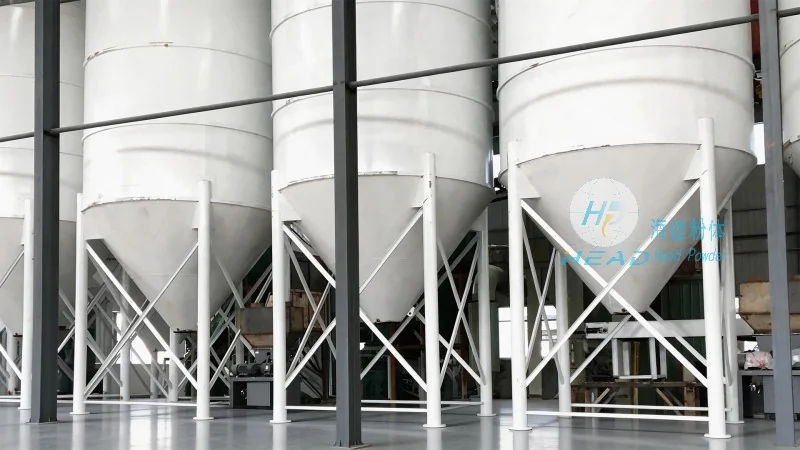
Negative Pressure Conveying: Principles and Applications
Negative pressure conveying, or vacuum conveying, works by creating a low-pressure environment in the pipeline, drawing the highland malt residue into the system using a vacuum pump. This method is often preferred for shorter transport distances and applications where material is sourced from multiple points. The system is generally simpler in design, with fewer components compared to positive pressure systems. A notable benefit is its lower energy consumption and reduced noise levels, as the vacuum pump operates at lower speeds. However, negative pressure systems have limitations in terms of maximum transport distance and material throughput, as the pressure differential diminishes over longer pipelines. Additionally, they may be more susceptible to clogging if the material contains high moisture content or fine particles.
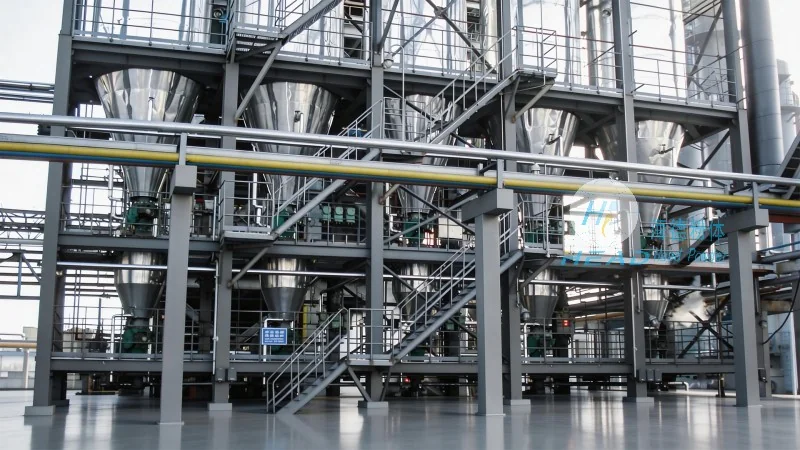
Comparative Analysis: Key Differences and Performance Metrics
When evaluating positive and negative pressure conveying for highland malt residue, several performance metrics are critical. Transport distance is a primary factor: positive pressure systems can achieve distances of up to several kilometers, while negative pressure systems are typically limited to a few hundred meters. Efficiency, measured by the ratio of material delivered to the total air volume used, is higher in positive pressure systems due to their consistent pressure maintenance. Energy consumption is another key consideration; negative pressure systems generally consume less energy but may require more frequent maintenance of the vacuum pump. Material handling capacity varies, with positive pressure systems capable of handling larger volumes at higher speeds. Maintenance requirements differ significantly, as positive pressure systems need regular checks on blower performance and pipeline integrity, whereas negative pressure systems focus on vacuum pump and filter maintenance.
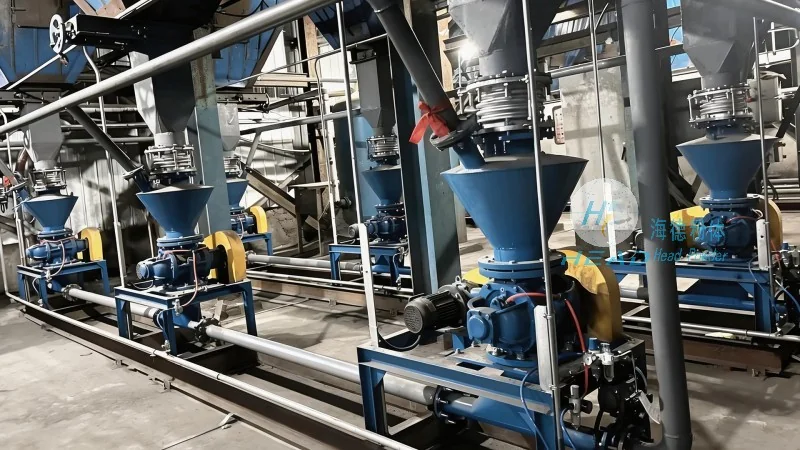
Case Study: Application in Shandong HeadPowder Engineering Co., Ltd.
Shandong HeadPowder Engineering Co., Ltd., a leading provider of engineering solutions in China, has implemented both positive and negative pressure conveying systems in its highland malt residue processing facilities. The company’s experience highlights the practical implications of each method. For instance, in a large-scale distillery with a long-distance transport requirement from the residue storage silo to the processing plant, the positive pressure system proved efficient, maintaining a consistent flow rate of 10 tons per hour over a 1.5 km pipeline. In contrast, a smaller auxiliary system for transporting residue from a secondary hopper to a mixing unit utilized a negative pressure system, achieving a flow rate of 2 tons per hour over a 200-meter distance. The case study underscores the importance of matching the conveying method to the specific operational needs, balancing factors such as distance, volume, and cost. Shandong HeadPowder’s expertise in designing and commissioning these systems ensures optimal performance and minimal operational disruptions.
Conclusion: Selecting the Right Conveying Method
The choice between positive pressure and negative pressure conveying for highland malt residue depends on a combination of technical, economic, and operational factors. Positive pressure systems excel in long-distance, high-volume applications but come with higher capital and maintenance costs. Negative pressure systems are more suitable for shorter distances and lower throughput, offering lower energy consumption and simpler design. For industries like liquor production, where highland malt residue must be handled efficiently and reliably, a thorough analysis of the specific requirements is essential. By leveraging the expertise of companies like Shandong HeadPowder Engineering Co., Ltd., operators can select the most appropriate pneumatic conveying method to enhance productivity, reduce costs, and ensure compliance with industry standards.




