HeadPowder, a leading engineering firm based in Shandong, China, specializes in the design and implementation of advanced material handling solutions. In the realm of polyethylene powder transportation, two primary pneumatic conveying methods are widely utilized: positive pressure conveying and negative pressure conveying. This article provides a detailed comparison of these two approaches, examining their operational principles, advantages, disadvantages, and optimal application scenarios to help industry professionals make informed decisions.
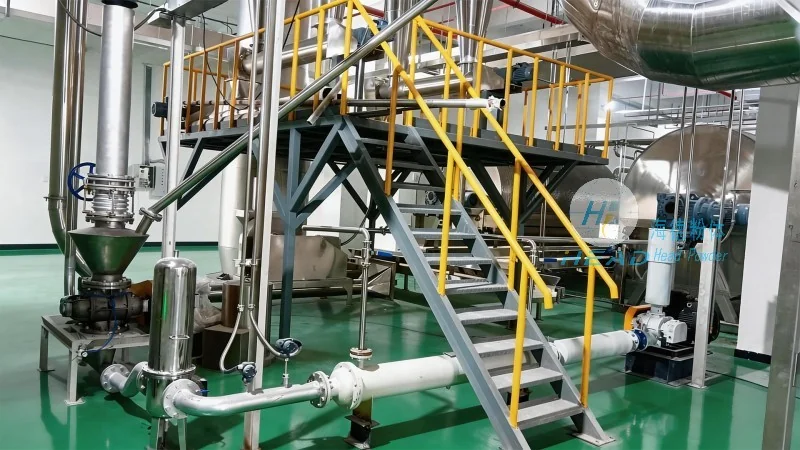
Introduction to Pneumatic Conveying for Polyethylene Powder
Pneumatic conveying is a critical technology for transporting bulk materials like polyethylene powder, offering a dust-free, efficient, and flexible alternative to traditional mechanical methods. The choice between positive and negative pressure systems depends on various factors, including material properties, distance, and process requirements. Understanding the nuances of each method is essential for optimizing material flow and ensuring operational efficiency.
About HeadPowder Engineering Co., Ltd.
HeadPowder Engineering Co., Ltd. is a reputable company headquartered in Shandong, China. With years of experience in the engineering sector, the firm focuses on delivering high-quality solutions for material handling and processing. The company's expertise lies in customizing pneumatic conveying systems tailored to the specific needs of clients, ensuring reliable and efficient material transport.
Positive Pressure Conveying: How It Works and Its Key Features
Positive pressure conveying, also known as pressure pneumatic conveying, operates by blowing air or a gas mixture into a sealed system to move the material. In this method, a positive pressure is maintained throughout the entire conveying line, including the material source and the discharge point. The system typically uses a blower or a positive displacement pump to generate the necessary pressure, which forces the polyethylene powder through the pipeline.
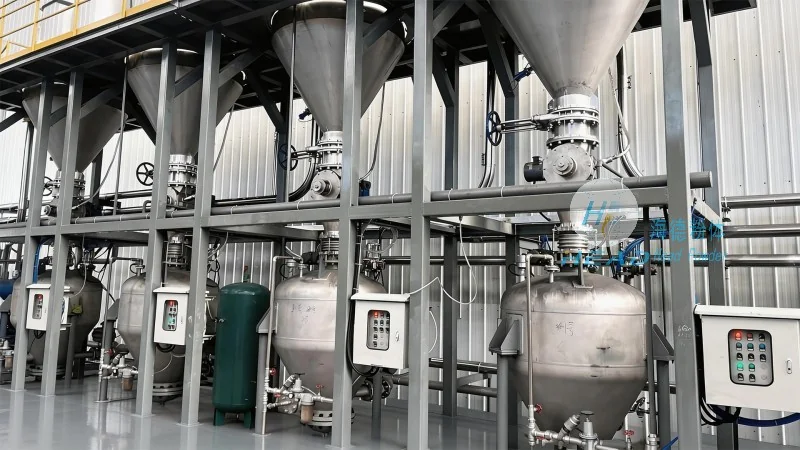
One of the primary advantages of positive pressure conveying is its ability to handle long distances and high material loads. The continuous pressure ensures that the material remains in suspension, reducing the risk of blockages and ensuring consistent flow rates. Additionally, this method is well-suited for applications where the material needs to be discharged into a specific location, such as a storage silo or a processing unit.
However, positive pressure systems require robust sealing and filtration to prevent dust leakage and maintain air quality. The equipment used, including blowers and high-pressure pipelines, can be more expensive to install and maintain compared to negative pressure systems. Furthermore, the system's complexity increases with the length and complexity of the conveying line, potentially leading to higher operational costs.
Negative Pressure Conveying: Operational Principles and Advantages
Negative pressure conveying, or vacuum pneumatic conveying, operates by creating a vacuum in the system to draw the material from the source into the pipeline. The material is then transported to the discharge point under the influence of the vacuum. This method is particularly effective for short to medium distances and for materials that are sensitive to pressure changes or high velocities.
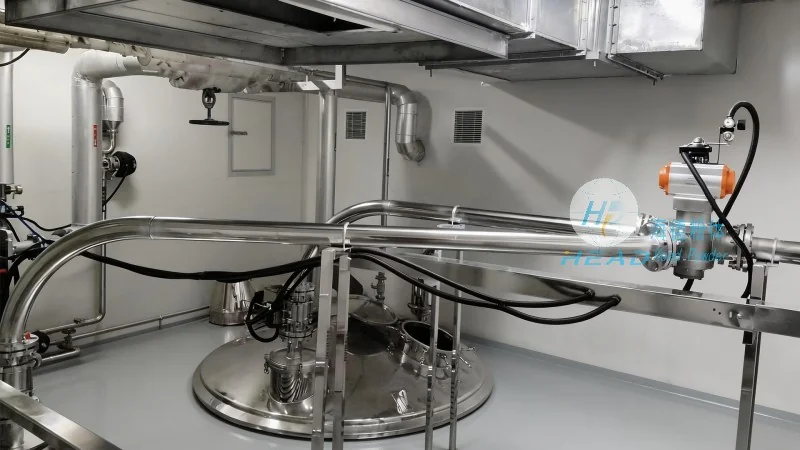
A key benefit of negative pressure conveying is its lower operational cost, as it often requires less powerful equipment compared to positive pressure systems. The vacuum system can be simpler and more cost-effective, especially for shorter conveying distances. Additionally, the method is less likely to cause material degradation due to lower air velocities, making it suitable for delicate or heat-sensitive polyethylene powders.
Nevertheless, negative pressure conveying has limitations, particularly for long-distance or high-volume applications. The vacuum system may struggle to maintain consistent flow rates over extended distances, potentially leading to uneven material delivery. Moreover, the system is more susceptible to blockages and clogs, as the material is drawn into the pipeline under suction, which can be problematic if the material contains moisture or agglomerates.
Comparative Analysis: Positive vs. Negative Pressure Conveying
When evaluating the two pneumatic conveying methods for polyethylene powder, several factors must be considered to determine the most suitable option. Positive pressure conveying excels in scenarios requiring long-distance transport, high material throughput, and precise discharge control. It is ideal for industrial settings where large quantities of polyethylene powder need to be moved efficiently and reliably.
On the other hand, negative pressure conveying is better suited for applications involving shorter distances, lower material volumes, or materials that are sensitive to pressure and velocity. It is often preferred in environments where dust control and cost-effectiveness are paramount, such as in small-scale processing facilities or for handling delicate powders.
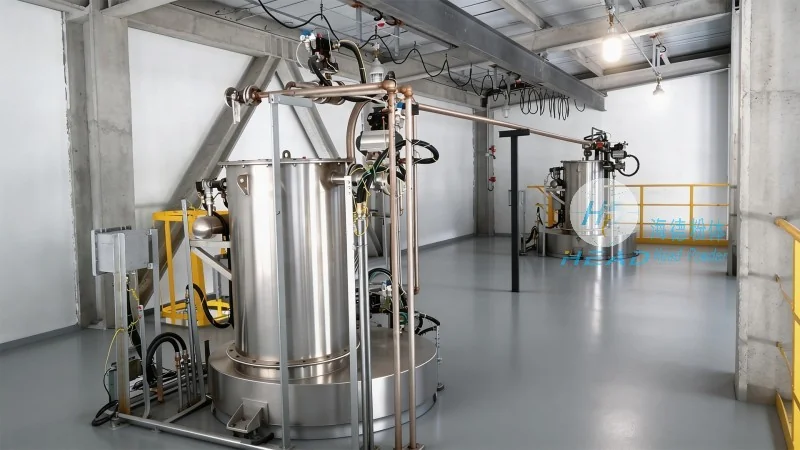
Cost is another critical factor. Positive pressure systems generally have higher upfront and maintenance costs due to the need for powerful blowers and robust pipelines. Negative pressure systems, while cheaper initially, may incur higher operational costs due to the need for more frequent maintenance and potential downtime caused by blockages.
Environmental considerations also play a role. Positive pressure systems require effective filtration to prevent dust emissions, which can impact air quality and compliance with regulations. Negative pressure systems, by drawing material into the pipeline, may reduce external dust emissions but can create internal air quality challenges if not properly ventilated.
Conclusion: Choosing the Right Conveying Method for Polyethylene Powder
Ultimately, the choice between positive and negative pressure conveying for polyethylene powder depends on a combination of operational requirements, material characteristics, and cost considerations. HeadPowder Engineering Co., Ltd. offers expert consultation and customized solutions to help clients select the most appropriate pneumatic conveying system. By understanding the strengths and limitations of each method, industry professionals can optimize their material handling processes, enhance efficiency, and ensure compliance with industry standards.




