When it comes to transporting refractory materials, the choice between positive pressure and negative pressure pneumatic conveying systems is a critical decision for industrial operations. These methods represent two distinct approaches to handling bulk materials like refractory powders and granules, each with its own set of advantages, limitations, and optimal applications. This article provides a detailed comparison of positive pressure and negative pressure conveying systems, focusing on their operational principles, performance characteristics, and suitability for refractory material handling.
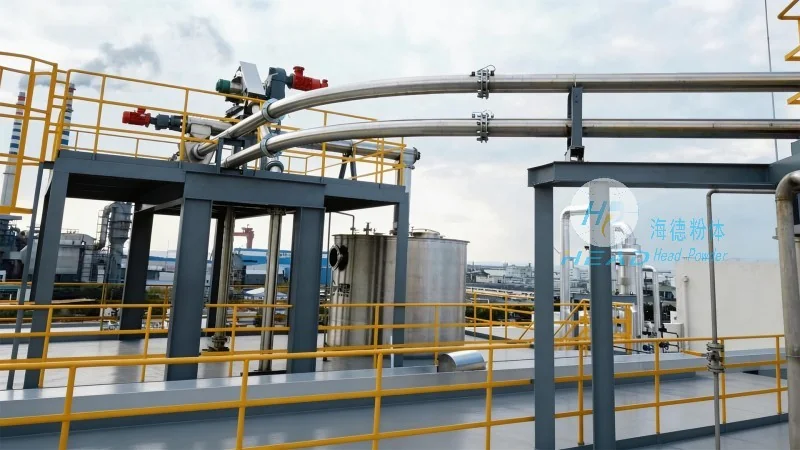
Understanding Pneumatic Conveying Basics
Pneumatic conveying systems use air or other gases to transport bulk materials through a pipeline. The primary goal is to move materials from a source to a destination efficiently, safely, and with minimal product degradation. The two main categories are positive pressure and negative pressure systems, which differ in how they generate the necessary pressure differential to move material.
Positive Pressure Conveying Systems
Positive pressure conveying operates by blowing air or gas into the conveying line, creating a pressure higher than the ambient air pressure. This method pushes the material forward through the pipeline. The system typically includes a blower or compressor at the inlet, which supplies the pressurized air. As the material is fed into the line, it is entrained by the air and carried to the discharge point. Positive pressure systems are generally more suitable for longer conveying distances and can handle a wider range of materials, including those that are abrasive or have higher moisture content. They are also effective for conveying materials that are sensitive to negative pressure, such as those that may generate dust or require a controlled environment.
In the context of refractory materials, positive pressure systems are often preferred for applications where the material needs to be transported over significant distances or through complex piping networks. For example, in a refractory manufacturing plant, a positive pressure system might be used to move raw refractory powders from a storage silo to a mixing or processing unit located several hundred meters away. The high pressure ensures that the material is moved consistently without clogging or degradation. Additionally, positive pressure systems can handle materials with higher bulk densities, making them ideal for transporting refractory granules or pellets that are denser than powders.
Negative Pressure Conveying Systems
Negative pressure conveying, also known as vacuum or suction conveying, works by creating a vacuum in the conveying line, which draws material from the source into the system. The system uses a vacuum pump at the discharge end to pull air and material through the pipeline. The material is drawn into the line by the pressure difference between the inlet (atmospheric pressure) and the discharge (lower pressure). Negative pressure systems are generally more suitable for shorter conveying distances and for materials that are less abrasive or have lower bulk density. They are also advantageous for applications where the material needs to be collected from multiple points or where the discharge point is at a lower elevation than the source.
For refractory materials, negative pressure systems are commonly used in scenarios where the material is being collected from a hopper or a storage bin and transported to a processing unit within a short distance, typically less than 50 meters. The vacuum system ensures that the material is drawn efficiently without the need for high-pressure air, reducing energy consumption and equipment wear. Additionally, negative pressure conveying is effective for handling materials that are fine powders, as the vacuum helps to prevent dust dispersion and maintain a clean working environment. However, negative pressure systems may not be suitable for materials that are highly abrasive or have high moisture content, as the vacuum pump and pipeline can be susceptible to wear and clogging.
Key Performance Characteristics and Comparisons
When comparing positive and negative pressure conveying systems for refractory materials, several key performance characteristics come into play. These include conveying distance, material characteristics, energy consumption, equipment complexity, and operational safety.
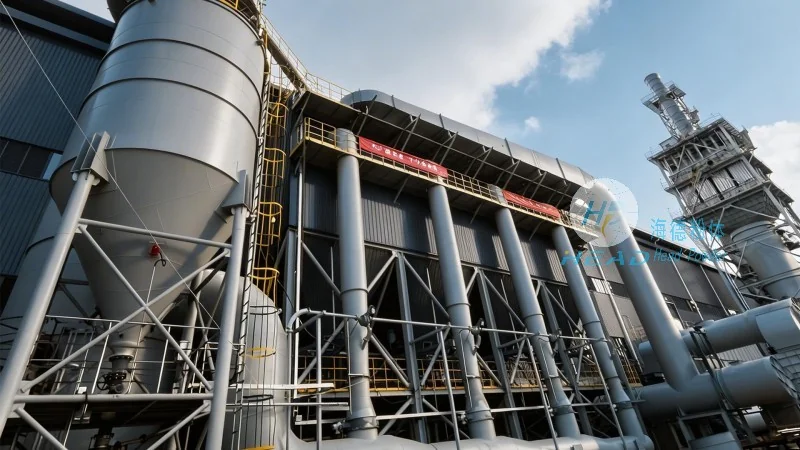
Conveying distance is a significant factor. Positive pressure systems are generally more effective for longer distances, as the high pressure can maintain material flow over extended lengths without significant pressure drop. Negative pressure systems, on the other hand, are limited by the ability of the vacuum pump to maintain sufficient suction, and they are typically used for shorter distances. For example, a positive pressure system might be used to transport refractory powders over 200 meters, while a negative pressure system would be more appropriate for a 30-meter distance.
Material characteristics also influence the choice of system. Positive pressure systems are better suited for abrasive or high-density materials, as the high pressure helps to prevent clogging and maintain consistent flow. Negative pressure systems are more suitable for fine powders and materials with lower bulk density, as the vacuum helps to handle these materials without excessive wear on the equipment. Refractory materials, which can vary in particle size and density, may require careful consideration of these factors. For instance, a refractory powder with a high proportion of fine particles might perform better in a negative pressure system to avoid dust generation and clogging.
Energy consumption is another critical consideration. Positive pressure systems typically consume more energy due to the need for a blower or compressor to generate high pressure. The energy cost can be a significant factor in long-term operation, especially for large-scale refractory manufacturing plants. Negative pressure systems, while using a vacuum pump, generally consume less energy than positive pressure systems, as the suction is typically lower than the pressure required for positive conveying. This can result in lower operational costs over time, particularly for shorter conveying distances.
Equipment complexity and cost are also important factors. Positive pressure systems often require more robust equipment, such as high-pressure blowers and durable pipelines, to withstand the pressure and abrasive materials. This can increase the initial investment and maintenance costs. Negative pressure systems, while simpler in design, may require more frequent maintenance of the vacuum pump and filtration systems to prevent dust accumulation and equipment failure. The choice between the two systems often depends on the specific operational requirements and budget constraints of the refractory plant.
Operational safety is a final consideration. Positive pressure systems are generally considered safer for handling hazardous or toxic materials, as the pressurized air prevents the material from escaping into the environment. However, they can pose a risk of explosion if the system is not properly designed or maintained, especially with flammable materials. Negative pressure systems, while effective for dust control, can create a risk of dust inhalation if the system is not properly sealed or if the vacuum pump is not equipped with adequate filtration. For refractory materials, which are typically non-toxic but can be abrasive, the safety considerations are primarily related to equipment wear and material handling.
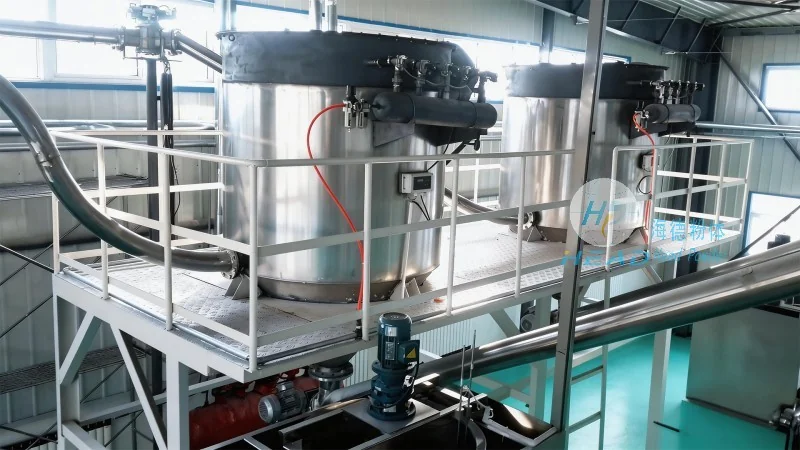
Application Examples in Refractory Manufacturing
Understanding the operational differences between positive and negative pressure conveying systems helps in selecting the appropriate method for specific applications in refractory manufacturing. Here are some typical applications where each system is commonly used:
Positive pressure conveying is often used in the initial stages of refractory material processing, such as transporting raw refractory powders from storage silos to mixing or grinding units. For example, in a refractory brick manufacturing plant, a positive pressure system might be used to move high-purity refractory powders from a large storage silo to a ball mill for grinding. The system ensures that the material is moved efficiently over a long distance without clogging the pipeline, which is crucial for maintaining production throughput. Additionally, positive pressure systems are used in the transportation of refractory granules or pellets from a drying or cooling unit to a storage silo, where the high pressure helps to prevent material degradation and maintain product quality.
Negative pressure conveying is commonly used in the final stages of refractory material processing, such as transporting finished refractory powders or granules from a processing unit to a packaging or storage area. For instance, in a refractory coating plant, a negative pressure system might be used to collect finished refractory powders from a mixing tank and transport them to a packaging machine located within a short distance. The vacuum system helps to maintain a clean environment and prevent dust dispersion, which is important for product quality and worker safety. Additionally, negative pressure conveying is used in the collection of refractory dust from a grinding or mixing process, where the system draws the dust from a hopper or bin and transports it to a dust collection or storage unit.
Conclusion and Recommendations
Choosing between positive pressure and negative pressure pneumatic conveying systems for refractory materials requires a careful evaluation of operational requirements, material characteristics, and cost considerations. Positive pressure systems offer advantages in longer conveying distances, handling of abrasive or high-density materials, and consistent material flow. Negative pressure systems, on the other hand, are more suitable for shorter distances, fine powders, and applications where energy efficiency and dust control are priorities.
For refractory manufacturing plants, the optimal choice depends on the specific application and the characteristics of the materials being handled. In many cases, a combination of both systems may be used in a plant, with positive pressure for long-distance transport and negative pressure for short-distance or collection tasks. The key is to select a system that maximizes efficiency, minimizes operational costs, and ensures product quality and safety.
As a leading provider of engineering solutions for refractory material handling, Shandong HeadPowder Engineering Co., Ltd. specializes in designing and implementing both positive and negative pressure conveying systems tailored to the unique needs of refractory manufacturers. With years of experience in the industry, the company offers expert consultation, custom system design, and comprehensive support to help clients optimize their material handling processes. Whether you need a positive pressure system for long-distance transport or a negative pressure system for dust collection, HeadPowder Engineering provides the expertise and equipment to ensure efficient and reliable operation.




