

Operation Process and Working Principle of a Dry Soybean Material Pneumatic Conveying Line
HeadPowder, a professional engineering firm based in Shandong, China, specializes in the design, manufacturing, and installation of pneumatic conveying systems. With a strong focus on industrial material handling solutions, the company has established itself as a reliable partner for clients seeking efficient and reliable equipment for transporting bulk materials like dry soybeans.
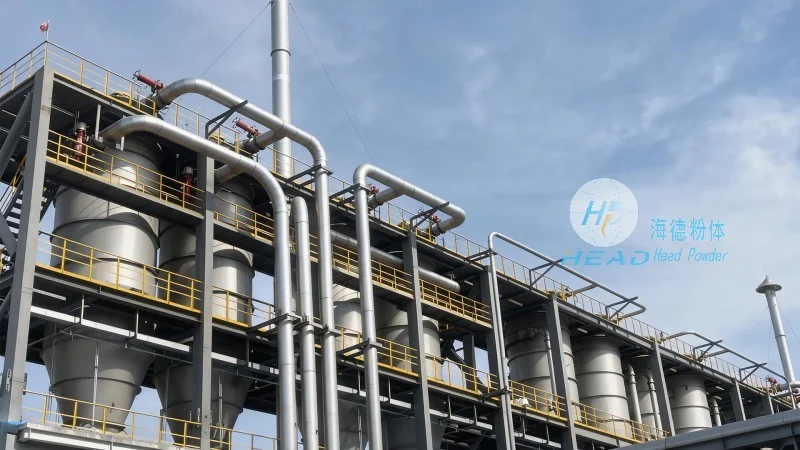
Pneumatic Conveying Line for Dry Soybean Material
Our pneumatic conveying line is specifically engineered to handle dry soybean material, offering a seamless and efficient method for transporting bulk materials from one location to another. The system utilizes air as the primary medium to move the material through a network of pipes and components, ensuring minimal product degradation and optimal performance.
Operation Process of the Pneumatic Conveying Line
The operation of the dry soybean material pneumatic conveying line begins with the material being loaded into a hopper or feeder. From there, the material is fed into the conveying system, where it is mixed with air under controlled pressure. The air, acting as a carrier, transports the soybeans through the pipeline to the destination point, such as a storage silo or processing unit. The system is equipped with various components, including a blower or compressor, to generate the necessary air pressure, and a control system to regulate the flow and pressure of the air and material mixture.
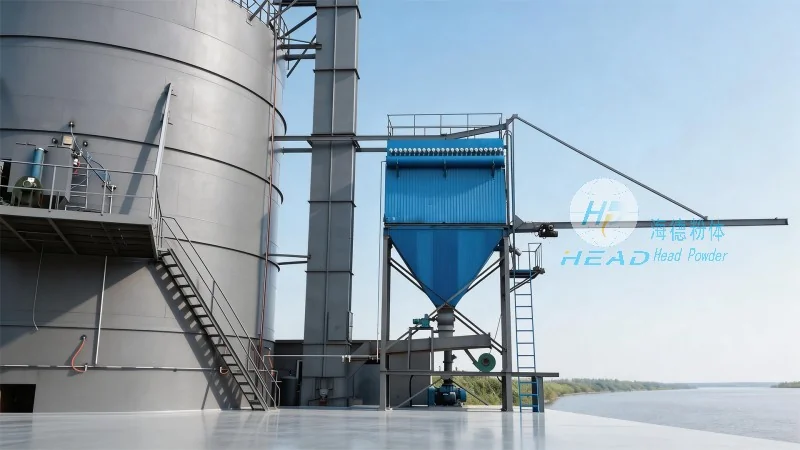
Working Principle of the Pneumatic Conveying System
The core principle of the pneumatic conveying line is the use of air to create a flow of material. The system operates by creating a pressure differential between the inlet and outlet of the pipeline. As air is introduced into the system, it creates a low-pressure zone at the inlet, which draws the soybean material into the pipeline. The air then carries the material along the pipeline, maintaining a consistent flow rate. The system may use different types of conveying, such as dilute-phase or dense-phase, depending on the specific requirements of the application. Dilute-phase conveying involves a higher air-to-material ratio, while dense-phase conveying uses a lower ratio, allowing for more controlled and gentle material handling.
Key Components and Their Functions
The pneumatic conveying line for dry soybeans consists of several key components, each playing a crucial role in the overall operation. These include the hopper or feeder, which stores and feeds the material; the blower or compressor, which provides the necessary air pressure; the pipeline system, which transports the material; and the control system, which regulates the flow and pressure. Additionally, the system may include filters, cyclones, and separators to remove any air or material particles that may have escaped the pipeline, ensuring a clean and efficient operation.
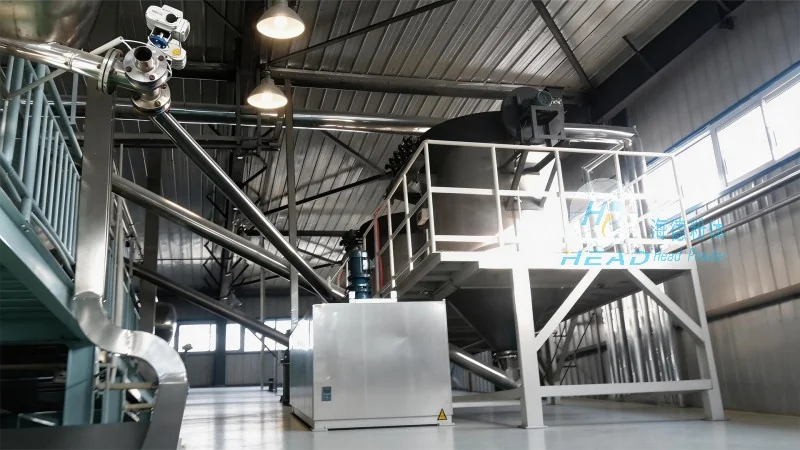
Advantages of the Pneumatic Conveying Line
Utilizing a pneumatic conveying line for dry soybean material offers several advantages over traditional methods. These include reduced labor costs, as the system can operate automatically with minimal human intervention; improved product quality, as the material is handled gently and with minimal contact, reducing the risk of damage or contamination; and increased efficiency, as the system can transport large quantities of material over long distances with minimal downtime. Furthermore, the system is highly flexible, allowing for easy integration with existing processing equipment and the ability to adjust the flow rate and pressure as needed.
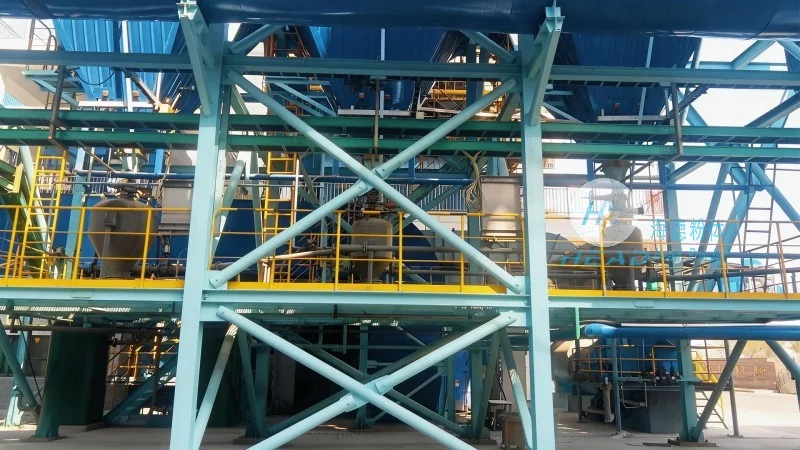
Application and Customization
Our pneumatic conveying line is designed to meet the specific needs of various applications, including soybean storage, processing, and transportation. The system can be customized to accommodate different material types, flow rates, and distances, ensuring optimal performance for each individual project. HeadPowder works closely with clients to understand their specific requirements and develop a tailored solution that meets their needs and budget.
Conclusion
The dry soybean material pneumatic conveying line from HeadPowder is a reliable and efficient solution for transporting bulk materials. With its advanced design and components, the system offers a seamless operation process and a clear working principle, ensuring optimal performance and minimal product degradation. As a leading engineering firm in Shandong, China, HeadPowder continues to provide high-quality equipment and services to clients worldwide, helping them achieve their material handling goals with confidence.