

What is a Pneumatic Powder Transport Equipment? Introduction to the Structure and Principle of Powde
Understanding the mechanics and design of pneumatic powder transport equipment is crucial for industries dealing with bulk material handling. This equipment, often referred to as pneumatic conveyors, plays a vital role in efficiently moving dry powders and granules from one location to another. In this article, we will explore the fundamental structure and operational principles of such systems, shedding light on how they function and why they are widely adopted in various sectors.
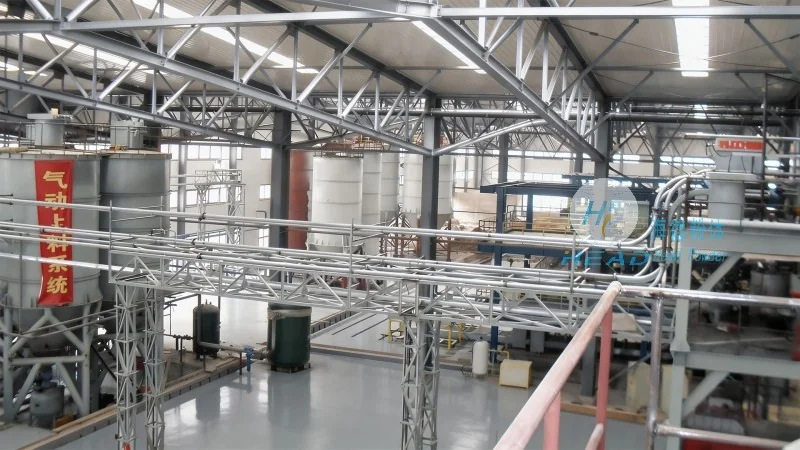
Overview of Pneumatic Powder Transport Systems
Pneumatic powder transport equipment operates by using compressed air or other gases to transport bulk materials through a pipeline. The core components of these systems typically include a hopper for material storage, a feeder to control the flow rate, a compressor to generate the necessary air pressure, and a pipeline network that carries the material. The system can be either positive pressure, where air pushes the material forward, or negative pressure, where air is drawn through the system, creating a vacuum that pulls the material along.
Key Structural Components and Their Functions
The effectiveness of a pneumatic powder transport system relies heavily on its well-designed components. Each part plays a specific role in ensuring smooth and efficient material transfer:
1. Hopper: The hopper is the initial storage container where bulk powders are loaded. It is designed to maintain a consistent material level and provide a controlled feed to the feeder. The shape and size of the hopper can affect the flow characteristics of the material, preventing issues like bridging or clogging.
2. Feeder: The feeder is responsible for regulating the flow rate of the material into the pipeline. Common types include rotary valves, screw feeders, and vibratory feeders. The feeder ensures that the material is introduced at a steady rate, preventing overloading the system and maintaining consistent pressure and flow within the pipeline.
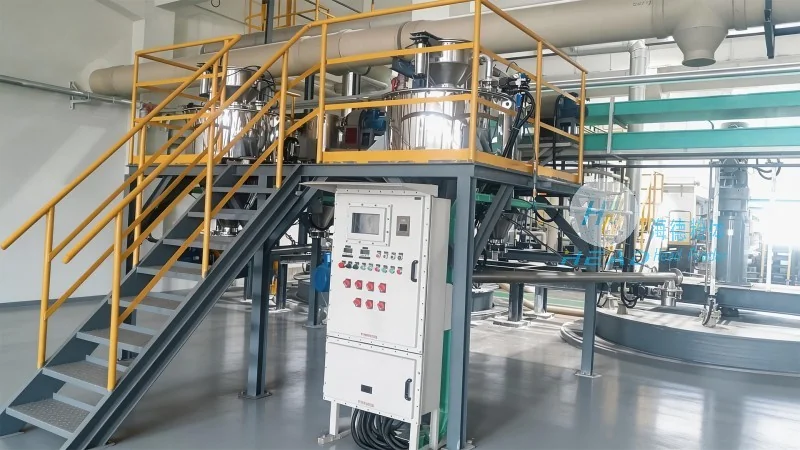
3. Compressor and Air Treatment: The compressor generates the high-pressure air required to move the material. Compressors can be of various types, such as rotary screw or reciprocating, and are often paired with air treatment equipment like filters and dryers to remove contaminants and moisture, which can affect the material's properties and the system's performance.
4. Pipeline and Conveying Tubes: The pipeline is the main pathway for transporting the material. It is typically made of materials like stainless steel, plastic, or metal, depending on the material being conveyed and the operating conditions. The diameter and length of the pipeline are critical factors that influence the system's efficiency and pressure drop. Special fittings, such as bends, elbows, and expansion joints, are used to direct the flow and accommodate changes in direction or elevation.
5. Receiver and Discharge: The receiver is the final storage container where the material is deposited after being transported through the pipeline. It is designed to handle the material's discharge and may include features like a discharge valve or a dust collection system to prevent material loss and maintain cleanliness.
Operational Principles and How It Works
The operation of a pneumatic powder transport system involves several key steps. First, the material is loaded into the hopper. The feeder then controls the flow rate, feeding the material into the pipeline. The compressor generates compressed air, which is introduced into the pipeline, either pushing the material forward (positive pressure) or creating a vacuum that pulls the material (negative pressure). The air and material mixture travels through the pipeline, with the air providing the necessary force to move the material. At the end of the pipeline, the material is separated from the air, typically through a cyclone separator or a filter, and collected in the receiver.
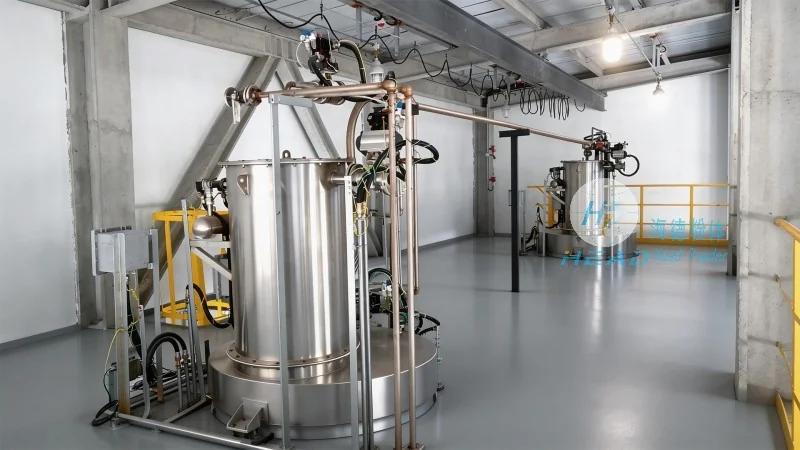
Applications and Benefits of Pneumatic Powder Transport
Pneumatic powder transport equipment is widely used across various industries due to its versatility and efficiency. Some common applications include:
1. Food and Pharmaceutical Industries: These sectors require hygienic and clean material handling systems. Pneumatic conveyors can be designed with stainless steel components and are easy to clean, making them suitable for transporting powders like flour, sugar, and pharmaceuticals.
2. Chemical and Petrochemical Industries: The equipment can handle a wide range of chemicals, from fine powders to granules, with minimal risk of contamination or material degradation. It is also suitable for transporting materials that are sensitive to moisture or air exposure.
3. Mining and Minerals Processing: In mining operations, pneumatic conveyors are used to transport raw materials from mines to processing plants. They can handle large volumes of bulk materials efficiently and are often preferred over traditional belt conveyors due to their flexibility and ability to navigate complex layouts.
4. Cement and Construction Materials: The equipment is commonly used in the cement industry to transport raw materials like limestone and clinker. It can also be used to transport construction materials such as sand and gravel, providing a cost-effective and efficient solution for material transport.
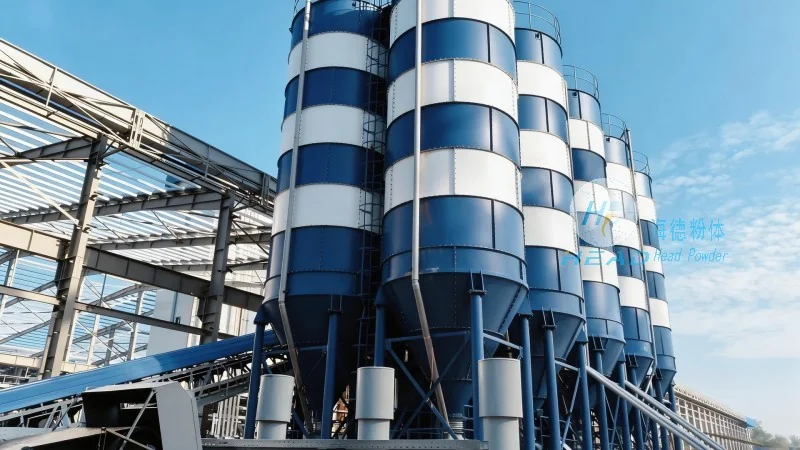
The benefits of using pneumatic powder transport systems include high efficiency, low maintenance, and the ability to handle a wide variety of materials. These systems can operate continuously with minimal downtime, reducing labor costs and improving overall productivity. Additionally, they can be easily integrated into existing production lines and can be customized to meet specific operational requirements.
Company Information: Shandong HeadPowder Engineering Co., Ltd.
For those seeking reliable and high-quality pneumatic powder transport equipment, Shandong HeadPowder Engineering Co., Ltd. is a leading manufacturer in the industry. Based in Shandong, China, the company specializes in designing, manufacturing, and supplying a wide range of pneumatic conveying systems tailored to meet the diverse needs of various industries. With years of experience and a commitment to innovation, HeadPowder provides solutions that enhance material handling efficiency and ensure operational reliability.
The company's products are known for their durability, efficiency, and adherence to industry standards. They offer customized solutions, ensuring that each system is designed to meet the specific requirements of the client, whether it's for small-scale operations or large industrial applications. HeadPowder's team of experts works closely with clients to understand their needs and provide tailored solutions that optimize material transport processes.
With a strong focus on quality and customer satisfaction, Shandong HeadPowder Engineering Co., Ltd. has established itself as a trusted partner in the material handling industry. Their products are widely used in various sectors, contributing to improved operational efficiency and reduced costs for their clients. By leveraging advanced technology and rigorous quality control, the company ensures that its pneumatic powder transport equipment delivers consistent performance and long-term reliability.