Pneumatic conveying equipment, also known as powder conveying systems, is a critical technology for handling and transporting bulk powders. This article provides a comprehensive overview of what pneumatic conveying equipment is, its fundamental structure, and the operational principles that enable efficient powder transport. The discussion focuses on the typical components, the mechanisms of air-powder interaction, and practical applications in industries dealing with fine powders, such as the processing of sesame and similar materials.
Key Components of Pneumatic Conveying Systems
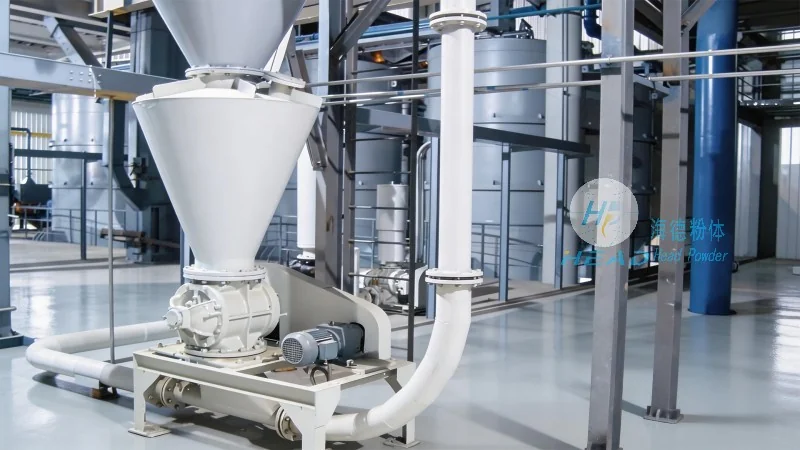
At the core of any pneumatic conveying system are several essential components that work in tandem to ensure smooth and reliable powder transport. The primary components include the hopper or feeder, which serves as the storage and feeding unit for the bulk material. This component is designed to maintain a consistent flow of powder into the system, preventing blockages and ensuring uniform material introduction. The feeder may be equipped with a rotary valve or a gate valve to control the discharge rate, allowing for precise regulation of the material flow rate.
Next, the air supply system is critical. This typically consists of a blower or a compressor that generates the necessary airflow to move the powder particles. The air is often filtered and conditioned to remove contaminants and maintain a stable pressure and flow rate. The choice of blower type—such as positive displacement blowers or centrifugal fans—depends on the specific application, including the material characteristics and the required conveying distance and pressure.
The conveying line itself is another vital component. It is usually made of metal or plastic pipes, with diameters tailored to the material and system requirements. The line may include bends, elbows, or straight sections, and is often equipped with pressure relief valves or filters to prevent overpressure and maintain system integrity. For long-distance or high-pressure applications, additional components like expansion joints or pulse-jet filters may be incorporated to manage pressure fluctuations and maintain air quality.
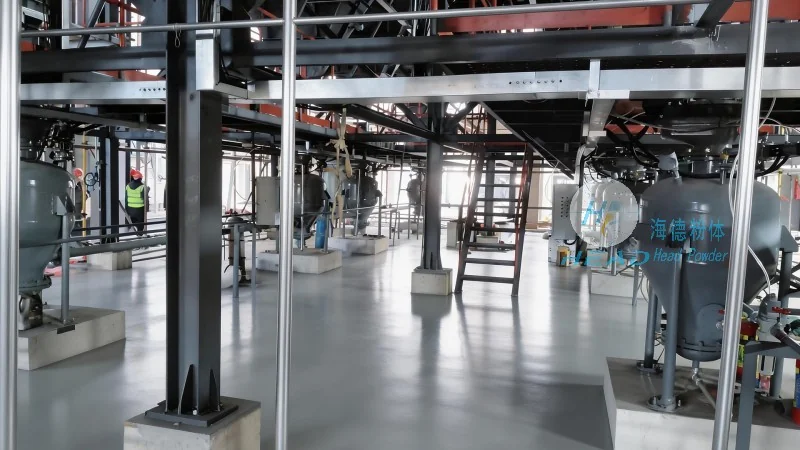
At the receiving end, the system includes a receiver or a silo where the conveyed powder is deposited. This component is designed to collect the material and may include a discharge valve or a hopper to facilitate downstream processing. Some systems also incorporate a dust collection or filtration system to capture any fine particles that may escape during the conveying process, ensuring environmental compliance and product purity.
Working Principle of Pneumatic Conveying
The fundamental principle behind pneumatic conveying is the use of air to suspend and transport powder particles through a pipeline. This process can be categorized into two main types: dilute-phase and dense-phase conveying, each with distinct characteristics and applications.
In dilute-phase conveying, the powder is suspended in a high-velocity air stream, creating a mixture of air and particles. The air velocity is typically high enough to keep the particles airborne, and the system operates at relatively low pressure. This method is suitable for short to medium conveying distances and for materials that are not sensitive to high pressure or shear forces. The key to efficient dilute-phase conveying is maintaining a sufficient air velocity to prevent particle settling and ensure uniform transport.
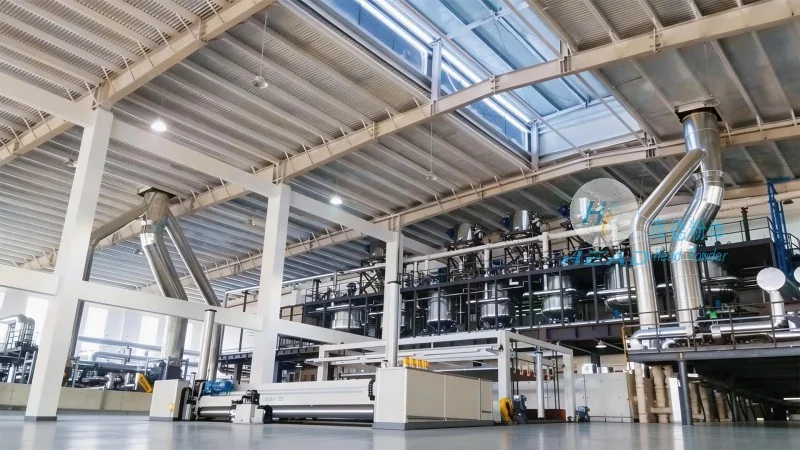
Conversely, dense-phase conveying involves transporting the powder in a more concentrated form, where the particles are less suspended and more densely packed within the air stream. This method operates at higher pressures and lower air velocities, which helps to minimize particle degradation and is ideal for materials that are prone to agglomeration or are sensitive to high shear. The system often uses a pulse-jet or a venturi system to create the necessary pressure and flow conditions, ensuring that the powder moves in a controlled manner without excessive turbulence.
The operation of a pneumatic conveying system begins with the material being fed from the hopper into the conveying line. The air from the blower is introduced at the inlet, creating a pressure differential that draws the powder particles into the air stream. As the mixture travels through the pipeline, the air velocity and pressure maintain the particles in suspension. At the receiving end, the air is separated from the powder, often through a cyclone or a filter, and the powder is collected in the receiver. The air, now clean, is either recirculated back to the blower or released to the atmosphere, depending on the system design and environmental regulations.
Application in Sesame Processing and Other Powder Handling
Pneumatic conveying equipment is widely used in the food processing industry, particularly in the handling of sesame and other similar fine powders. Sesame, being a small, dense seed, requires careful handling to prevent breakage and maintain product quality. The use of pneumatic conveying systems allows for the efficient and hygienic transport of sesame from storage silos to processing lines, such as grinding or roasting equipment. The system's ability to handle fine powders without the need for mechanical contact reduces the risk of contamination and ensures that the product remains in its original state.
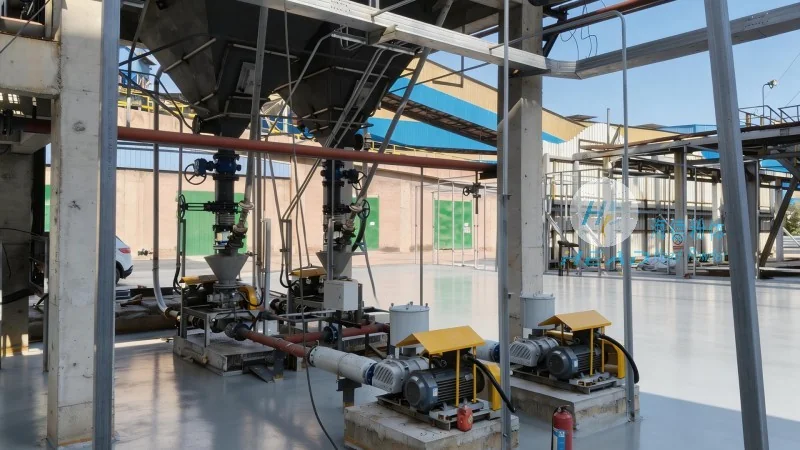
For companies like Shandong HeadPowder Engineering Co., Ltd., which specializes in powder handling solutions, the design of pneumatic conveying systems is tailored to meet the specific needs of the food industry. The systems are constructed from materials that are food-grade and easy to clean, ensuring compliance with regulatory standards. The control systems are often equipped with sensors and automation features to monitor flow rates, pressure, and temperature, providing real-time data and allowing for adjustments to optimize performance.
The benefits of using pneumatic conveying for sesame and other powders include increased efficiency, reduced labor costs, and improved product quality. By eliminating the need for manual handling and mechanical conveyors, the system minimizes the risk of product damage and contamination. Additionally, the compact design of pneumatic conveying systems allows for better space utilization in processing facilities, making them suitable for both small-scale and large-scale operations.
Conclusion: The Role of Pneumatic Conveying in Modern Powder Handling
In conclusion, pneumatic conveying equipment plays a vital role in the efficient and reliable transport of bulk powders, including sesame and other fine materials. The understanding of its structure and working principles is essential for selecting the appropriate system for specific applications. Companies like Shandong HeadPowder Engineering Co., Ltd. leverage this technology to provide customized solutions that meet the unique requirements of the food processing industry, ensuring product quality, operational efficiency, and compliance with industry standards.




