

What is a Carboxymethyl Cellulose Powder Conveying Line? And What Are Its Design Principles?
Carboxymethyl cellulose (CMC) is a widely used anionic polyelectrolyte derived from cellulose, commonly employed in various industries such as food, pharmaceuticals, and construction due to its excellent thickening, stabilizing, and emulsifying properties. The efficient handling and transportation of CMC powder are critical for industrial processes, and this is where specialized conveying lines come into play. This article explores the concept of a carboxymethyl cellulose powder conveying line, detailing its design principles and the key factors that ensure optimal performance.
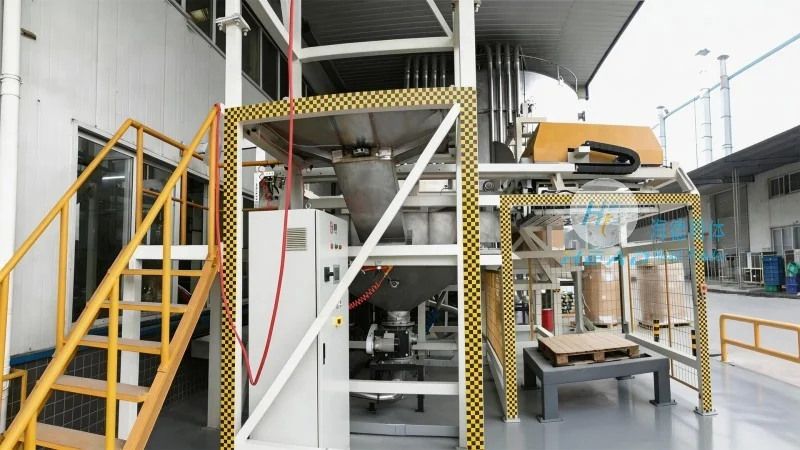
Key Components of a Carboxymethyl Cellulose Powder Conveying Line
A carboxymethyl cellulose powder conveying line is a system engineered to transport CMC powder from storage silos or bulk containers to processing units or packaging areas. The design of such a line involves several critical components that work in tandem to ensure reliable and efficient operation. These components typically include:
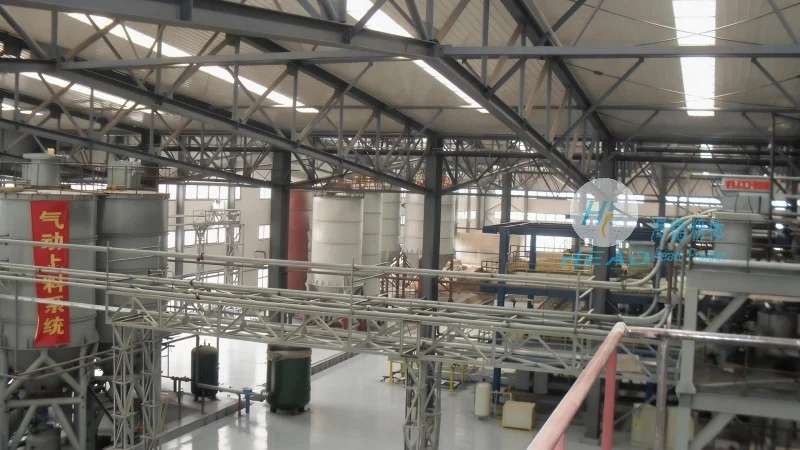
- Storage Silos or Hoppers: These are used to store the bulk CMC powder. The design of the silo or hopper is crucial to prevent caking, agglomeration, or bridging, which can impede material flow. Proper aeration and material conditioning systems are often integrated to maintain the powder's flowability.
- Pneumatic Conveying Systems: For many applications, especially when dealing with fine powders like CMC, pneumatic conveying is preferred. This method uses air or gas to transport the powder through a pipeline. The system may include components like rotary air locks, pulse jet filters, and pressure vessels to manage the flow and ensure dust-free operation.
- Rotary Valves and Feeders: These devices control the flow rate of the powder from the storage hopper to the conveying line. They are designed to handle fine powders without clogging, ensuring a consistent and controlled feed. The selection of the right type of feeder (e.g., screw feeders, vibratory feeders) depends on the specific characteristics of the CMC powder, such as particle size and moisture content.
- Pipeline and Fittings: The conveying pipeline is typically made of materials resistant to the chemical properties of CMC, such as stainless steel or food-grade plastics. The design of the pipeline, including bends, elbows, and straight sections, is optimized to minimize pressure drop and prevent powder deposition or blockages.
- Control Systems: Modern conveying lines are equipped with advanced control systems that monitor and regulate the flow rate, pressure, and temperature. These systems help maintain the stability of the powder and prevent system failures, ensuring continuous and safe operation.
Design Principles for Optimal Performance
The design of a carboxymethyl cellulose powder conveying line is based on several key principles aimed at maximizing efficiency, reliability, and safety. These principles include:
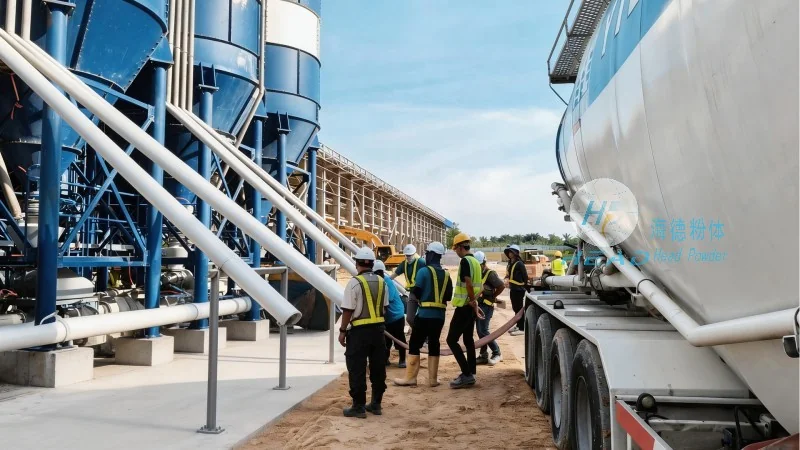
- Material Flow Analysis: Before designing the conveying line, a thorough analysis of the CMC powder's physical properties is conducted. This includes assessing particle size distribution, moisture content, bulk density, and flowability. The results of this analysis guide the selection of equipment and the layout of the system to ensure smooth material transfer.
- Pressure Drop Management: Minimizing pressure drop is essential to reduce energy consumption and prevent system overload. The design considers factors such as pipeline diameter, length, and the number of bends, using appropriate calculations to optimize the system's performance.
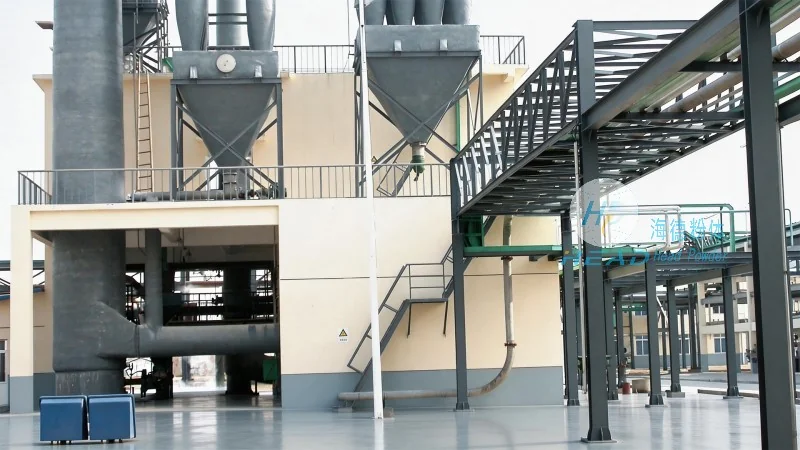
- Dust Control and Environmental Safety: CMC powder is fine and can create dust, which poses health and safety risks. The conveying line is designed with dust collection systems, such as cyclones or bag filters, to capture and contain airborne particles. Additionally, proper ventilation and enclosure of the system are implemented to maintain a clean and safe working environment.
- Integration with Processing Equipment: The conveying line is designed to seamlessly integrate with downstream processing units, such as mixers, reactors, or packaging machines. This ensures a continuous flow of material and minimizes downtime between operations.
- Reliability and Maintenance: The design emphasizes the use of durable and low-maintenance components. Regular maintenance schedules are planned to ensure the longevity of the system and prevent unexpected breakdowns. The system is also designed to be easily accessible for maintenance and cleaning.
Applications and Benefits of Carboxymethyl Cellulose Powder Conveying Lines
Carboxymethyl cellulose powder conveying lines are widely used in various industries due to their ability to handle fine powders efficiently and reliably. Some of the key applications include:
- Food Industry: In the food sector, CMC is used as a thickener and stabilizer in products such as sauces, dressings, and bakery items. The conveying line ensures that the powder is transported to production lines without degradation or contamination.
- Pharmaceutical Industry: CMC is used in pharmaceutical formulations as a binder, disintegrant, or thickener. The conveying line provides a clean and controlled method of transporting the powder to manufacturing facilities, ensuring compliance with GMP (Good Manufacturing Practice) standards.
- Construction Industry: In construction, CMC is used as a water-retaining agent in concrete and mortar. The conveying line facilitates the transport of the powder to construction sites, improving the efficiency of material handling and reducing labor costs.
The benefits of using a specialized carboxymethyl cellulose powder conveying line include improved process efficiency, reduced material waste, enhanced safety, and compliance with industry regulations. By optimizing the design and operation of the system, manufacturers can achieve consistent quality and productivity in their production processes.
About Shandong HeadPowder Engineering Co., Ltd.
Shandong HeadPowder Engineering Co., Ltd., commonly known as HeadPowder, is a leading manufacturer and supplier of powder handling equipment and systems. With a strong focus on innovation and customer satisfaction, HeadPowder specializes in designing and manufacturing conveying lines for various industrial applications, including those involving carboxymethyl cellulose powder. The company's team of experienced engineers and technicians works closely with clients to understand their specific needs and develop customized solutions that meet their requirements. HeadPowder is committed to providing high-quality, reliable, and efficient powder handling systems that enhance the performance and safety of industrial processes. The company is based in Shandong, China, and serves clients worldwide with its advanced technology and professional service.