For industrial applications involving methylcellulose, an efficient and reliable powder conveying system is essential to ensure smooth production processes. This article explores the concept of a methylcellulose powder conveying line, delving into its design principles and operational considerations.
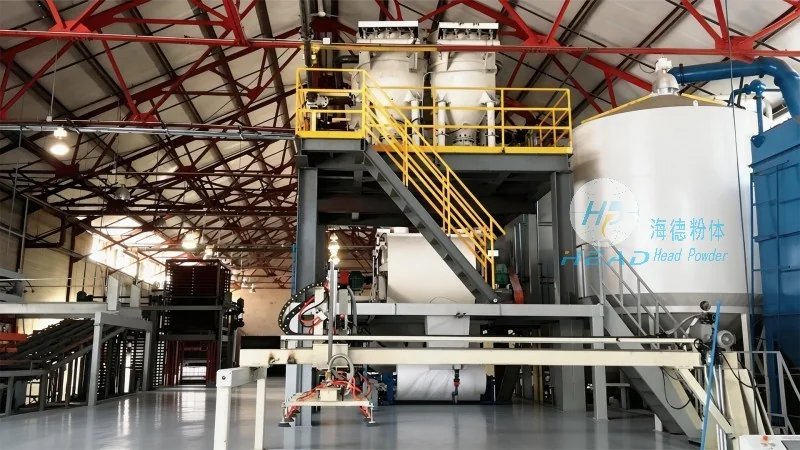
Understanding the Methylcellulose Powder Conveying Line
A methylcellulose powder conveying line is a specialized system engineered to transport methylcellulose powder from one location to another within a manufacturing facility. These lines are crucial for industries that rely on methylcellulose as a key ingredient, such as pharmaceuticals, food processing, and cosmetics. The primary goal of such a system is to maintain the integrity of the powder, prevent caking or agglomeration, and ensure consistent flow rates.
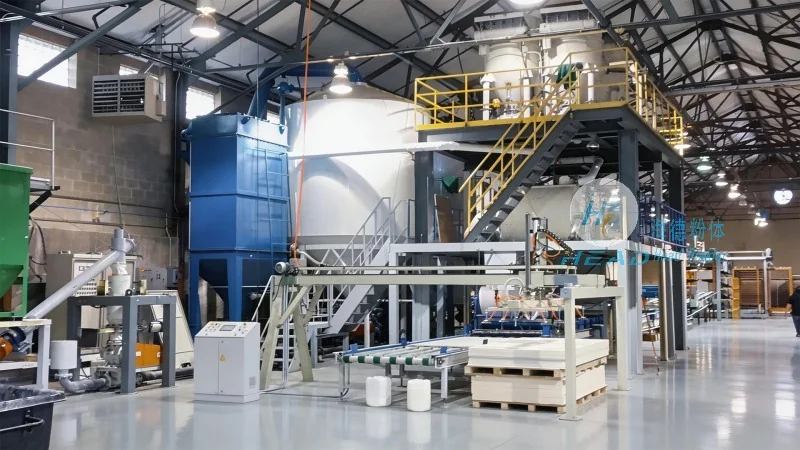
Key Design Principles of the Conveying Line
The design of a methylcellulose powder conveying line is based on several critical principles to optimize performance and minimize operational issues. First, the system must be constructed from materials that are compatible with methylcellulose, avoiding any potential chemical reactions or contamination. Common materials include stainless steel, which is non-corrosive and easy to clean. Second, the conveying line should incorporate features that prevent powder buildup and blockages, such as inclined chutes or vibratory feeders. This ensures that the powder moves smoothly through the system without stagnation. Third, the design must consider the flow characteristics of methylcellulose, which can vary depending on moisture content and particle size. Properly sized and positioned components, like hoppers and ducts, are essential to maintain a consistent flow rate and prevent pressure drops that could lead to clogging.
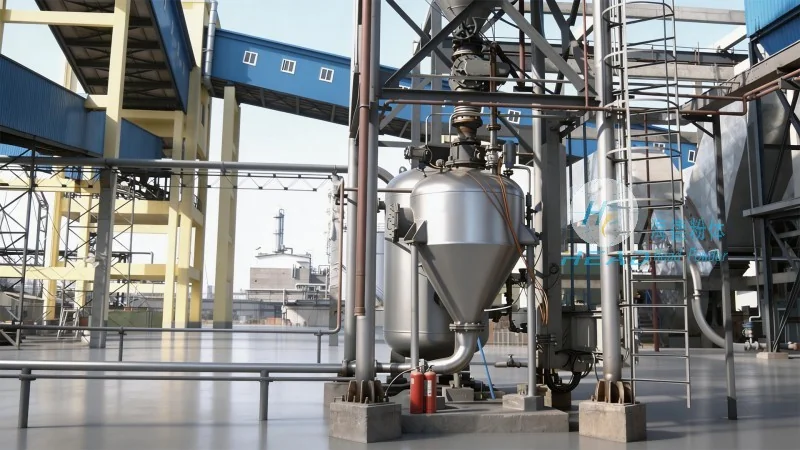
Components of a Typical Methylcellulose Powder Conveying Line
A standard methylcellulose powder conveying line typically consists of several key components that work in tandem to achieve efficient transport. The primary components include a hopper for storing the powder, a feeder to control the flow rate, a conveying mechanism (such as a pneumatic or mechanical conveyor), and a discharge point for the powder. The hopper is designed to hold a sufficient quantity of powder to maintain a steady supply to the feeder. The feeder, often a rotary or vibratory type, regulates the amount of powder released into the conveying system, preventing overfeeding that could cause blockages. The conveying mechanism may be pneumatic, using air to move the powder through ducts, or mechanical, using screws or belts to transport the material. The discharge point is where the powder is delivered to the next stage of the production process, such as a mixer or packaging unit. Each component is carefully selected and sized to ensure compatibility with methylcellulose and to maintain the quality of the powder throughout the conveying process.
Operational Considerations for Methylcellulose Powder Conveying
Operational considerations are vital to ensure the long-term efficiency and reliability of a methylcellulose powder conveying line. Regular maintenance is essential to prevent wear and tear on components, which can lead to increased friction and potential blockages. Cleaning the system after each batch is crucial to remove any residual powder that could cause caking or contamination in subsequent batches. Additionally, monitoring the flow rate and pressure within the system helps identify any issues early, allowing for timely adjustments or repairs. Proper training of operators on the system's operation and maintenance is also important to ensure that the equipment is used correctly and efficiently. By adhering to these operational guidelines, manufacturers can maximize the lifespan of their conveying line and maintain consistent product quality.
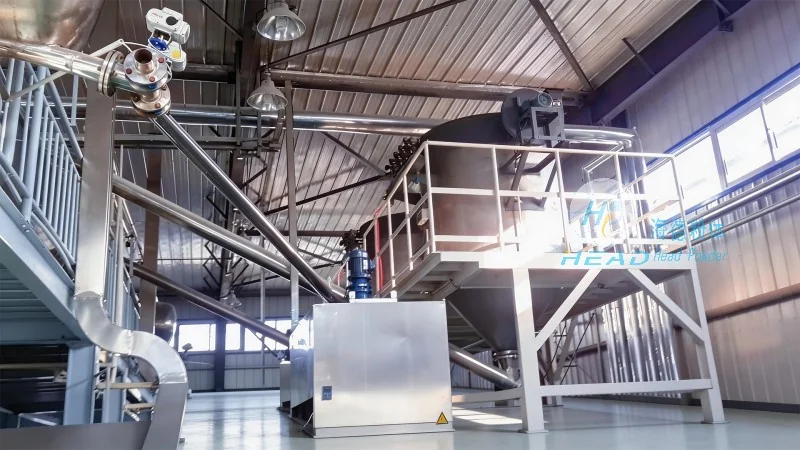
The Role of Shandong HeadPowder Engineering Co., Ltd. in Methylcellulose Powder Conveying Solutions
Shandong HeadPowder Engineering Co., Ltd., commonly known as HeadPowder, is a leading provider of specialized engineering solutions for powder handling systems. With a focus on methylcellulose and other fine powders, HeadPowder designs and manufactures conveying lines that meet the specific needs of their clients. The company's expertise lies in understanding the unique properties of methylcellulose and tailoring the design of the conveying line to optimize performance. HeadPowder's team of engineers works closely with clients to assess their production requirements, material characteristics, and operational constraints to develop a customized solution. The company's facilities are located in Shandong, China, where they leverage advanced manufacturing technologies and quality control processes to ensure that their products meet the highest standards. HeadPowder's commitment to innovation and customer satisfaction has made them a trusted partner for industries relying on methylcellulose powder conveying systems.




