For industrial operations dealing with bulk materials like cement, the selection of an efficient material handling system is crucial. Among the various options available, cement particle pneumatic conveying equipment stands out as a reliable solution for transporting fine powders over long distances with minimal loss and contamination. This equipment utilizes air as the medium to move particles, offering advantages such as low maintenance, flexibility in layout, and the ability to handle sensitive materials without degradation. In this article, we will explore the fundamental aspects of this technology, focusing on its working mechanism and design principles to help users understand its applications and benefits.
Introduction to Cement Particle Pneumatic Conveying
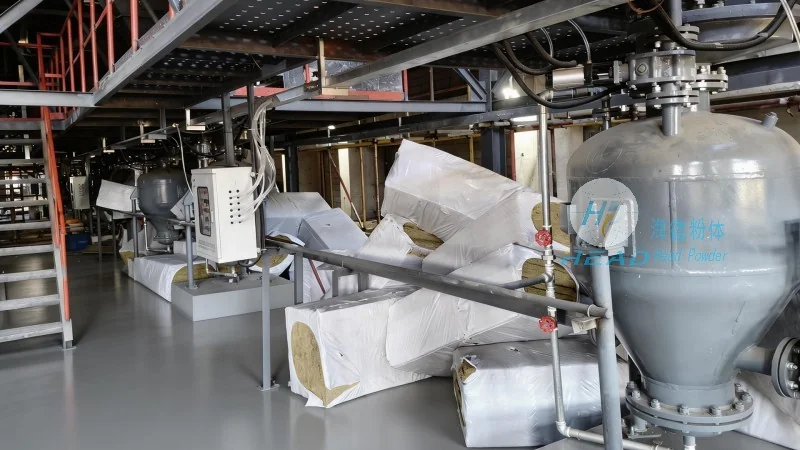
Cement particle pneumatic conveying equipment is a system designed to transport dry cement particles through a pipeline using compressed air. The process involves creating a pressure differential between the inlet and outlet of the system, which draws the cement particles into the pipeline and propels them to the destination. This method is particularly suitable for applications where traditional methods like belt conveyors or bucket elevators are impractical due to space constraints, material sensitivity, or the need for enclosed transport to prevent dust emissions. The equipment typically consists of a hopper, a feeder, a conveying line, and a receiver, each component working in tandem to ensure smooth material flow.
Design Principles of Pneumatic Conveying Systems
The design of a cement particle pneumatic conveying system is based on several key principles that ensure optimal performance and efficiency. First, the system must maintain a consistent air flow rate to maintain the particle suspension, preventing clogging or blockages in the pipeline. This is achieved by using appropriate air compressors and control valves that can adjust the air pressure and flow according to the material characteristics and conveying distance. Second, the equipment must be designed to handle the specific properties of cement particles, such as their size, density, and moisture content. For example, fine cement particles require higher air velocities to remain suspended, while larger particles may need a different conveying velocity to avoid deposition. Third, the system should incorporate features to minimize pressure losses and energy consumption. This includes using smooth pipelines with minimal bends and fittings, as well as optimizing the air-to-material ratio to achieve the most efficient conveying conditions.
Components and Their Functions
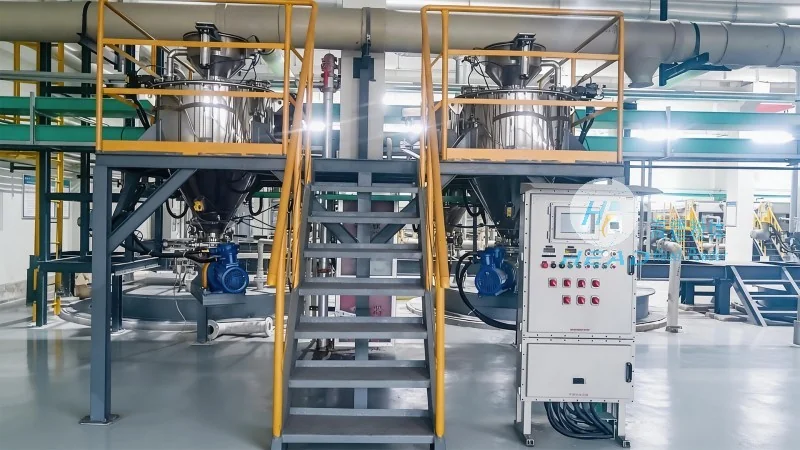
Each component of the cement particle pneumatic conveying equipment plays a critical role in the overall operation. The hopper serves as the storage and feeding unit, where cement is loaded and fed into the system. It is designed with a sloped bottom to facilitate material flow and prevent bridging or caking. The feeder, often a rotary valve or a star feeder, regulates the flow rate of cement into the conveying line, ensuring a consistent supply of particles. The conveying line, usually made of stainless steel or other corrosion-resistant materials, is the main pathway for the cement particles and air mixture. It is equipped with bends and fittings that are carefully designed to minimize pressure drop and maintain the particle suspension. The receiver, located at the end of the line, collects the conveyed cement and discharges it into a storage or processing unit. Additionally, the system may include a filter and a dust collector to capture any escaped particles and maintain air quality.
Advantages of Using Pneumatic Conveying for Cement
Compared to traditional material handling methods, cement particle pneumatic conveying offers several advantages that make it a preferred choice for many industries. One of the primary benefits is the enclosed transport, which prevents dust emissions and protects the material from contamination. This is particularly important for cement, which can be harmful if inhaled or if it comes into contact with moisture. Another advantage is the flexibility in layout, as the system can be installed in various configurations, including vertical, horizontal, or a combination of both, to suit the specific space and operational requirements. The equipment also requires less floor space compared to other bulk handling systems, making it ideal for facilities with limited space. Furthermore, pneumatic conveying systems are relatively low maintenance, as they have fewer moving parts and are less prone to wear and tear compared to mechanical conveyors. This reduces downtime and operational costs over the long term.
Applications in Cement Manufacturing and Processing
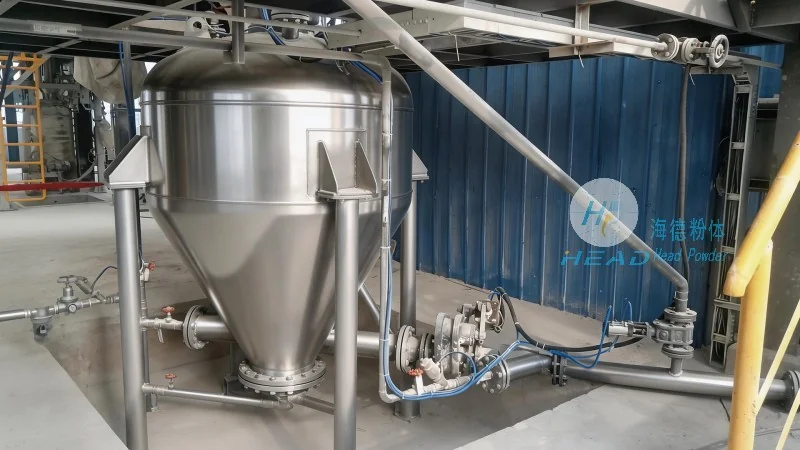
Cement particle pneumatic conveying equipment is widely used in various stages of cement manufacturing and processing. In the raw material handling stage, it is used to transport limestone, clay, and other raw materials from storage to the grinding mills. The fine powders are conveyed efficiently over long distances without the need for intermediate storage, ensuring a continuous supply of raw materials. In the clinker production stage, the system is used to transport the clinker from the kiln to the cement grinding plant. The clinker is then ground into cement powder using the same pneumatic conveying system, which delivers the finished product to the storage silos or packaging units. Additionally, the equipment is used in the quality control and testing stages, where small samples of cement are conveyed to testing labs for analysis. The ability to handle fine powders and maintain product integrity makes it an essential component in modern cement production lines.
Considerations for System Design and Installation
When designing and installing a cement particle pneumatic conveying system, several factors must be considered to ensure optimal performance and longevity. First, the system must be designed to handle the specific properties of the cement, including its particle size distribution, density, and moisture content. These factors affect the air velocity required for conveying and the pressure drop in the pipeline. Second, the system must be sized appropriately to handle the required material flow rate and conveying distance. Over-sizing or under-sizing the system can lead to inefficiencies or operational issues. Third, the equipment must be installed with proper support and alignment to prevent vibrations and stress on the components. This includes using appropriate hangers and supports for the conveying line and ensuring that all connections are properly sealed to prevent air leaks. Fourth, the system must be equipped with appropriate safety features, such as pressure relief valves and dust collection systems, to protect operators and the environment.




