For coffee processing and distribution industries, efficient and reliable material handling is crucial. Coffee powder, with its fine particles and potential for dust generation, requires specialized equipment to ensure safe and effective transport. This article explores the coffee powder pneumatic conveying system, detailing its components, operational principles, and design considerations.
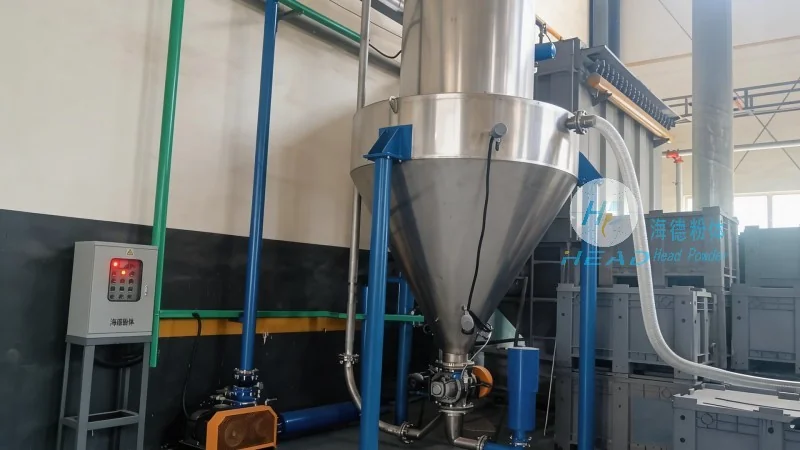
Understanding Coffee Powder Pneumatic Conveying Systems
A coffee powder pneumatic conveying system is a technology used to transport coffee powder and other fine particulate materials through a pipeline using air or other gas as the conveying medium. Unlike traditional mechanical conveying methods, which rely on belts, screws, or buckets, pneumatic systems use pressure differentials to move material. This method is particularly advantageous for coffee powder due to its sensitivity to moisture, temperature, and contamination, as it minimizes direct contact with equipment and reduces the risk of product degradation.
Key Components of the System
The coffee powder pneumatic conveying system typically consists of several core components that work in tandem to ensure efficient material transport. These include the hopper or feeder, which holds the coffee powder and controls the flow rate; the conveying line, which is a sealed pipeline where the material and air travel; the air compressor or blower, which generates the necessary pressure to move the material; and the receiver or discharge hopper, where the coffee powder is deposited at the destination. Additionally, the system may include filters, cyclones, and dust collectors to manage air quality and prevent dust emissions, as well as control valves and sensors to regulate flow and pressure.
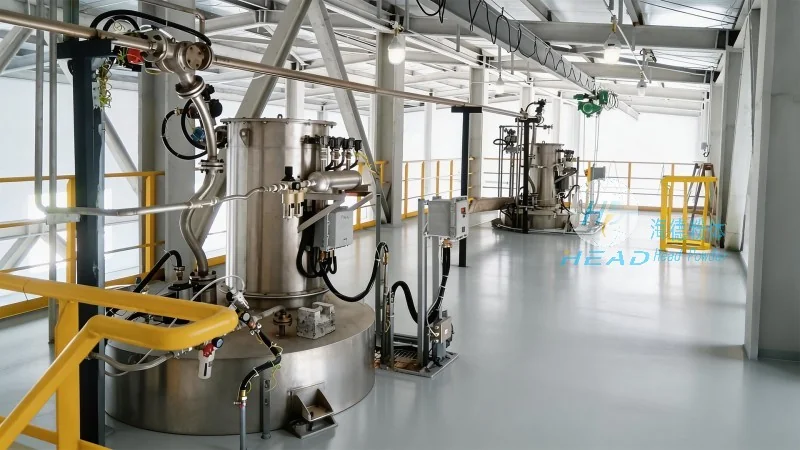
Design Principles and Operational Mechanics
The design of a coffee powder pneumatic conveying system is governed by several key principles to optimize performance and ensure product integrity. The most critical factor is the selection of the appropriate conveying method, which can be categorized as pressure or vacuum systems. Pressure systems use positive pressure to push material through the pipeline, while vacuum systems use negative pressure to pull material. For coffee powder, pressure systems are often preferred due to their ability to handle high volumes and prevent backflow, though vacuum systems are suitable for shorter distances or when gentle handling is required.
Another crucial design consideration is the particle size and density of the coffee powder. The system must be designed to handle the specific characteristics of the material, as these factors affect the air velocity and pressure required for effective transport. For example, finer coffee powders may require higher air velocities to prevent clogging, while denser materials may need more powerful air compressors to maintain flow. The pipeline diameter and length are also critical, as they impact the pressure drop and energy consumption of the system. Proper sizing ensures that the system operates efficiently without excessive energy use or pressure loss.
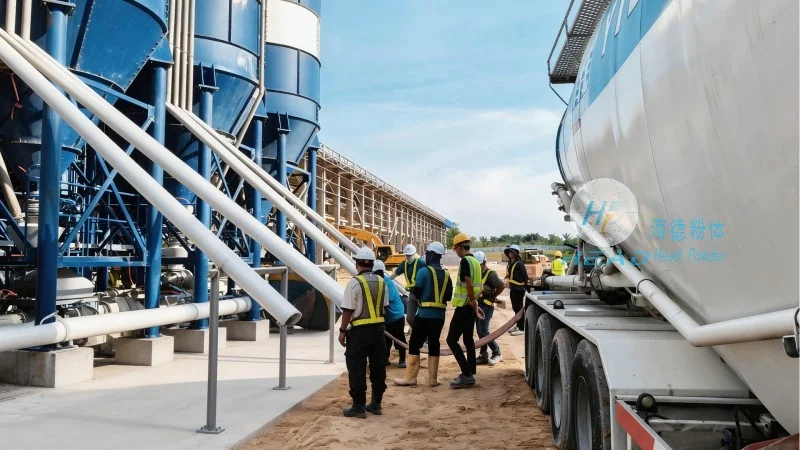
Advantages and Considerations for Coffee Powder Handling
Implementing a coffee powder pneumatic conveying system offers several advantages for coffee processing facilities. These include improved product quality through reduced exposure to contaminants and minimal handling, enhanced safety by eliminating manual handling of powders, and increased efficiency through automated material transport. However, there are also considerations to keep in mind, such as the need for regular maintenance of air filters and compressors to prevent dust buildup and ensure consistent performance. Additionally, the system must be designed to comply with local regulations regarding air emissions and noise levels, as improper management can lead to environmental and operational issues.
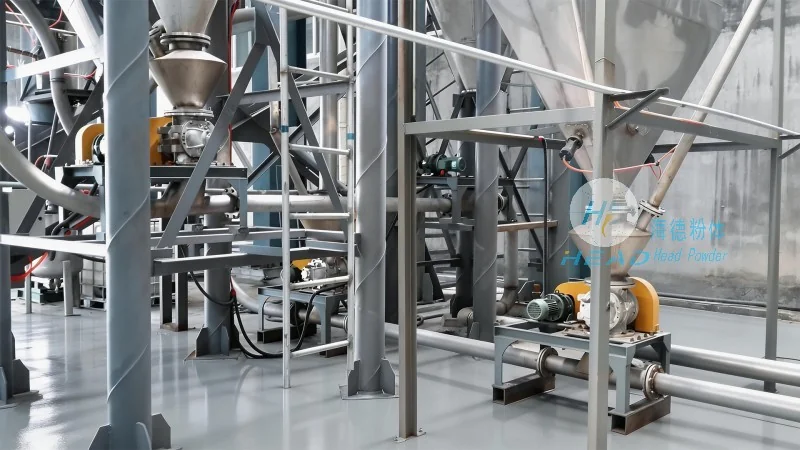
About Shandong HeadPowder Engineering Co., Ltd.
Shandong HeadPowder Engineering Co., Ltd., a leading manufacturer in the field, specializes in designing and manufacturing coffee powder pneumatic conveying systems tailored to the unique needs of the coffee industry. With years of experience and a commitment to quality, HeadPowder provides reliable solutions that enhance efficiency and product integrity in coffee processing and distribution. The company’s expertise in material handling technology ensures that its systems are optimized for coffee powder, addressing the specific challenges of fine particulate transport while meeting industry standards for performance and safety.
Conclusion
Coffee powder pneumatic conveying systems are essential equipment for modern coffee processing operations, offering efficient, safe, and reliable material transport. By understanding the design principles and operational mechanics of these systems, coffee producers and distributors can optimize their processes and maintain product quality. With the support of companies like Shandong HeadPowder Engineering Co., Ltd., the coffee industry can leverage advanced technology to enhance productivity and meet the demands of a competitive market.




