For industrial operations dealing with fly ash, an efficient and reliable conveying system is essential. A fly ash powder conveying line is a specialized setup designed to transport fly ash from its source to the intended destination, such as storage silos or processing units. This system plays a critical role in maintaining the flow of material while ensuring safety and operational efficiency. The system is developed by Shandong HeadPowder Engineering Co., Ltd., a leading provider of industrial material handling solutions based in Shandong, China.
Introduction to Fly Ash Powder Conveying Lines
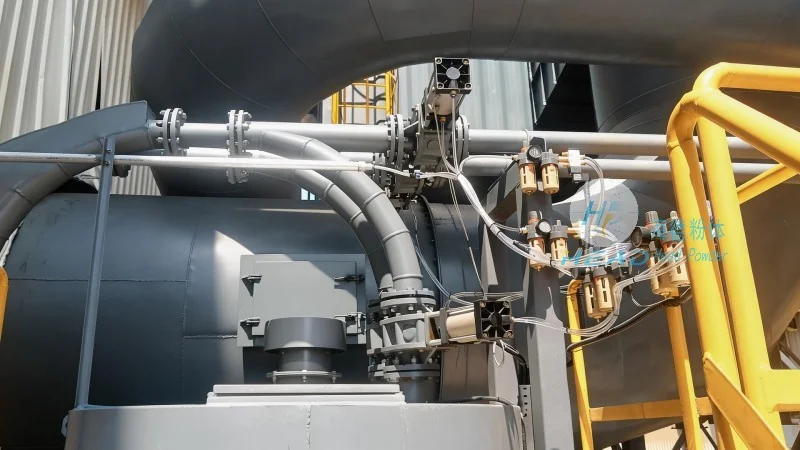
Fly ash, a byproduct of coal combustion in thermal power plants, is a fine powder that requires careful handling due to its abrasive nature and potential health hazards. Conveying this material efficiently requires a system that can handle high volumes while minimizing dust generation and ensuring the safety of personnel. The fly ash powder conveying line is engineered to meet these demands, combining various components to create a seamless material transport process.
Key Components of a Fly Ash Powder Conveying Line
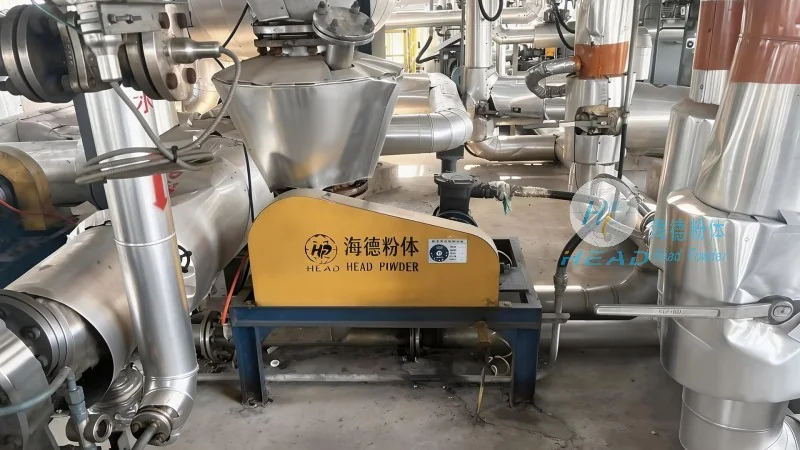
The design of a fly ash powder conveying line typically involves several key components that work in tandem to ensure effective material transport. These components include the hopper for material collection, the conveyor system (such as screw conveyors or pneumatic systems), and the control mechanisms that regulate the flow. Each component is selected based on the specific characteristics of the fly ash, including its particle size, moisture content, and flowability.
Design Principles for Efficient Fly Ash Conveying
The design principles of a fly ash powder conveying line are centered on maximizing efficiency, minimizing downtime, and ensuring safety. One of the primary principles is the use of appropriate material handling equipment that can handle the abrasive properties of fly ash without causing excessive wear and tear. This often involves selecting materials for the conveyor components that are resistant to corrosion and abrasion, such as stainless steel or specialized alloys.
Another critical design principle is the management of dust and air quality. Fly ash is a fine particulate that can create significant dust clouds, posing health risks and environmental concerns. Therefore, the conveying line is designed with dust suppression measures, such as enclosed systems and filtration units, to contain and control dust emissions. This not only protects workers but also complies with environmental regulations.
Control and Automation in Fly Ash Conveying Systems
Modern fly ash powder conveying lines often incorporate advanced control and automation systems to enhance operational efficiency. These systems allow for real-time monitoring of the conveying process, enabling operators to adjust parameters such as conveyor speed and material flow rate based on real-time conditions. Automation also helps in reducing human error and improving the consistency of material transport, leading to better overall performance.
Applications and Benefits of Fly Ash Powder Conveying Lines
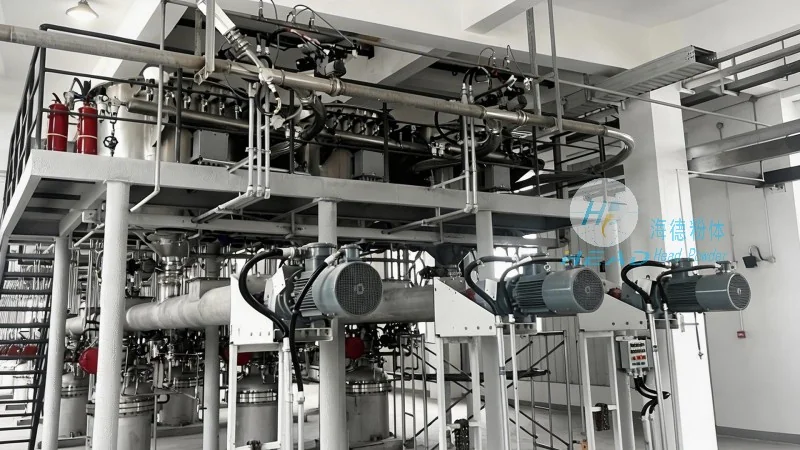
Fly ash powder conveying lines are widely used in various industrial applications, particularly in the power generation and construction sectors. The primary benefits of these systems include improved material handling efficiency, reduced labor costs, and enhanced safety through automated and enclosed operations. By effectively transporting fly ash, these systems contribute to the overall productivity of industrial facilities while minimizing environmental impact.
Conclusion
In conclusion, a fly ash powder conveying line is a sophisticated system designed to handle the challenges of transporting fine, abrasive materials like fly ash. Its design principles focus on efficiency, safety, and environmental compliance, making it an essential component in industrial operations. By understanding the key components and design principles, industries can select and implement the most suitable conveying system for their specific needs, ensuring optimal performance and reliability.




