Chlorinated polyethylene (CPE) is a versatile polymer widely used in various industrial applications due to its excellent chemical resistance, flexibility, and durability. When handling CPE powder in industrial settings, an efficient and reliable conveying system is crucial to ensure smooth material transport, minimize dust generation, and maintain product quality. This article explores the concept of a chlorinated polyethylene powder conveying line and delves into its fundamental design principles, highlighting the key components and operational strategies that contribute to its effectiveness.
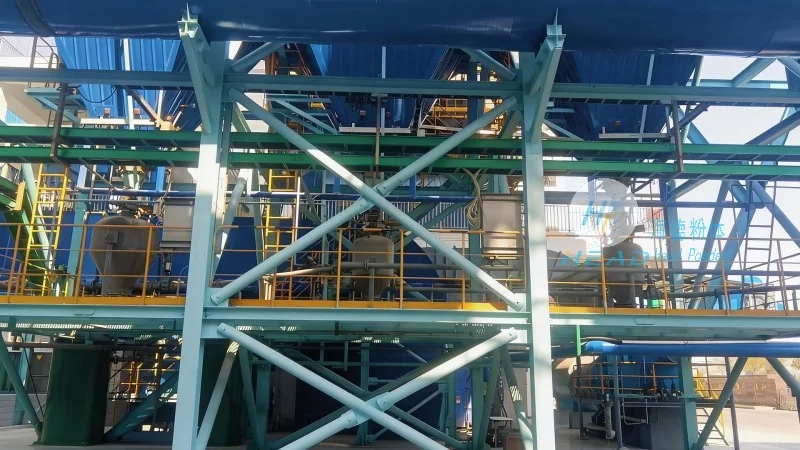
Understanding the Chlorinated Polyethylene Powder Conveying Line
A chlorinated polyethylene powder conveying line is a specialized system engineered to transport CPE powder from storage silos or hoppers to processing equipment such as mixers, extruders, or granulators. The system typically integrates various components, including feeders, conveyors, dust collectors, and control systems, all working in tandem to achieve efficient material handling. The primary goal of such a line is to maintain a consistent flow rate, minimize material degradation, and ensure a clean and safe working environment.
Key Components of the Conveying Line
The design of a chlorinated polyethylene powder conveying line relies on several critical components that work together to facilitate smooth operation. These components include:
1. Feeders: Feeders are responsible for controlling the flow rate of CPE powder from the storage silo to the conveyor. Common types include rotary valves, star feeders, and screw feeders, each offering different advantages in terms of flow control and material compatibility. Proper selection of a feeder is essential to prevent overloading or underloading of the conveyor, which can lead to uneven material distribution or system inefficiencies.
2. Conveyors: The conveyor is the core component of the system, responsible for transporting the CPE powder through the pipeline. There are several types of conveyors suitable for powder handling, including pneumatic conveyors (air-assisted) and mechanical conveyors (e.g., belt conveyors, screw conveyors). Pneumatic conveyors are often preferred for CPE powder due to their ability to handle fine powders and minimize dust dispersion. The choice of conveyor type depends on factors such as the powder's properties, required transport distance, and system capacity.
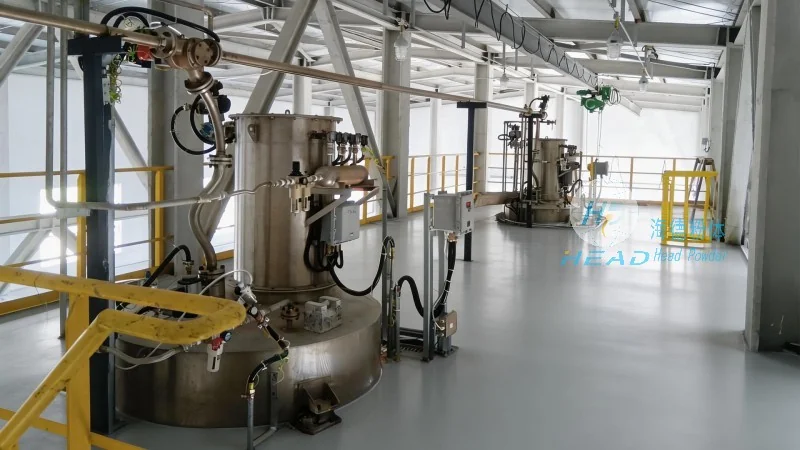
3. Dust Collectors: Dust collection is a critical aspect of any powder conveying system, as CPE powder can generate significant airborne particles during transport. Dust collectors, such as baghouse or cartridge filters, are integrated into the system to capture and remove dust from the air stream, ensuring compliance with environmental regulations and maintaining a clean working environment. Proper maintenance of the dust collector is essential to prevent clogging and ensure optimal performance.
4. Control Systems: Modern conveying lines are equipped with advanced control systems that monitor and regulate the operation of the components. These systems typically include sensors for flow rate, pressure, and temperature, as well as programmable logic controllers (PLCs) that adjust the feeder speed, conveyor speed, and other parameters based on real-time conditions. The control system enhances the efficiency and reliability of the conveying line by preventing overloads, preventing system failures, and optimizing material usage.
Design Principles for Optimal Performance
The design of a chlorinated polyethylene powder conveying line follows several key principles to ensure optimal performance and longevity. These principles are centered around material compatibility, system efficiency, and operational safety:
1. Material Compatibility: The entire conveying line, including pipes, fittings, and components, must be constructed from materials that are compatible with CPE powder. CPE is a chemically resistant polymer, but it can still be affected by certain chemicals or temperatures. Therefore, components made from stainless steel, polypropylene, or other corrosion-resistant materials are commonly used to prevent material degradation and ensure the longevity of the system.
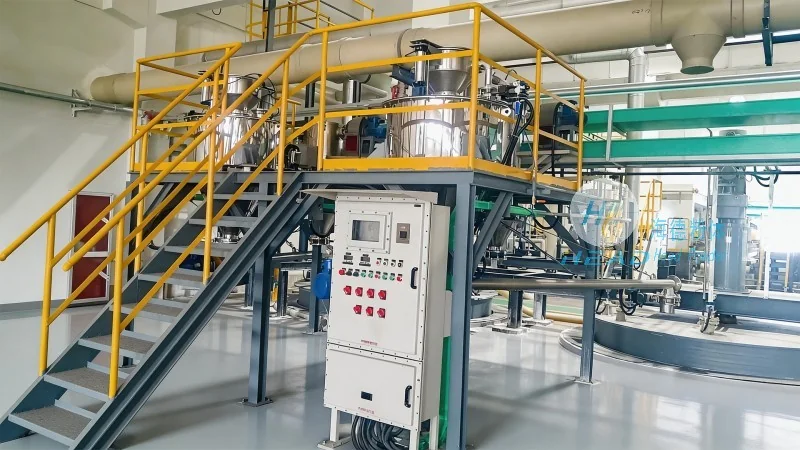
2. System Efficiency: The design aims to minimize energy consumption and maximize material throughput. This is achieved through proper sizing of the conveyor and feeder, ensuring that the system operates at or near its optimal capacity. Additionally, the use of efficient dust collection systems and proper maintenance schedules helps to reduce energy waste and extend the life of the equipment.
3. Operational Safety: Safety is a top priority in the design of any industrial conveying system. The line is equipped with safety features such as emergency stop buttons, pressure relief valves, and interlocks to prevent accidents and ensure the well-being of operators. Proper ventilation and dust extraction systems are also incorporated to maintain a safe working environment.
Applications and Benefits
Chlorinated polyethylene powder conveying lines are widely used in various industries, including plastics manufacturing, chemical processing, and food processing. The benefits of using such a system include improved material handling efficiency, reduced labor costs, minimized dust pollution, and enhanced product quality. By maintaining a consistent flow rate and preventing material degradation, the system ensures that the CPE powder reaches the processing equipment in optimal condition, leading to higher-quality end products.
Conclusion
In conclusion, a chlorinated polyethylene powder conveying line is a sophisticated system designed to efficiently transport CPE powder while maintaining product quality and operational safety. The design principles, including material compatibility, system efficiency, and operational safety, are critical to the success of the system. By integrating proper components and control systems, manufacturers can achieve reliable and cost-effective material handling for their CPE powder operations. As a leading provider in this field, Shandong HeadPowder Engineering Co., Ltd. specializes in designing and manufacturing high-quality conveying lines tailored to the specific needs of their clients, ensuring optimal performance and longevity for their industrial applications.




