The sawdust and wood flakes pneumatic conveying system is a specialized industrial equipment designed for the efficient transportation of lightweight, low-density materials such as sawdust and wood flakes. As a key component in the wood processing and biomass energy sectors, this system plays a crucial role in optimizing material handling processes, enhancing production efficiency, and ensuring safe operation. The following sections will provide a detailed introduction to the system's structure and operational principles.
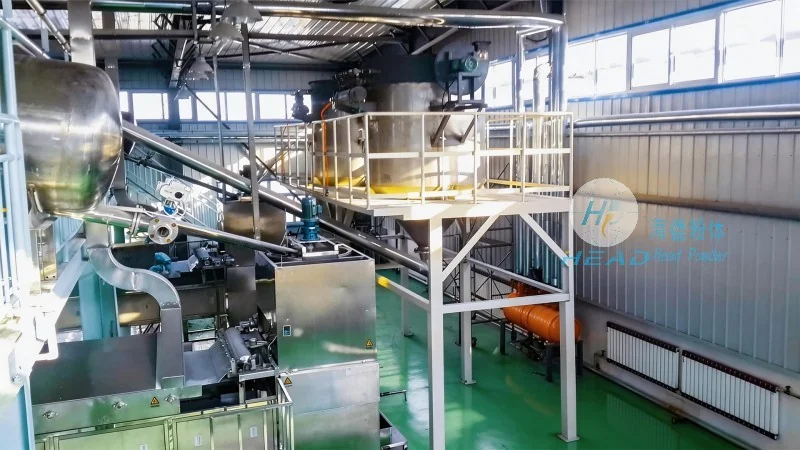
Key Components and Structure of the Pneumatic Conveying System
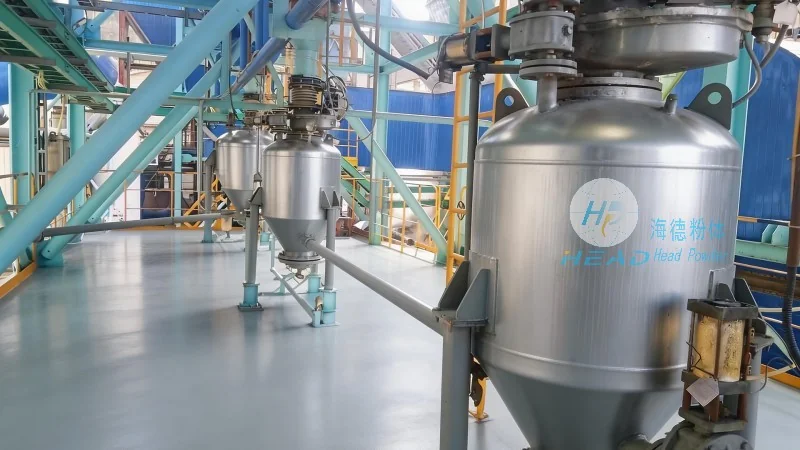
At the core of the sawdust and wood flakes pneumatic conveying system are several critical components that work in concert to facilitate material transport. The system typically includes a material hopper, a rotary valve or feeder, a conveying pipeline, a pressure vessel or receiver, and a dust collection or filtration unit. The material hopper is responsible for storing the raw sawdust or wood flakes, ensuring a consistent feed to the system. The rotary valve or feeder regulates the flow of material into the pipeline, controlling the rate of material discharge to match the conveying requirements. The conveying pipeline, often made of stainless steel or other corrosion-resistant materials, transports the material under pressure. The pressure vessel or receiver collects the conveyed material at the destination point, allowing for subsequent processing or storage. Finally, the dust collection or filtration unit ensures that airborne particles are captured and removed, maintaining air quality and compliance with environmental regulations.
Operational Principle: The Mechanism of Pneumatic Conveying
The pneumatic conveying system operates on the principle of using compressed air to move material through a pipeline. When the system is activated, compressed air is introduced into the conveying pipeline, creating a pressure differential that propels the material forward. The material is suspended in the air stream and transported from the source to the destination. The system can be categorized into two main types: dilute-phase and dense-phase conveying. Dilute-phase conveying uses higher air velocities to transport material in a relatively low concentration, suitable for short to medium distances. Dense-phase conveying, on the other hand, uses lower air velocities and higher material concentrations, ideal for longer distances and more challenging material properties. The choice between these two modes depends on factors such as material characteristics, distance, and system efficiency requirements.
Advantages of Sawdust and Wood Flakes Pneumatic Conveying Systems
Implementing a sawdust and wood flakes pneumatic conveying system offers numerous advantages over traditional material handling methods. Firstly, it eliminates the need for mechanical components like belts or chains, reducing maintenance costs and increasing system reliability. Secondly, the system provides a dust-free and hygienic environment, which is particularly important in food processing or biomass energy applications where material purity is critical. Thirdly, the system allows for continuous and automated material transport, improving production throughput and reducing labor costs. Additionally, the compact design of the system saves space in industrial facilities, making it suitable for both new installations and retrofitting existing processes. The energy efficiency of modern pneumatic conveying systems also contributes to lower operational costs and reduced environmental impact.
Application Scenarios and Industry Impact
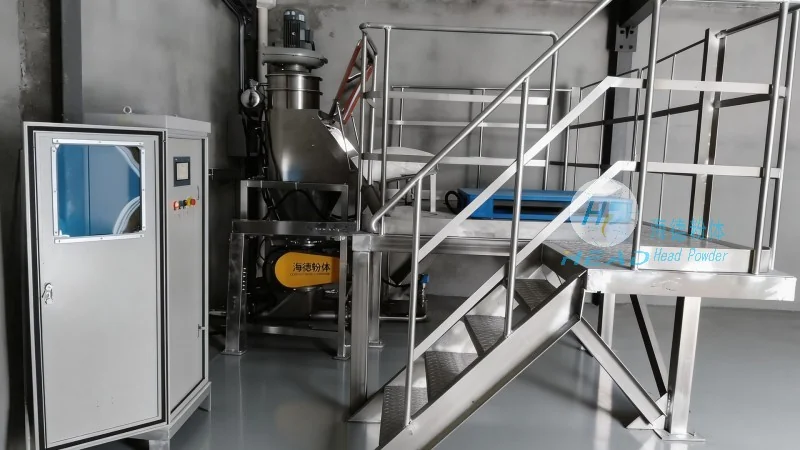
The sawdust and wood flakes pneumatic conveying system finds wide application in various industries, including wood processing, biomass energy production, and particle board manufacturing. In wood processing facilities, the system efficiently transports sawdust from sawmills to storage silos or to the production line for further processing. In biomass energy plants, the system delivers wood flakes to combustion chambers or gasifiers, ensuring a steady supply of fuel. In particle board manufacturing, the system conveys wood flakes to the press or molding equipment, facilitating the production of high-quality panels. The consistent and reliable material transport provided by the system enhances overall production efficiency and product quality, making it an indispensable tool in modern industrial operations.
Company Profile: Shandong HeadPowder Engineering Co., Ltd.
HeadPowder, as a leading manufacturer in the field of material handling equipment, specializes in designing and manufacturing advanced pneumatic conveying systems tailored to the needs of the wood processing and biomass energy industries. With a strong commitment to innovation and quality, the company has established itself as a trusted partner for businesses seeking efficient and reliable material transport solutions. HeadPowder's team of engineers and technicians leverages years of experience and cutting-edge technology to develop customized systems that meet the unique requirements of each client. The company's facilities, located in Shandong, China, are equipped with state-of-the-art manufacturing equipment and rigorous quality control processes to ensure that every product meets the highest standards of performance and durability. HeadPowder's dedication to customer satisfaction and technical excellence has earned the company a reputation for delivering solutions that not only meet but exceed industry expectations.




