Dry flue gas desulfurization (FGD) ash, also known as gypsum or desulfurization slag, is a byproduct generated during the flue gas desulfurization process in power plants and industrial facilities. The efficient handling and transportation of this ash are crucial for maintaining operational efficiency and environmental compliance. The dry FGD ash pneumatic conveying system is a specialized equipment designed to handle this material, ensuring safe and effective transport from the collection point to the disposal or reutilization site. This article provides an overview of the system's structure and working principle, highlighting its key components and operational mechanisms.
Company Profile: Shandong HeadPowder Engineering Co., Ltd.
Shandong HeadPowder Engineering Co., Ltd., commonly known as headpowder, is a leading engineering and manufacturing company based in Shandong, China. With years of experience in the field of powder handling and material processing, the company specializes in the design, development, and installation of advanced pneumatic conveying systems. Headpowder's expertise lies in providing customized solutions tailored to the specific needs of industrial clients, ensuring high efficiency, reliability, and environmental friendliness in material handling operations. The company's commitment to quality and innovation has established it as a trusted partner in the power and chemical industries.
System Structure Overview
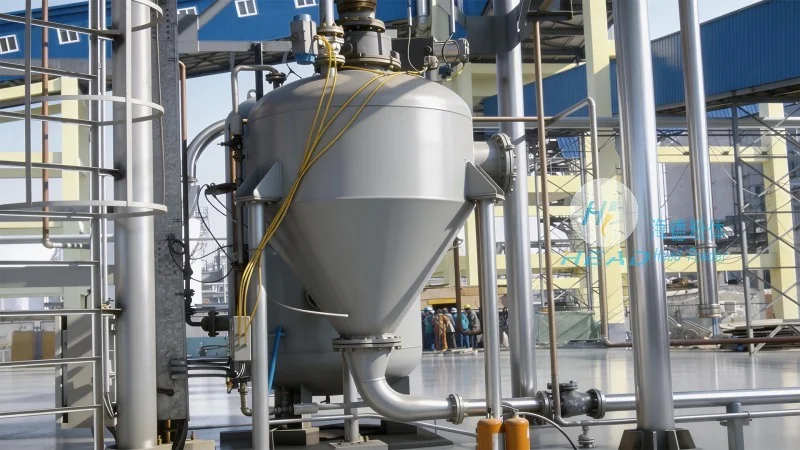
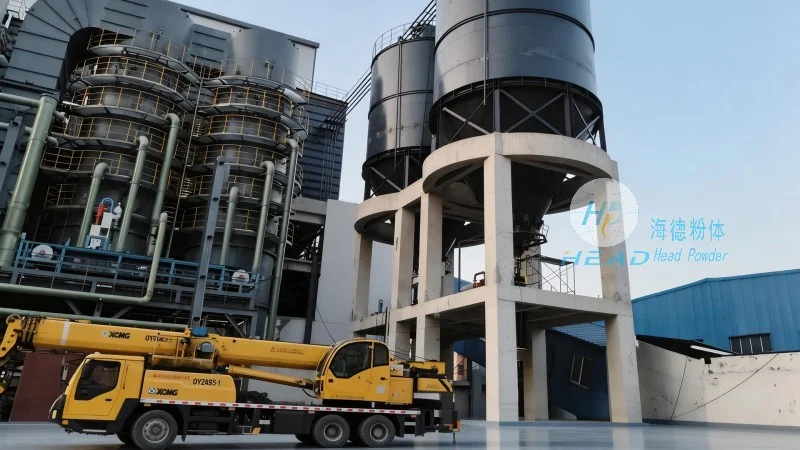
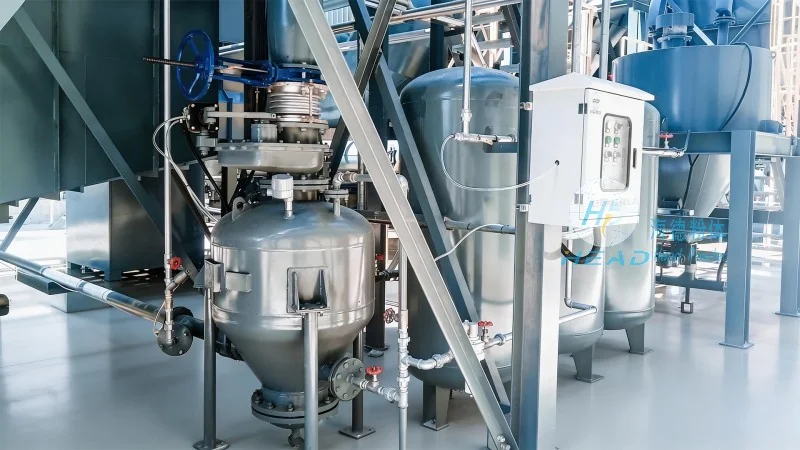
The dry FGD ash pneumatic conveying system consists of several interconnected components that work in tandem to achieve the material transport. The primary components include the ash hopper, air compressor or blower, conveying pipeline, dust separator, and control system. Each component plays a critical role in the overall operation of the system.
Key Components and Their Functions
Ash Hopper: The ash hopper is the initial collection point where the dry FGD ash is stored before being conveyed. It is typically designed with a conical or rectangular shape to facilitate the uniform discharge of the material. The hopper is equipped with a discharge valve or gate that controls the flow of ash into the conveying line.
Air Compressor or Blower: The air compressor or blower generates the necessary airflow to create a negative pressure or positive pressure environment within the conveying pipeline. This airflow is responsible for transporting the ash particles through the system. The selection of the compressor type depends on the system's capacity, material characteristics, and required conveying distance.
Conveying Pipeline: The conveying pipeline is the main channel through which the ash is transported. It is usually made of stainless steel or other corrosion-resistant materials to withstand the acidic and abrasive nature of the FGD ash. The pipeline is designed with appropriate bends and elbows to guide the material along the desired path, minimizing friction and pressure loss.
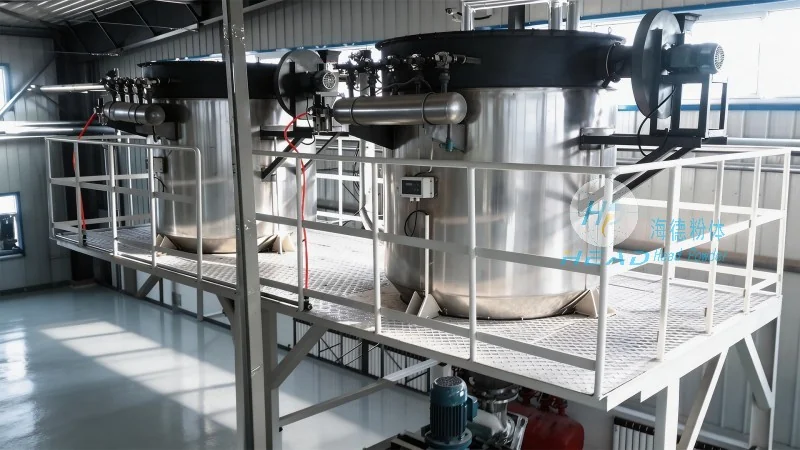
Dust Separator: The dust separator, also known as a cyclone or bag filter, is installed at the receiving end of the system to separate the ash particles from the air stream. The separator uses centrifugal force to separate the solid particles from the gas, allowing the clean air to be discharged and the ash to be collected in a separate container. This component is essential for maintaining air quality and preventing dust pollution.
Working Principle of the Pneumatic Conveying System
The operation of the dry FGD ash pneumatic conveying system follows a sequential process. Initially, the ash accumulates in the hopper and is then discharged into the conveying pipeline under the action of the air flow generated by the compressor. The high-velocity air stream entrains the ash particles and carries them through the pipeline to the receiving station. At the receiving end, the dust separator separates the ash from the air, and the ash is collected in a designated container. The clean air is then discharged to the atmosphere or recirculated back to the system if needed.
Technical Advantages and Applications
The dry FGD ash pneumatic conveying system offers several advantages over traditional methods such as belt conveyors or truck transport. These advantages include high efficiency in material transport, reduced labor costs, and minimal environmental impact due to enclosed handling. The system is particularly suitable for long-distance conveying, as it can transport ash over distances of several kilometers with minimal loss. Additionally, the system is designed to handle abrasive and corrosive materials, making it ideal for industrial applications where durability and reliability are critical.
Conclusion
In conclusion, the dry flue gas desulfurization ash pneumatic conveying system is a sophisticated and efficient solution for handling FGD ash. Its structure, comprising of ash hopper, air compressor, conveying pipeline, and dust separator, works in harmony to ensure safe and effective transport. The system's operational principle, based on pneumatic transport, provides a reliable method for managing the byproduct of flue gas desulfurization. With its technical advantages and applications in various industrial sectors, this system plays a vital role in maintaining operational efficiency and environmental compliance in power plants and industrial facilities. Shandong HeadPowder Engineering Co., Ltd. continues to lead in the development and implementation of such advanced systems, providing customized solutions that meet the evolving needs of the industry.




