HeadPowder, a leading enterprise in the field of material handling and processing, specializes in the design, manufacturing, and installation of advanced pneumatic conveying systems tailored for industrial applications. This article provides an in-depth overview of magnesia pneumatic conveying lines, focusing on their structural design and operational principles to help industry professionals understand the technology's core components and functional mechanisms.
Company Profile and Background
HeadPowder Engineering Co., Ltd. is headquartered in Shandong, China. As a professional manufacturer and supplier, the company has built a strong reputation for delivering high-quality, efficient, and reliable pneumatic conveying solutions. With years of experience in the industry, HeadPowder has developed a comprehensive product line that meets the diverse needs of clients across various sectors, including chemical, metallurgy, and construction materials. The company's commitment to innovation and customer satisfaction drives its continuous improvement in product performance and service quality.
Understanding Magnesia Pneumatic Conveying Systems
Magnesia, a key raw material widely used in refractory production, is often transported using pneumatic conveying systems due to its fine particle size and the need for dust-free handling. A magnesia pneumatic conveying line is a closed-loop system that utilizes compressed air to transport bulk materials from a source to a destination, such as a storage silo, processing unit, or packaging area. The system is designed to handle materials with specific characteristics, ensuring efficient and safe material transfer while minimizing environmental impact.
Structural Components of Magnesia Pneumatic Conveying Lines
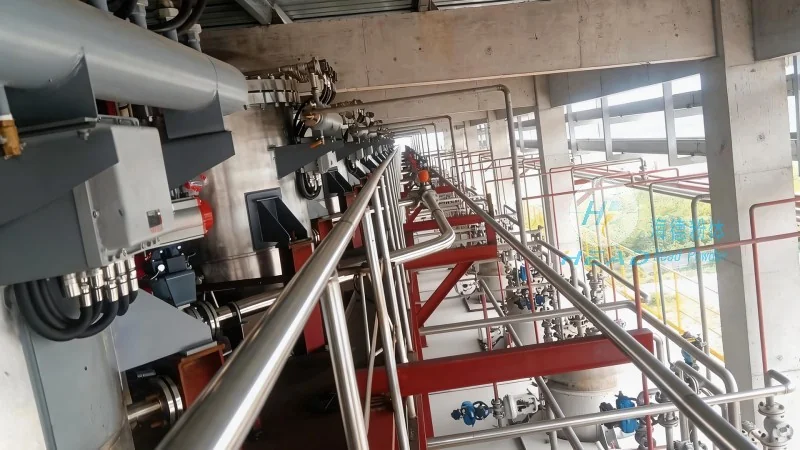
The magnesia pneumatic conveying system consists of several critical components that work in harmony to achieve effective material transport. These components include the material feeder, air compressor, conveying pipes, separation and cleaning devices, and the receiving hopper. Each component plays a vital role in the overall operation of the system.
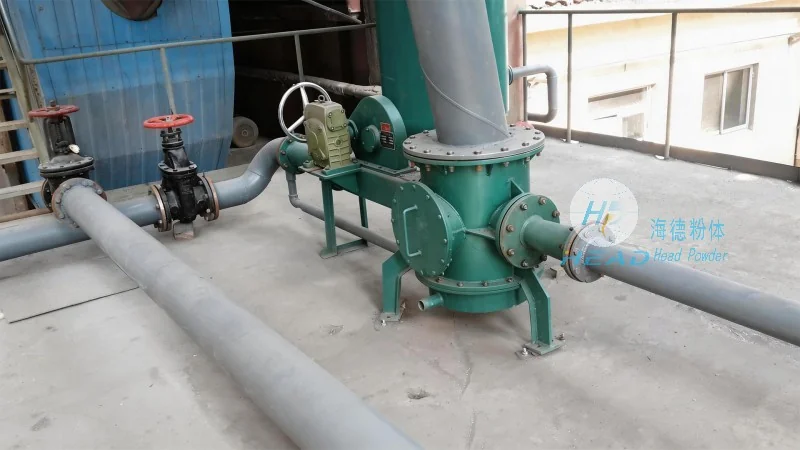
The material feeder is responsible for feeding the magnesia powder into the system at a controlled rate. It ensures a consistent flow of material, preventing blockages and maintaining system efficiency. The air compressor generates the necessary pressure and volume of air to move the material through the conveying pipes. The conveying pipes are typically made of durable materials, such as stainless steel or special alloys, to withstand the abrasive nature of magnesia particles and resist corrosion.
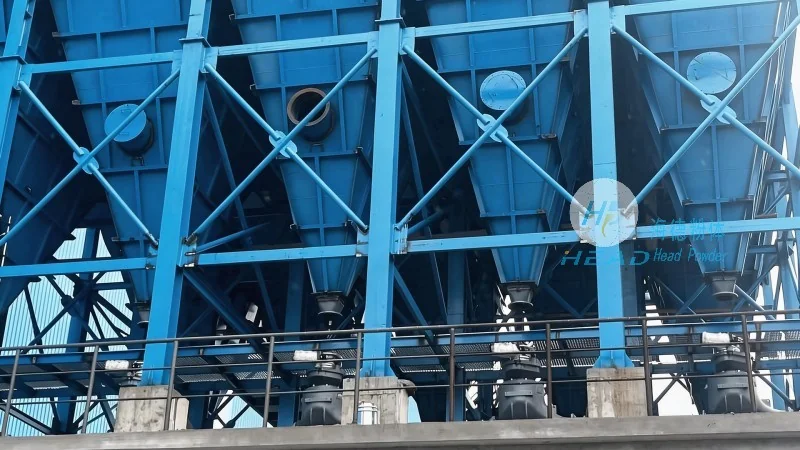
The separation and cleaning devices, such as cyclones or filters, are crucial for removing air from the material stream and cleaning the air before it is discharged. These devices help maintain the purity of the magnesia and prevent dust contamination in the surrounding environment. The receiving hopper collects the conveyed magnesia and stores it until it is further processed or used in production.
Working Principles of the Conveying Process
The operation of a magnesia pneumatic conveying line follows a systematic process. Initially, the magnesia powder is fed into the system through the feeder. Simultaneously, the air compressor supplies compressed air to the system. The air and material are mixed in the feeder or a separate mixing chamber, creating a slurry-like mixture that is then propelled through the conveying pipes by the air flow.
As the mixture travels through the pipes, it encounters various bends and changes in direction. The system's design ensures that the air velocity remains sufficient to keep the material suspended and prevent settling or blockages. The conveying process continues until the material reaches the receiving hopper, where the air is separated from the material through the separation devices. The cleaned air is then discharged, while the magnesia is collected in the hopper for subsequent use.
Advantages of Magnesia Pneumatic Conveying Systems
Compared to traditional bulk material handling methods, magnesia pneumatic conveying systems offer several advantages. These include reduced labor costs, as the system operates with minimal human intervention. The closed-loop design minimizes dust emissions, enhancing workplace safety and environmental compliance. Additionally, the system allows for precise control over material flow rates, ensuring consistent product quality. The compact design of the system also saves space in industrial facilities, making it suitable for both new installations and retrofit applications.
Applications and Industries
Magnesia pneumatic conveying systems are widely used in industries that rely on refractory materials. These include the production of refractory bricks, castables, and other high-temperature applications. The systems are also applicable in chemical processing, where fine powders need to be transported without contamination. The versatility of the system makes it suitable for various industrial settings, from small-scale operations to large-scale manufacturing plants.
Conclusion
HeadPowder Engineering Co., Ltd. provides comprehensive solutions for magnesia pneumatic conveying systems, combining advanced technology with professional expertise. By understanding the structural components and operational principles of these systems, industry professionals can make informed decisions about material handling solutions that enhance efficiency, safety, and productivity. The company's commitment to quality and innovation ensures that clients receive reliable and effective pneumatic conveying systems tailored to their specific needs.




