

Wood Dust Pneumatic Conveying Design Calculation and Equipment Selection
Wood dust, a byproduct of woodworking operations, poses unique challenges in material handling due to its fine particle size and potential for dust explosions. Pneumatic conveying systems offer an efficient and safe solution for transporting wood dust from production sites to storage or processing facilities. The design of such systems requires careful consideration of several key factors, including material properties, system layout, and equipment selection. This article outlines the essential design calculations and equipment selection process for wood dust pneumatic conveying, with a focus on ensuring optimal performance and safety.
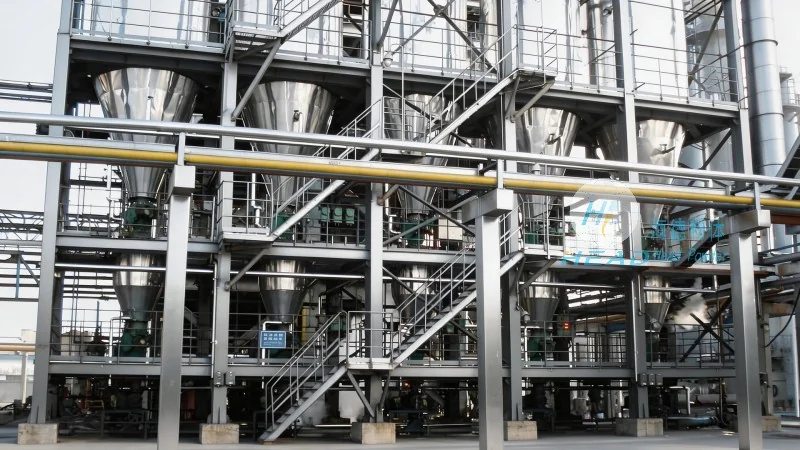
Key Design Considerations for Wood Dust Pneumatic Conveying
The successful implementation of a wood dust pneumatic conveying system begins with a thorough analysis of the material characteristics. Wood dust typically has a low bulk density and can be prone to static electricity, which may affect flow behavior and system efficiency. Engineers must evaluate parameters such as particle size distribution, moisture content, and abrasiveness to determine the appropriate conveying velocity and pressure. The system layout, including the number of conveying lines, vertical and horizontal runs, and the placement of inlets and outlets, is critical to minimizing pressure losses and ensuring smooth material transport. Additionally, the selection of appropriate air flow rates and pressure levels is essential to prevent blockages and maintain consistent throughput.
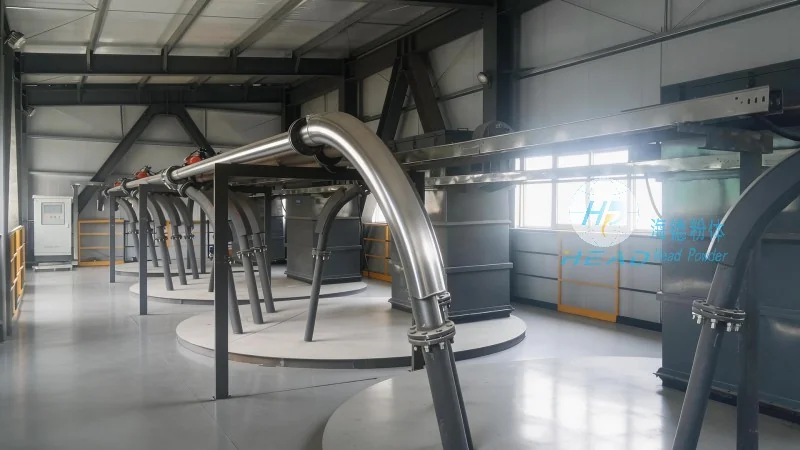
Design Calculation Process for Wood Dust Conveying Systems
Accurate design calculations are fundamental to the performance of wood dust pneumatic conveying systems. The first step involves determining the required conveying velocity, which is typically based on the material's terminal velocity and the desired system efficiency. The formula for calculating the conveying velocity (V) is often derived from the relationship between the material's properties and the air flow characteristics. For wood dust, the terminal velocity (V_t) can be estimated using empirical equations that account for particle size, density, and air properties. Once the conveying velocity is established, the air flow rate (Q) can be calculated using the formula Q = A * V, where A is the cross-sectional area of the conveying line. The pressure drop (ΔP) across the system is then determined by summing the losses from each component, including the inlet, outlet, bends, and straight runs. This calculation helps in selecting the appropriate blower or compressor capacity and the size of the conveying line to ensure sufficient pressure to overcome losses and maintain the desired flow rate.
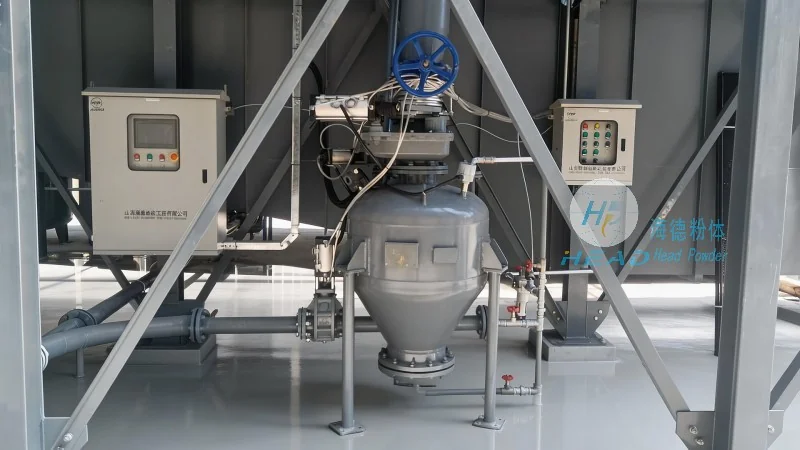
Equipment Selection for Wood Dust Pneumatic Conveying
The selection of equipment for wood dust pneumatic conveying is a critical step that directly impacts system performance and longevity. The primary components include the air source (blower or compressor), conveying lines (piping or flexible hoses), and control devices (valves, filters, and dust collectors). For wood dust, which is abrasive and can generate static electricity, it is essential to choose materials that are resistant to wear and can dissipate static charges. Stainless steel or coated steel piping is commonly used to prevent corrosion and material buildup. The blower or compressor must be capable of delivering the required air flow and pressure, with options such as rotary lobe blowers or centrifugal compressors being suitable for different system requirements. Additionally, the inclusion of dust filters and cyclone separators is crucial to maintain air quality and protect downstream equipment from dust accumulation. The selection of these components should be based on the specific characteristics of the wood dust and the operational conditions of the system.
Case Study: Customized Wood Dust Pneumatic Conveying Solutions by Shandong HeadPowder Engineering Co., Ltd.
Shandong HeadPowder Engineering Co., Ltd., a leading provider of pneumatic conveying solutions, specializes in designing and manufacturing customized systems tailored to the unique needs of wood dust processing facilities. With years of experience in the industry, the company's engineers work closely with clients to analyze their specific material handling challenges and develop optimal solutions. For example, a recent project involved the design of a pneumatic conveying system for a woodworking plant in China, where the goal was to transport wood dust from the production floor to a central storage silo while maintaining high efficiency and safety standards. The HeadPowder team conducted a detailed analysis of the wood dust properties, including particle size distribution and moisture content, and performed comprehensive design calculations to determine the appropriate conveying velocity and air flow rate. The resulting system incorporated stainless steel conveying lines, a high-efficiency rotary lobe blower, and a cyclone separator to ensure reliable operation and minimal maintenance. The client reported significant improvements in material handling efficiency and reduced dust-related safety risks after the system was installed.
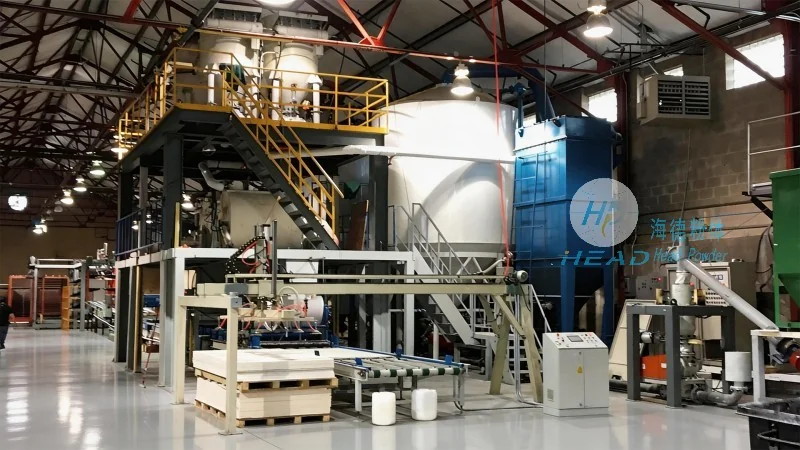
Conclusion and Recommendations
Designing and selecting the right equipment for wood dust pneumatic conveying systems requires a combination of technical expertise and practical experience. By carefully considering material properties, system layout, and equipment selection, engineers can develop efficient and safe conveying solutions that meet the specific needs of wood dust processing facilities. Shandong HeadPowder Engineering Co., Ltd. offers comprehensive services, including design, manufacturing, and installation of customized pneumatic conveying systems, to help clients achieve their material handling goals. Whether you are a new woodworking facility or an existing one looking to upgrade your conveying system, partnering with a reputable provider like HeadPowder can ensure that your wood dust is handled effectively and safely.