Iron concentrate powder pneumatic conveying equipment is a critical component in material handling systems, especially in industrial settings where fine powders like iron concentrate need to be transported efficiently. This equipment leverages air as the conveying medium, enabling the movement of bulk materials through a pipeline network. The primary advantages include dust-free operation, flexible system layout, and efficient material transfer. The fundamental principle of pneumatic conveying involves creating a pressure differential or utilizing vacuum to transport the powder, ensuring safe and effective movement from the source to the destination. Shandong HeadPowder Engineering Co., Ltd., a leading provider of industrial material handling solutions, specializes in designing and manufacturing such equipment tailored to diverse industrial needs.
Working Principle of Iron Concentrate Powder Pneumatic Conveying Machines
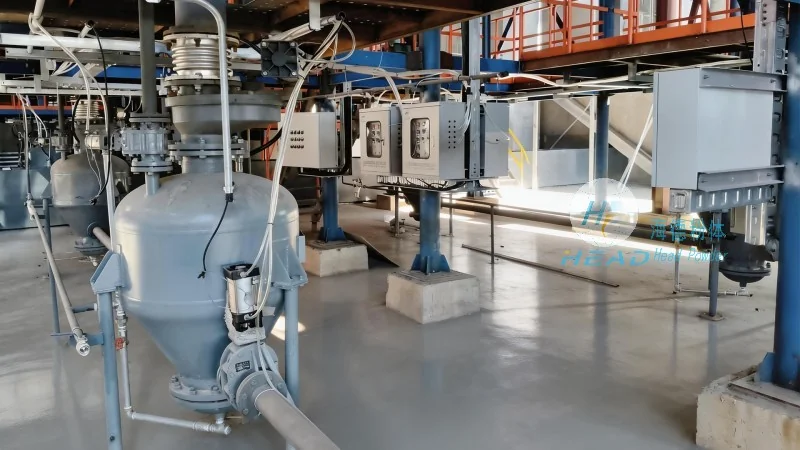
The operation of iron concentrate powder pneumatic conveying systems is grounded in fluid dynamics and material transport principles. Two main types exist: pressure and vacuum systems. Pressure systems use compressed air to push the material through the pipeline, while vacuum systems employ a vacuum to draw the material into the pipeline. For iron concentrate powders, which are typically fine and abrasive, the system type is selected based on factors such as transport distance, required flow rate, and material properties. The equipment generally consists of a hopper for material storage, a feeder to control flow rate, a conveying line, and a receiver to collect material at the end. The feeder is essential for maintaining consistent material flow, preventing blockages, and ensuring system efficiency. The conveying line is designed with appropriate diameters and bends to minimize pressure loss and material degradation. The receiver is equipped with filters to capture fine particles and prevent dust emissions, complying with environmental regulations. The entire system operates by creating a pressure or vacuum gradient that propels the iron concentrate powder through the pipeline, utilizing the kinetic energy of the air to move the material.
Key Working Scene Characteristics of Iron Concentrate Powder Pneumatic Conveying Systems
The application scenarios for iron concentrate powder pneumatic conveying equipment span multiple industries. In mining and mineral processing, these systems are used to transport iron concentrate from storage silos to processing plants or for interplant transfer between production units. The ability to handle fine powders without segregation is a significant advantage, as iron concentrate requires uniform processing. In the steel industry, pneumatic conveying is employed to move iron concentrate to blast furnaces or other processing equipment, where consistent material supply is vital for production efficiency. The systems are also utilized in chemical and fertilizer plants, where iron concentrate serves as a raw material for producing iron-based compounds. Another key characteristic is the flexibility in layout, as pneumatic conveying lines can be installed in various configurations—vertical, horizontal, or a combination—to fit spatial constraints and integrate with existing infrastructure. This flexibility allows for efficient space utilization and seamless integration with other processes. Additionally, the dust-free operation of pneumatic conveying systems is a major benefit in environments where dust control is essential, such as indoor processing facilities or where material handling needs to be integrated without causing contamination.
Technical Advantages and Considerations for Iron Concentrate Powder Pneumatic Conveying
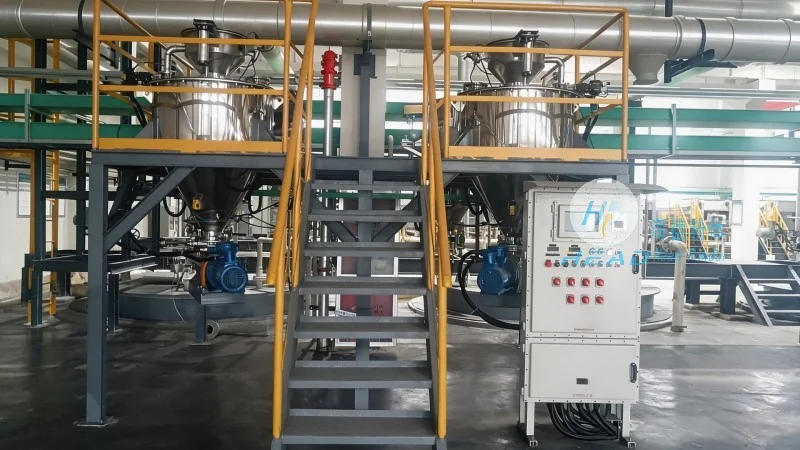
When implementing iron concentrate powder pneumatic conveying systems, several technical advantages and considerations must be evaluated. One primary advantage is the ability to handle abrasive materials like iron concentrate without significant wear on equipment components. The design of the conveying line, including wear-resistant materials and appropriate pipe diameters, helps minimize wear and extend service life. Another advantage is reduced material contamination risk, as the enclosed system prevents exposure to external elements and cross-contamination. However, the system has considerations related to energy consumption, as pneumatic conveying can be energy-intensive, especially for long-distance or high-volume transport. The choice of air pressure and flow rate is critical in optimizing energy use while maintaining required material flow rates. Furthermore, maintenance requirements must be considered, as components like the feeder, filters, and conveying line may need regular inspection and replacement to ensure continuous operation. The environmental impact, including dust emissions and energy use, is also a factor, with modern systems incorporating advanced filtration and energy-efficient designs to minimize ecological footprint.
Application Examples and Industry Integration
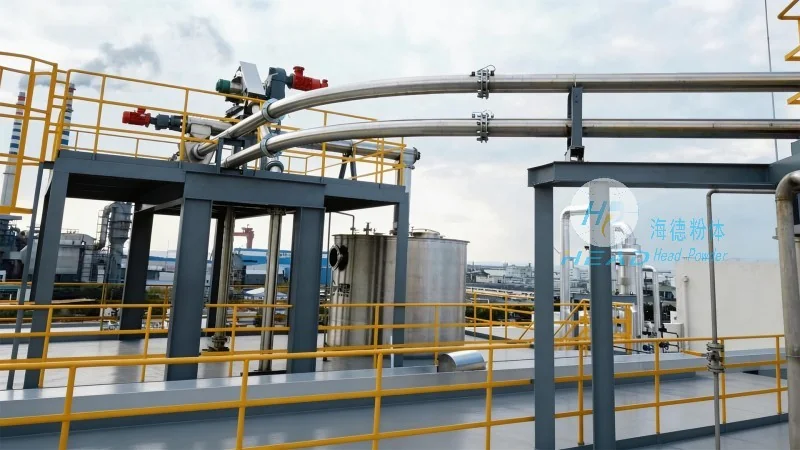
Real-world applications of iron concentrate powder pneumatic conveying equipment illustrate its versatility and effectiveness. For example, in a mining operation, the system may transport iron concentrate from a mine site to a processing plant located several kilometers away using a pressure system with high-pressure air supply. In a steel mill, the system is integrated with raw material handling, ensuring a steady supply of iron concentrate to the blast furnace. The integration with other equipment, such as crushers and screens, is seamless, as the pneumatic conveying line can connect directly to these units without manual handling. Another example is in a chemical plant where iron concentrate is used as a raw material for iron-based fertilizers. A vacuum system is used to transport the powder from storage silos to mixing and reaction units, maintaining a clean and controlled environment. These examples highlight how the equipment can be tailored to specific industrial needs, providing customized solutions that enhance operational efficiency and productivity. Shandong HeadPowder Engineering Co., Ltd. has successfully implemented such systems in various industrial settings, demonstrating the equipment's reliability and performance.
Conclusion and Future Developments
In conclusion, iron concentrate powder pneumatic conveying equipment plays a vital role in modern industrial material handling, offering efficient, flexible, and dust-free transport solutions. The working principle, based on fluid dynamics and material transport, enables safe and effective movement of fine powders like iron concentrate. The key working scene characteristics, including layout flexibility, ability to handle abrasive materials, and reduced contamination risk, make these systems suitable for diverse applications. While there are considerations related to energy consumption and maintenance, advancements in technology continue to improve system efficiency and reliability. As industrial processes evolve, the demand for advanced material handling solutions will likely drive further innovations in pneumatic conveying technology, including more energy-efficient designs, improved wear resistance, and enhanced integration with other industrial systems. The continued development of such equipment will ensure its relevance and importance in the future of industrial material processing. Shandong HeadPowder Engineering Co., Ltd. remains at the forefront of these advancements, providing cutting-edge solutions for industrial material handling needs.




