HeadPowder, a leading engineering company based in Shandong, China, specializes in the design and implementation of advanced material handling solutions. One of their core offerings is the pneumatic conveying line specifically engineered for diatomite powder, a lightweight and porous sedimentary rock widely used in filtration, insulation, and other industrial applications. This article explores the fundamental principles behind such systems and highlights the key characteristics of their working environments.
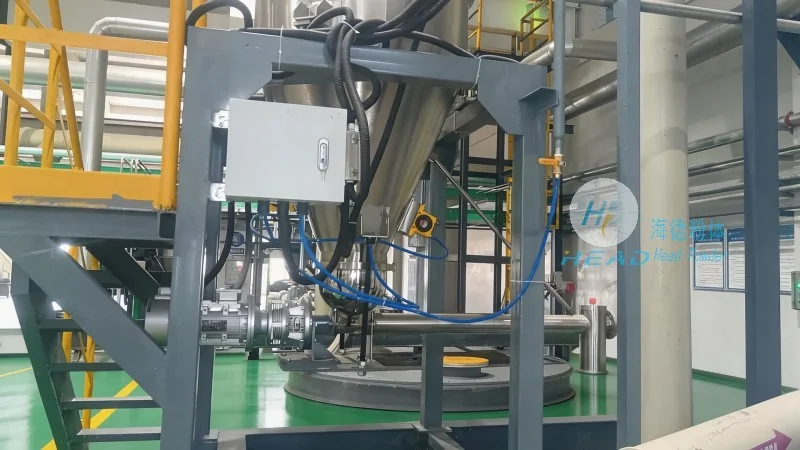
Understanding Pneumatic Conveying: The Core Mechanism
Pneumatic conveying systems utilize air or gas to transport bulk materials like diatomite powder through a network of pipes. Unlike traditional mechanical conveying methods, which rely on belts, buckets, or screws, pneumatic systems offer a more flexible and efficient approach for handling fine powders. The process typically involves either a pressure or vacuum system. In pressure systems, compressed air is used to push the material through the pipeline, while vacuum systems draw the material into the line using suction. For diatomite powder, which is often light and can be prone to dusting, a pressure system is commonly preferred as it provides better control over the material flow and minimizes the risk of clogging or degradation.
Key Working Scene Characteristics of Diatomite Powder Pneumatic Conveying Lines
The operational environment of diatomite powder pneumatic conveying lines is characterized by several distinct features that impact their design and performance. First, the material's physical properties—such as its low bulk density and high dust potential—require specialized equipment to ensure efficient and safe transport. The systems are engineered to handle these characteristics by using appropriate air velocities and pipe diameters, preventing material settling or blockages. Second, the working scenes often involve multiple stages of material processing, from raw diatomite extraction to final product packaging. The conveying line must integrate seamlessly with other industrial equipment, such as crushers, classifiers, and storage silos, to maintain a continuous production flow. This integration is crucial for optimizing production efficiency and reducing downtime.
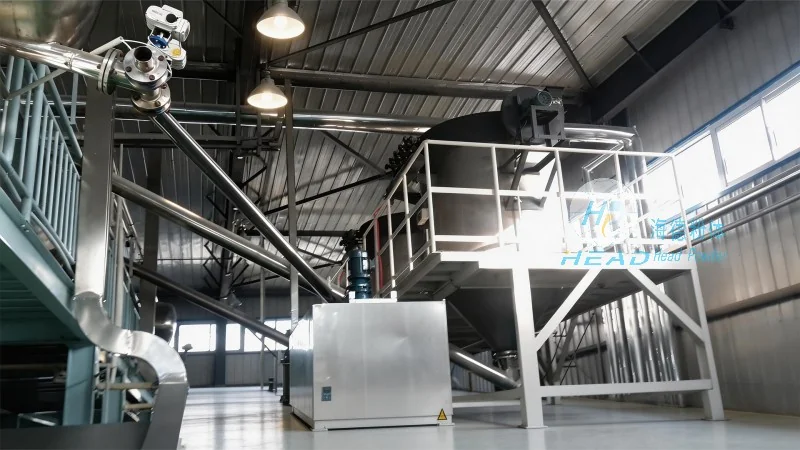
Third, the safety considerations in these working environments are paramount. Diatomite powder, while generally non-toxic, can cause respiratory issues if inhaled in large quantities. Therefore, the pneumatic conveying systems are equipped with dust collection and filtration systems to minimize airborne particles. Additionally, the systems are designed with explosion-proof components where necessary, especially in environments where the powder may accumulate and pose a fire risk. These safety measures ensure that the operation complies with industrial safety standards and protects both personnel and equipment.
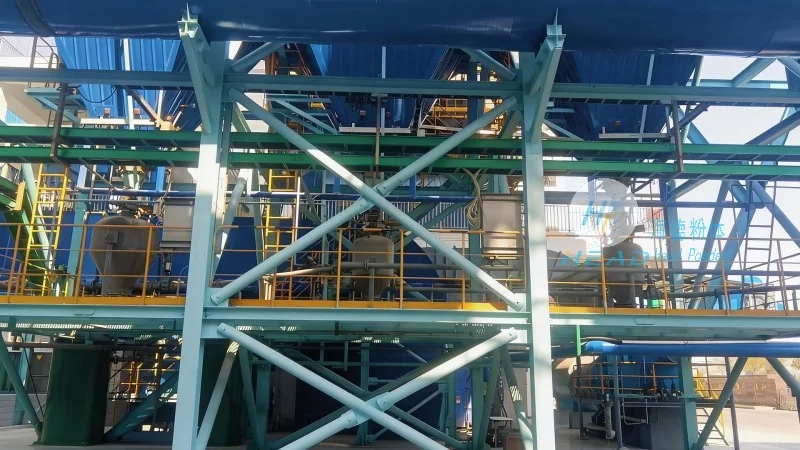
Applications and Industry-Specific Benefits
The versatility of diatomite powder pneumatic conveying lines makes them suitable for a wide range of industries. In the filtration industry, for example, the material is used to produce diatomaceous earth filters, and the conveying line efficiently transports the powder from storage to the filtration plant. In the construction sector, diatomite is used as an insulating material, and the system ensures that the powder is delivered to mixing facilities without loss or contamination. The benefits of using such systems extend beyond efficiency; they also contribute to cost savings by reducing material handling time and minimizing waste. By maintaining a consistent flow rate and preventing material degradation, the systems help manufacturers achieve higher product quality and reduce operational costs.
Conclusion: Tailored Solutions for Optimal Performance
HeadPowder's expertise in designing pneumatic conveying lines for diatomite powder reflects a deep understanding of both the material's properties and the specific requirements of industrial applications. By combining advanced engineering principles with practical experience, the company provides customized solutions that meet the unique needs of each client. Whether it's optimizing production flow, enhancing safety, or improving overall efficiency, the diatomite powder pneumatic conveying lines from HeadPowder are engineered to deliver reliable and effective performance in diverse working environments. As industries continue to seek more efficient material handling solutions, these systems remain a critical component in modern manufacturing processes.




