HeadPowder, a leading engineering firm based in Shandong, China, specializes in the design, manufacturing, and installation of advanced material handling systems. The company's expertise lies in providing customized solutions for various industrial applications, with a strong focus on efficient and reliable pneumatic conveying technologies.
Principle of Pneumatic Conveying Lines for Glass Bead Materials
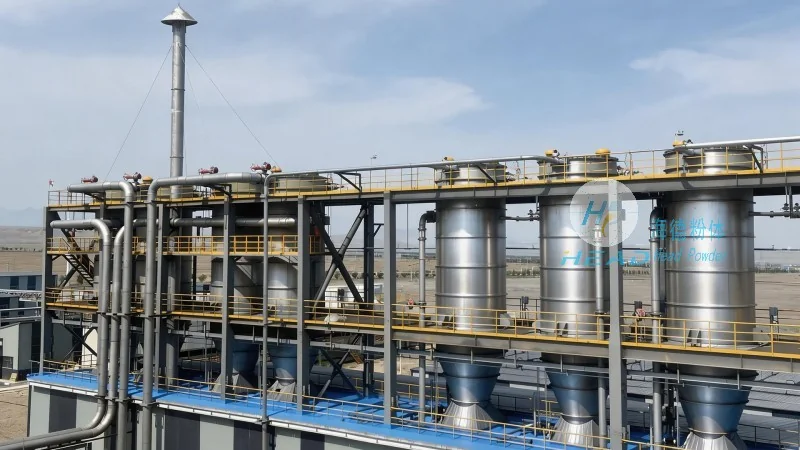
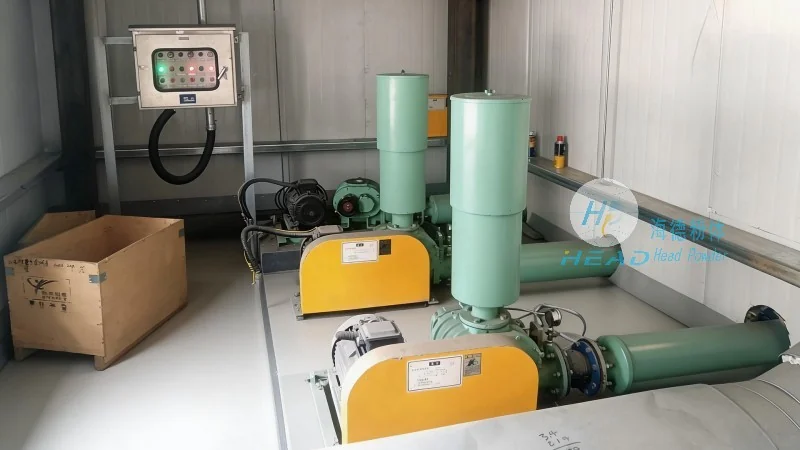
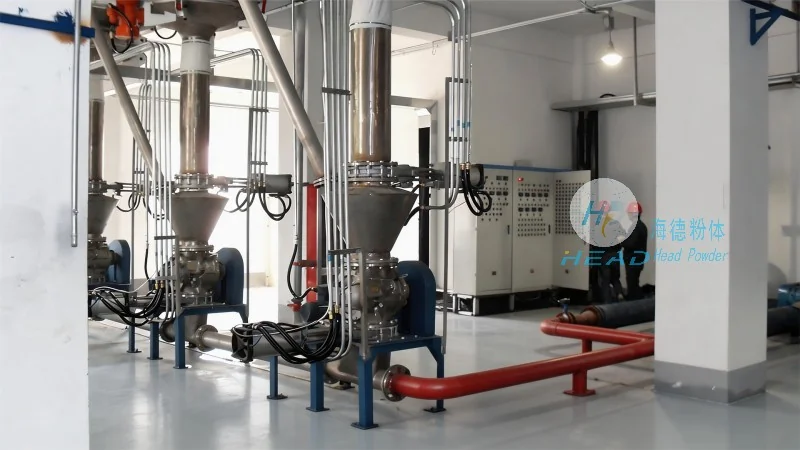
Pneumatic conveying lines operate by utilizing air as the primary medium to transport bulk materials like glass beads. The system typically consists of a series of components, including a hopper for material storage, a feeder to control the flow rate, a pipeline network, and a receiver to collect the conveyed material. The process begins when the glass beads are fed into the system, where they are entrained by high-velocity air flowing through the pipeline. This air-glass bead mixture travels through the system under pressure or vacuum, depending on the specific design requirements. The key to efficient operation lies in maintaining optimal air velocity and pressure to ensure the material is transported without clogging or degradation. The system may also incorporate features such as cyclones or filters to separate the air from the glass beads at the receiver end, ensuring clean and dry material delivery. Pneumatic conveying systems can be categorized into two main types: positive pressure and negative pressure systems. Positive pressure systems use compressed air to push the material through the pipeline, while negative pressure systems use vacuum to draw the material into the system. For glass bead materials, positive pressure systems are often preferred due to their ability to handle abrasive particles and maintain higher flow rates. The system design involves selecting the appropriate air velocity, which is typically between 20 to 30 meters per second for glass beads, to ensure efficient transport without excessive energy consumption. The pipeline diameter and length are also critical factors, as they directly impact the pressure drop and overall system performance. Proper sizing of the components, such as the feeder and receiver, is essential to prevent material buildup and ensure smooth operation.
Working Scene Characteristics of Glass Bead Pneumatic Conveying Lines
The working scene characteristics of glass bead pneumatic conveying lines are tailored to meet the specific demands of industrial environments. These systems are designed to handle the unique properties of glass beads, such as their small particle size, irregular shapes, and potential for static charge accumulation. The design considerations include the need for low-pressure operation to prevent particle breakage and the use of appropriate materials for the pipeline and components to avoid corrosion or abrasion. In industrial settings, these conveying lines are commonly used in manufacturing processes where glass beads are required for applications like coating, insulation, or as a filler in composite materials. The systems are often integrated with other production equipment, such as mixers or extruders, to ensure a seamless flow of materials from one stage to the next. The working scene also emphasizes the importance of maintaining consistent material flow rates and air pressure to avoid disruptions in the production line. Additionally, the systems are designed for easy maintenance and cleaning, which is crucial in industries where material contamination must be minimized. Industrial applications of glass bead pneumatic conveying lines span across various sectors, including automotive, construction, and electronics. In the automotive industry, glass beads are used as a coating material for automotive parts, requiring precise and consistent delivery to ensure uniform coating thickness. The conveying lines are designed to handle high volumes of glass beads while maintaining low particle loss and contamination. In the construction industry, glass beads are used as a lightweight aggregate in concrete and insulation materials, where the system must be capable of transporting large quantities over longer distances. The working scene in these applications emphasizes the need for durability and reliability, as any downtime can lead to significant production losses. The systems are also equipped with monitoring and control features, such as pressure sensors and flow meters, to provide real-time feedback on the system's performance and allow for immediate adjustments if needed.




