HeadPowder, a leading manufacturer based in Shandong, China, specializes in the design and production of pneumatic conveying systems tailored for soda ash applications. This article delves into the fundamental principles of soda ash material pneumatic conveying machines and highlights key working scene characteristics that define their operational efficiency and suitability in industrial settings.
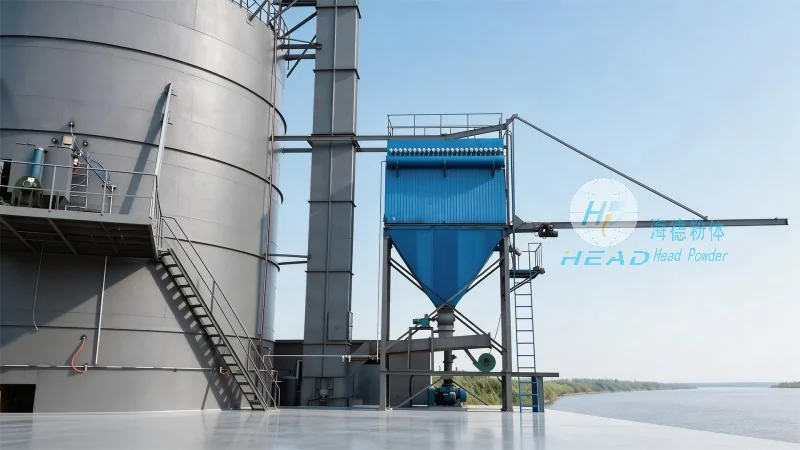
Principle of Soda Ash Material Pneumatic Conveying Machines
Soda ash, also known as sodium carbonate, is a widely used chemical in various industries, including glass manufacturing, chemical production, and water treatment. The pneumatic conveying system for soda ash operates on the principle of transporting bulk materials through a pipeline using a gas stream, typically air or a combination of air and other gases. The core mechanism involves creating a pressure differential within the pipeline, which propels the material from the source to the destination. There are two primary types of pneumatic conveying systems: pressure and vacuum systems. Pressure systems use compressed air to push the material, while vacuum systems create a negative pressure to draw the material. For soda ash, which is often handled in large quantities and requires efficient, dust-free transport, pressure systems are commonly preferred due to their ability to handle higher material loads and maintain consistent flow rates.
The process begins with the material being fed into a hopper or feeder, where it is then introduced into the conveying line. A fan or blower generates the necessary air flow, and the material is entrained by the gas stream. The mixture of material and air travels through the pipeline, with the air velocity maintained above the material's terminal velocity to ensure proper transport. At the receiving end, the material is separated from the air through a separator or cyclone, and the air is either filtered and recirculated or released to the atmosphere. This method eliminates the need for mechanical components like belts or buckets, reducing maintenance and operational costs while providing a clean and efficient way to move soda ash between processing units.
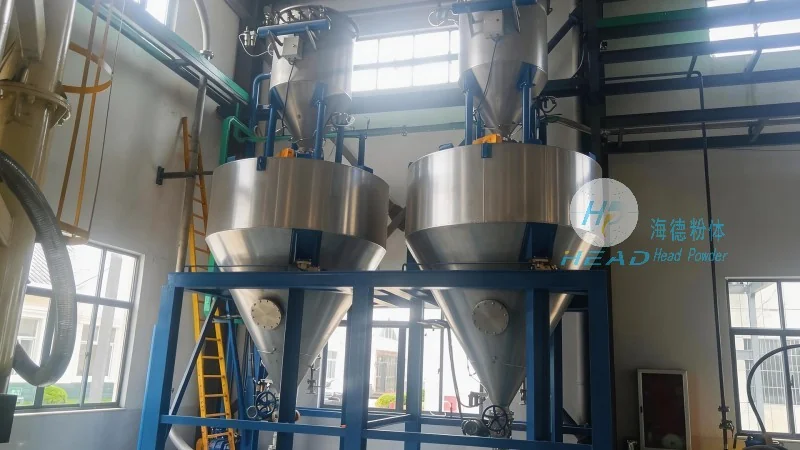
Working Scene Characteristics of Soda Ash Pneumatic Conveying Systems
The working scene characteristics of soda ash pneumatic conveying machines are tailored to meet the specific demands of industrial environments where soda ash is processed. These characteristics include high material throughput, minimal dust generation, and adaptability to different process requirements. In glass manufacturing plants, for example, soda ash is a critical raw material used in the production of glass containers and architectural glass. The pneumatic conveying system must be capable of handling large volumes of soda ash, often in the range of several tons per hour, while maintaining a consistent flow to the melting furnace. The system's design ensures that the material is conveyed without degradation, preserving its quality for the glass-making process.
In chemical production facilities, soda ash is used as an intermediate in the synthesis of other chemicals, such as sodium bicarbonate and sodium silicate. The conveying system must be compatible with the chemical properties of soda ash, which can be abrasive and corrosive to some equipment. HeadPowder's systems are constructed using materials like stainless steel and special coatings to withstand the corrosive nature of soda ash and prevent material buildup. This ensures long-term durability and minimal downtime for maintenance.
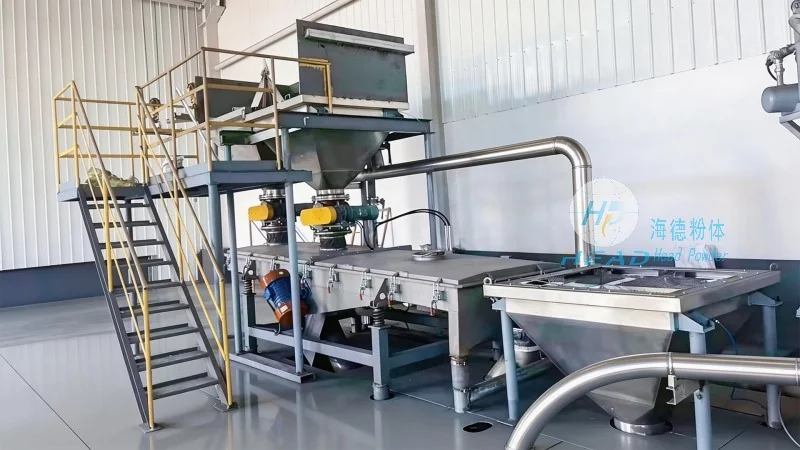
Another key characteristic is the system's ability to handle varying particle sizes and moisture content. Soda ash can be supplied in different forms, including granules, powders, or lumps, and the conveying system must be able to accommodate these variations without clogging or loss of efficiency. The design of the hopper and feeder in the system allows for uniform material feeding, preventing blockages and ensuring smooth operation. Additionally, the system's control mechanisms enable precise regulation of the air flow and material feed rate, allowing operators to adjust the conveying speed according to production needs.
Operational Advantages and Industrial Applications
The operational advantages of soda ash material pneumatic conveying machines make them a preferred choice in various industrial applications. One of the primary benefits is the elimination of manual handling, which reduces labor costs and minimizes the risk of accidents associated with handling bulk materials. The system also provides a dust-free environment, which is crucial in industries where dust can affect product quality or pose health hazards. For example, in food processing or pharmaceutical industries, even trace amounts of soda ash dust can contaminate products, making pneumatic conveying an essential solution.
Another advantage is the system's flexibility in layout. Since the conveying lines can be installed in various configurations, including vertical and horizontal runs, the system can be adapted to existing plant layouts without major structural changes. This allows for efficient use of space and integration with other processing equipment. The compact design of the conveying units also reduces the footprint of the system, making it suitable for both new installations and retrofitting in existing facilities.
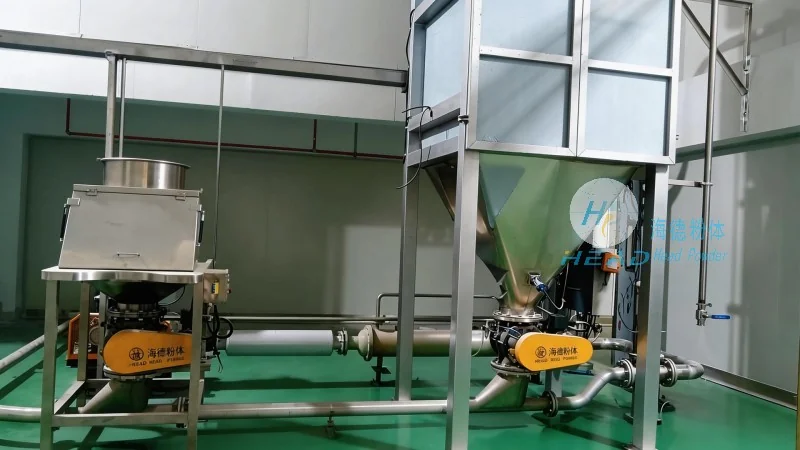
In terms of industrial applications, soda ash pneumatic conveying systems are widely used in the chemical, glass, and water treatment industries. In the chemical industry, they are used to transport soda ash between reactors and storage tanks, ensuring a continuous supply of raw material. In the glass industry, the system delivers soda ash directly to the melting furnace, where it is mixed with other raw materials to produce glass. In water treatment plants, soda ash is used to adjust the pH levels of water, and the conveying system ensures that the material is added to the treatment process efficiently and accurately.
Conclusion
HeadPowder's soda ash material pneumatic conveying machines represent a sophisticated solution for the efficient and reliable transport of soda ash in industrial settings. By leveraging the principles of pneumatic conveying and incorporating advanced design features, these systems offer high throughput, minimal maintenance, and adaptability to diverse process requirements. With a strong presence in Shandong, China, HeadPowder continues to provide tailored solutions that meet the evolving needs of industries relying on soda ash as a critical component. The working scene characteristics and operational advantages of these machines make them an indispensable part of modern industrial operations, ensuring consistent performance and cost-effectiveness in material handling.




