Shandong HeadPowder Engineering Co., Ltd., a leading manufacturer based in Shandong, China, specializes in the design, production, and supply of advanced material handling equipment. Among their product portfolio, the stainless steel bulk bag pneumatic conveying system stands out as a highly efficient solution for transporting bulk materials. This article provides an overview of the system's structure and operational principles, highlighting its key components and how they work together to ensure reliable and hygienic material transfer.
Key Components of the Stainless Steel Bulk Bag Pneumatic Conveying System
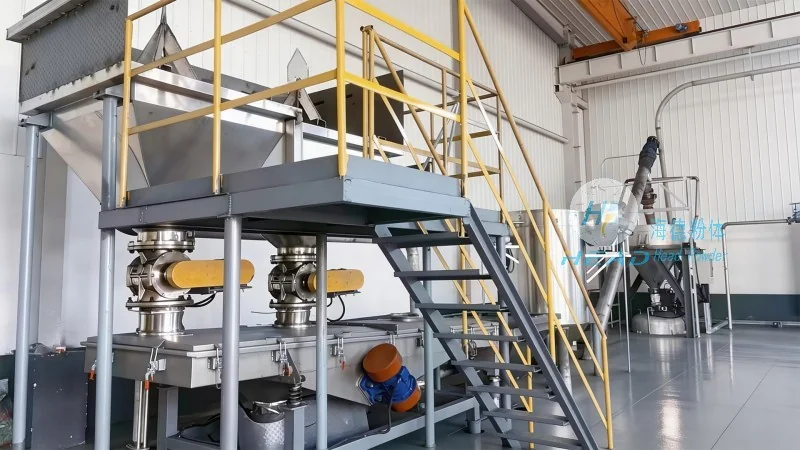
The stainless steel bulk bag pneumatic conveying system is composed of several critical components that work in concert to facilitate the movement of bulk materials from the source to the destination. The primary components include the bulk bag itself, the hopper or loading chamber, the airlock or rotary valve, the conveying line, and the receiving hopper or storage container. Each component plays a vital role in the overall functionality of the system.
The bulk bag, typically made from high-quality, food-grade stainless steel, serves as the container for the bulk material. Its design ensures durability, resistance to corrosion, and compliance with sanitary standards, making it suitable for handling a wide range of materials, including powders, granules, and fine particles. The bag is usually equipped with a top spout and a bottom discharge valve, allowing for easy loading and unloading of the material.
The hopper or loading chamber is positioned above the bulk bag and is responsible for receiving the material from the source, such as a silo or a truck. It is designed to ensure a smooth and controlled flow of material into the bag, preventing blockages and ensuring consistent feeding. The hopper may include a vibratory feeder or a screw conveyor to regulate the flow rate and maintain a steady supply of material.
The airlock or rotary valve is a crucial component that controls the discharge of material from the bulk bag. It operates by creating a sealed environment, preventing dust and material from escaping into the air. The airlock typically consists of a series of chambers that open and close sequentially, allowing material to pass through while maintaining a pressure differential. This mechanism ensures that the material is discharged in a controlled manner, without any spillage or contamination.
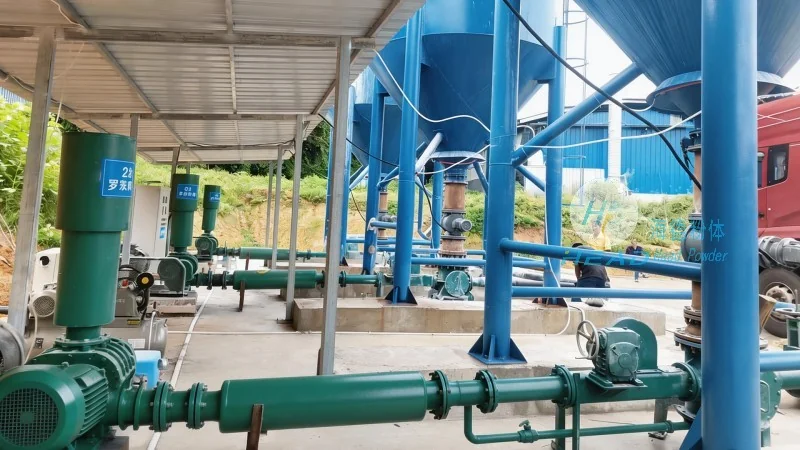
The conveying line, usually made from stainless steel or other corrosion-resistant materials, is responsible for transporting the material from the loading chamber to the receiving hopper. The line may include a series of bends, elbows, and filters to ensure that the material is conveyed efficiently and without any blockages. The air used for conveying is typically filtered to remove any dust or particles that may be present in the material, ensuring a clean and safe operation.
The receiving hopper or storage container is positioned at the end of the conveying line and is responsible for collecting the material after it has been transported. It is designed to accommodate the volume of material being conveyed and may include a discharge valve or a screw conveyor to transfer the material to the next stage of processing.
Working Principles of the Stainless Steel Bulk Bag Pneumatic Conveying System
The operation of the stainless steel bulk bag pneumatic conveying system is based on the principle of pneumatic conveying, which uses compressed air to transport bulk materials through a pipeline. The process begins with the loading of the bulk bag with the material from the hopper or loading chamber. Once the bag is filled, the top spout is closed, and the airlock is activated to seal the bag and prevent any material from escaping.
Next, the compressed air is introduced into the conveying line, creating a pressure differential between the loading chamber and the receiving hopper. The air flows through the line, carrying the material particles with it. The material is transported in a suspended state, with the air velocity sufficient to keep the particles airborne and prevent them from settling or clogging the line.
As the material travels through the conveying line, it passes through various components, such as bends and filters, which help to maintain the flow and ensure that the material is conveyed efficiently. The receiving hopper is positioned at the end of the line, and the material is discharged into it as the air pressure decreases. The air is then vented from the system, and the process repeats for the next batch of material.
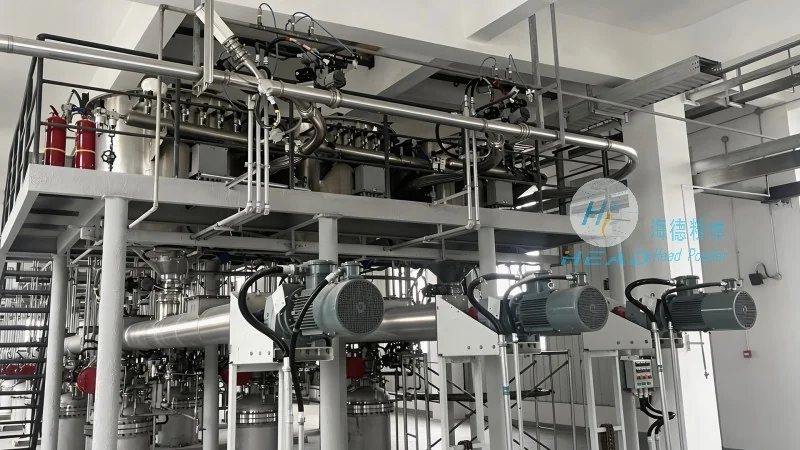
The system operates in a continuous or batch mode, depending on the application requirements. In continuous mode, the material is fed continuously into the bulk bag, and the conveying process is ongoing. In batch mode, the material is loaded into the bag in batches, and the conveying process is performed after each batch is filled.
Advantages of the Stainless Steel Bulk Bag Pneumatic Conveying System
The stainless steel bulk bag pneumatic conveying system offers several advantages over traditional material handling methods. One of the key advantages is its ability to handle a wide range of materials, including powders, granules, and fine particles, without the need for manual handling or mechanical equipment. This reduces the risk of material contamination and improves the overall safety of the operation.
Another advantage is the hygienic design of the system, which is particularly important in industries such as food, pharmaceuticals, and chemicals. The stainless steel construction ensures that the system is easy to clean and maintain, reducing the risk of bacterial growth and contamination. The airlock and other components are designed to prevent dust and material from escaping into the environment, ensuring a clean and safe working environment.
The system also offers high efficiency and reliability. The pneumatic conveying process is fast and effective, with minimal downtime and maintenance requirements. The stainless steel components are durable and resistant to corrosion, ensuring a long service life. Additionally, the system can be easily integrated with other equipment, such as silos, storage tanks, and processing machinery, to create a complete material handling solution.




