For industrial applications involving the transport of solid caustic soda, the pneumatic conveying system offers an efficient and reliable solution. This article provides an overview of the solid caustic soda pneumatic conveying line, detailing its structural components and the underlying principles of its operation. The system is designed to handle the unique properties of solid caustic soda, ensuring safe and effective material transfer in various industrial settings.
Key Structural Components of the Pneumatic Conveying System
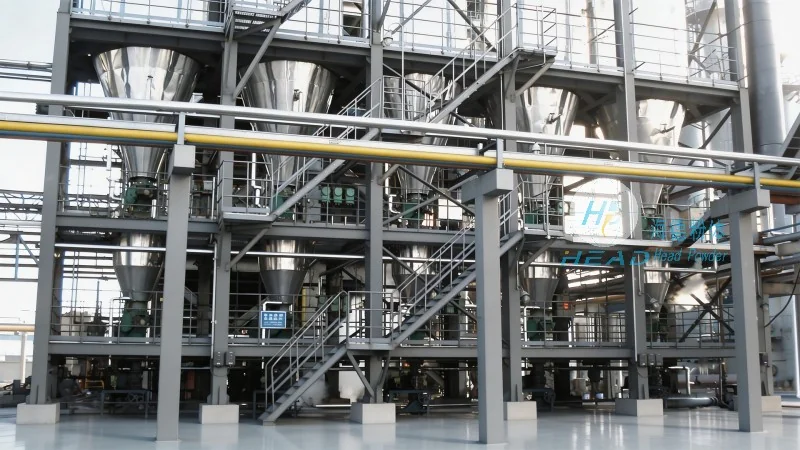
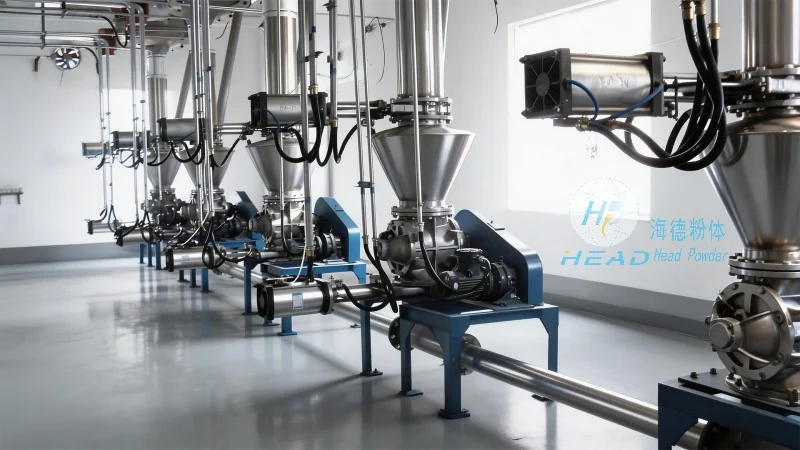
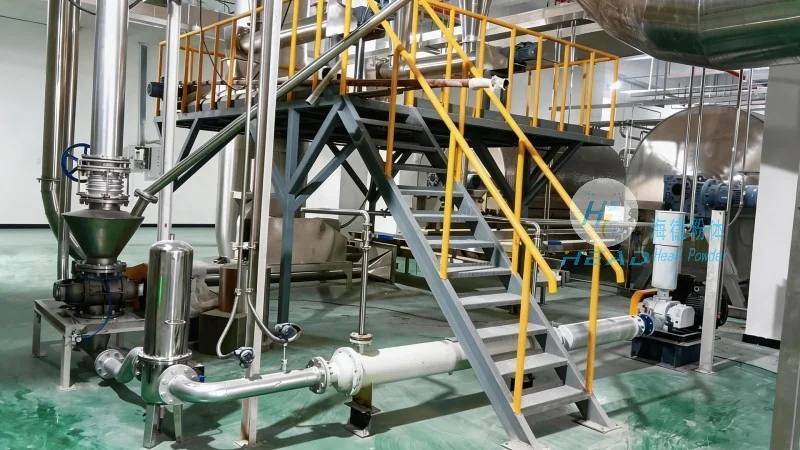
The solid caustic soda pneumatic conveying line consists of several critical components that work in tandem to facilitate material transport. These components include the material hopper, which serves as the storage and feeding unit, equipped with a rotary valve or feeder to control the flow of caustic soda. The conveying pipeline, typically made of corrosion-resistant materials such as stainless steel or special alloys, is designed to withstand the chemical properties of caustic soda and prevent leakage or degradation. The pipeline system may include bends, elbows, and straight sections, with appropriate fittings to maintain consistent air flow and pressure. Additionally, the system incorporates a dust collector or filter unit to capture any airborne particles and ensure environmental compliance. The air supply system, including a blower or compressor, generates the necessary air pressure to propel the material through the pipeline. The control panel, equipped with sensors and valves, allows for real-time monitoring and adjustment of the conveying process, ensuring optimal performance and safety.
Working Principle of the Pneumatic Conveying Process
The operation of the solid caustic soda pneumatic conveying line is based on the principle of pneumatic transport, where material is suspended and transported by a stream of air. The process begins with the material being fed from the hopper into the conveying pipeline. The rotary valve or feeder regulates the flow rate, ensuring a consistent supply of caustic soda. Simultaneously, the blower or compressor generates high-pressure air, which is introduced into the pipeline at the inlet. As the air flows through the pipeline, it creates a low-pressure zone that draws the caustic soda particles into the air stream. The combination of air velocity and particle size allows the material to be carried through the pipeline to the discharge point. The system may use either positive or negative pressure, depending on the specific application and material characteristics. Positive pressure systems push the material through the pipeline, while negative pressure systems draw the material from the source. The control panel monitors pressure, flow rate, and material level, adjusting the air supply and feeder speed as needed to maintain stable operation. The dust collector at the discharge end captures any fine particles, preventing contamination and ensuring clean material handling.
Advantages of the Solid Caustic Soda Pneumatic Conveying Line
Implementing a solid caustic soda pneumatic conveying line offers several advantages over traditional methods such as belt conveyors or manual handling. The system provides a continuous and automated material transport process, reducing labor costs and improving operational efficiency. The enclosed pipeline design minimizes dust exposure, enhancing workplace safety and compliance with environmental regulations. The corrosion-resistant materials used in the construction of the pipeline and components ensure long-term durability and reduce maintenance requirements. The system's ability to handle high volumes of material with minimal downtime makes it suitable for high-throughput industrial applications. Additionally, the flexibility of the pneumatic conveying system allows for easy integration with existing production lines and the ability to transport materials over long distances without the need for intermediate storage or transfer points.
Application Examples in Industrial Settings
The solid caustic soda pneumatic conveying line is widely used in various industrial sectors, including chemical manufacturing, food processing, and pharmaceutical production. In chemical plants, the system is employed to transport caustic soda from storage tanks to reaction vessels or processing units, ensuring a consistent supply of raw material for production. In food processing facilities, the pneumatic conveying line is used to transport caustic soda for cleaning and sanitization purposes, maintaining hygiene standards while minimizing human exposure to the material. In pharmaceutical manufacturing, the system provides a clean and controlled environment for handling caustic soda, adhering to strict regulatory requirements for product purity and safety. The versatility of the pneumatic conveying line makes it adaptable to different industrial needs, from small-scale operations to large-scale production facilities.
Conclusion and Company Information
The solid caustic soda pneumatic conveying line is a sophisticated and efficient system designed to meet the demands of modern industrial applications. By understanding its structural components and working principles, industries can leverage this technology to enhance operational efficiency, improve safety, and reduce costs. Shandong HeadPowder Engineering Co., Ltd., a leading provider of industrial conveying solutions, specializes in designing and manufacturing customized pneumatic conveying systems tailored to the specific needs of clients. With a focus on quality, reliability, and innovation, the company ensures that its products meet the highest standards of performance and durability. Based in Shandong, China, HeadPowder Engineering Co., Ltd. serves clients globally, providing comprehensive support from system design to installation and maintenance. The company's expertise in handling caustic soda and other corrosive materials makes it a trusted partner for industries seeking reliable material transport solutions.




