

Working Principle and Features of High-Temperature Fly Ash Material Conveying Lines
High-temperature fly ash material conveying lines are critical components in industrial waste management and power generation facilities, designed to safely transport hot ash from boilers or other combustion processes to disposal or utilization sites. Understanding their working principles and key features is essential for optimizing operational efficiency and ensuring compliance with environmental standards.
Company Introduction
Shandong HeadPowder Engineering Co., Ltd., commonly known as HeadPowder, is a leading manufacturer specializing in high-temperature material handling solutions. With a strong focus on innovation and quality, the company has established itself as a trusted provider of advanced conveying systems for industrial applications. HeadPowder’s headquarters is located in Shandong, China, where the company leverages local expertise and resources to develop cutting-edge technologies for its clients.
Working Principle of High-Temperature Fly Ash Conveying Lines
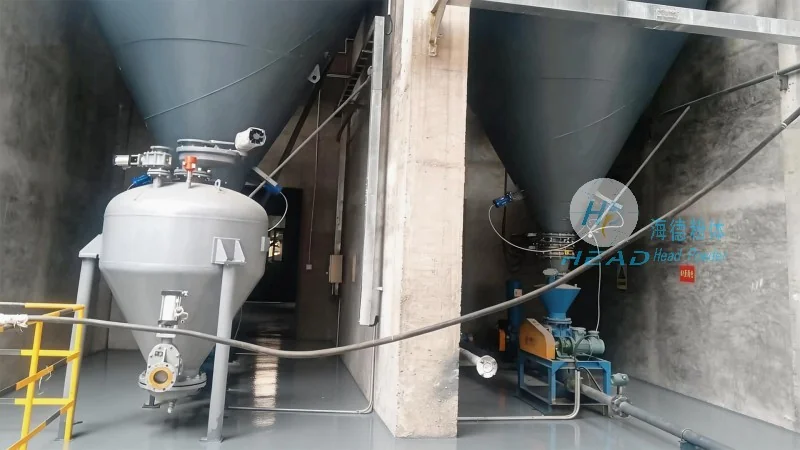
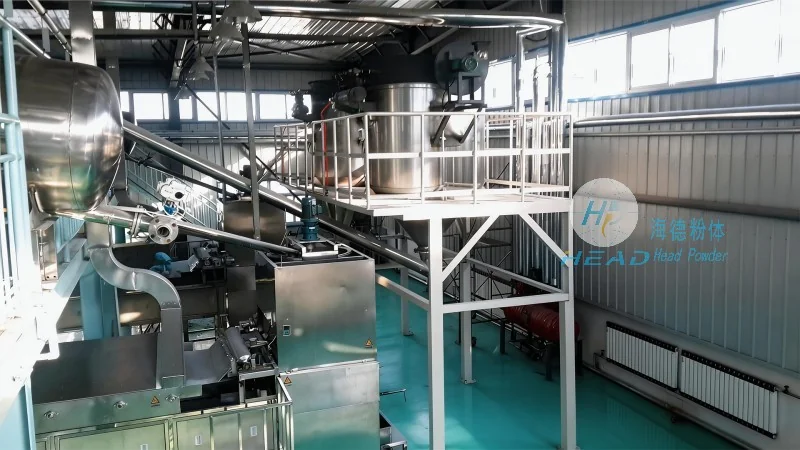
The core working principle of high-temperature fly ash material conveying lines revolves around the efficient and safe transport of hot ash particles under extreme temperature conditions. These systems typically integrate several key components, including high-temperature-resistant conveyor belts, specialized feeding mechanisms, and advanced control systems. The process begins with the collection of hot fly ash from the boiler or furnace, where it is then transferred to the conveying equipment. High-temperature conveyor belts, often made from materials such as PTFE-coated fabrics or heat-resistant rubber, are designed to withstand temperatures exceeding 500°C, ensuring reliable operation without degradation. The feeding mechanism, which may include rotary valves or screw conveyors, evenly distributes the ash onto the conveyor belt, preventing blockages and maintaining consistent flow. A robust drive system, equipped with variable frequency drives (VFDs), adjusts the conveyor speed based on the ash load and temperature, optimizing energy consumption and operational performance. The control system monitors critical parameters such as temperature, speed, and pressure, providing real-time feedback to operators and triggering alarms or shutdowns if abnormal conditions are detected. This integrated approach ensures that the conveying line operates smoothly and safely, even under the most challenging conditions.
Key Features of High-Temperature Fly Ash Conveying Lines
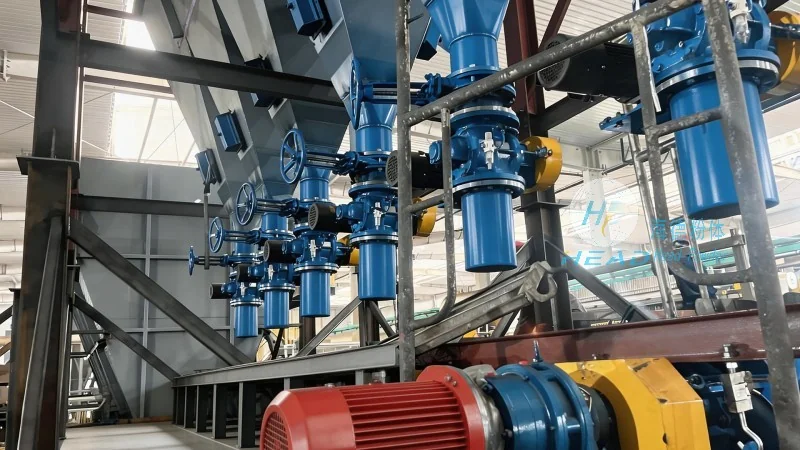
High-temperature fly ash material conveying lines from HeadPowder are characterized by several distinct features that enhance their performance and reliability. First, the systems are engineered with superior heat resistance, utilizing materials like stainless steel, heat-resistant alloys, and PTFE coatings to withstand temperatures up to 650°C, making them suitable for demanding industrial environments. The design incorporates effective sealing mechanisms, such as double-flap or positive-seal valves, to prevent dust leakage and maintain a clean working environment, which is crucial for compliance with environmental regulations. Energy efficiency is another key feature, as the use of VFDs allows for dynamic speed adjustments, reducing energy consumption by up to 30% compared to traditional systems. The modular construction of the conveying lines enables easy installation and maintenance, with components that can be quickly replaced or serviced without extensive downtime. Additionally, the systems are equipped with advanced monitoring and diagnostic tools, providing operators with real-time data on performance and potential issues, thereby improving overall operational efficiency. The combination of these features makes the high-temperature fly ash conveying lines from HeadPowder a reliable and cost-effective solution for industrial waste management.
Application and Benefits
High-temperature fly ash material conveying lines are widely used in power plants, cement factories, and other industrial facilities where the removal of fly ash is essential for maintaining operational efficiency and environmental compliance. The primary benefits of these systems include improved safety by reducing manual handling of hot materials, enhanced energy efficiency through optimized operation, and reduced maintenance costs due to durable components. By effectively transporting fly ash to disposal sites or recycling facilities, these conveying lines contribute to the overall sustainability of industrial operations. HeadPowder’s solutions are tailored to meet the specific needs of each client, ensuring that the conveying line is optimized for the particular application, whether it involves short or long-distance transport, high or low ash temperatures, or varying ash compositions. The company’s commitment to quality and customer satisfaction has made its high-temperature fly ash conveying lines a preferred choice in the industry.