

Working Principle and Features of Cement Auxiliary Material Conveying Lines
For cement production facilities, the efficient and reliable transportation of auxiliary materials is crucial to the overall production process. The cement auxiliary material conveying line, as a key component in the material handling system, plays a vital role in ensuring smooth material flow from storage to processing units. This article will delve into the working principle and key features of such conveying systems, providing a comprehensive understanding of their functionality and benefits.
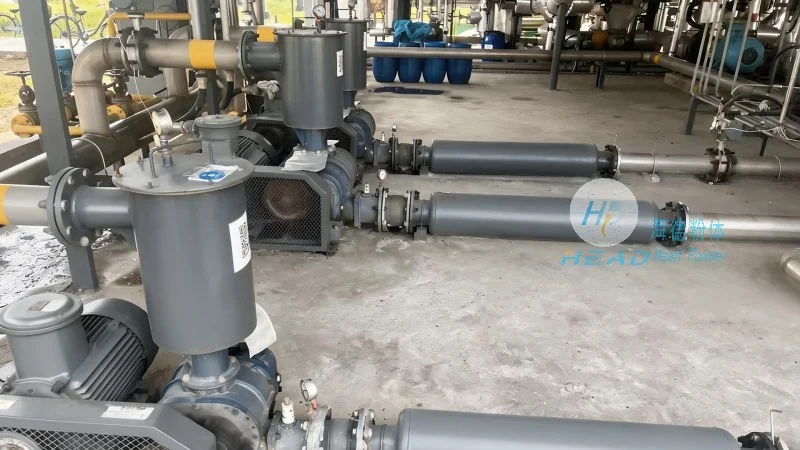
HeadPowder Engineering, a leading provider in the field, specializes in designing and manufacturing high-quality conveying solutions tailored to the specific needs of cement plants. With years of experience and a commitment to innovation, the company has developed advanced systems that enhance productivity and operational efficiency. The following sections will explore how these conveying lines operate and what makes them stand out in the industry.
The Working Principle of Cement Auxiliary Material Conveying Lines
The core of a cement auxiliary material conveying line is its ability to transport bulk materials such as limestone, gypsum, clay, and other additives from storage silos or stockpiles to the grinding mills or other processing equipment. The process typically involves several key components working in tandem:
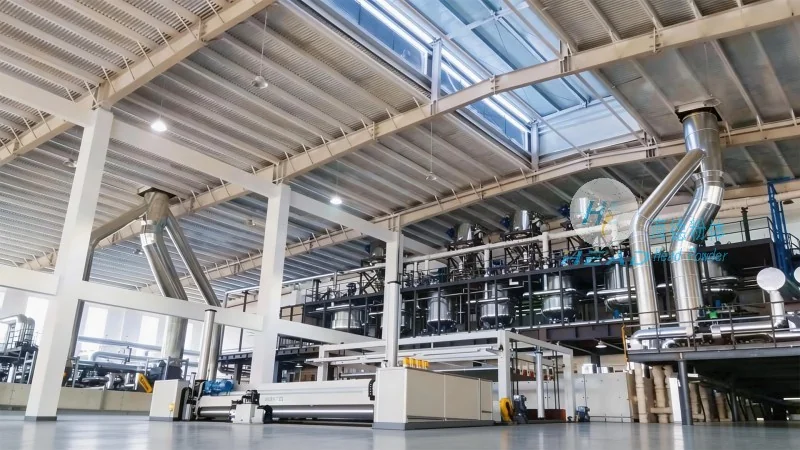
- Feeding Equipment: This includes hoppers, feeders, and sometimes bucket elevators that collect and feed the raw materials into the conveyor system. The design of the feeding equipment is critical to ensure a consistent and controlled flow of material, preventing blockages and maintaining uniformity.
- Conveyor System: The main transport mechanism, which can be a belt conveyor, screw conveyor, or pneumatic conveyor, depending on the material characteristics and plant layout. Belt conveyors are commonly used for heavy-duty applications due to their high load capacity and ability to handle various materials. Screw conveyors are ideal for transporting granular or powdery materials with minimal spillage. Pneumatic conveyors, or air slides, are used for fine powders that require gentle handling to avoid degradation.
- Control System: Modern conveying lines are equipped with sophisticated control systems that monitor and regulate the flow rate, speed, and pressure. These systems use sensors, variable frequency drives (VFDs), and programmable logic controllers (PLCs) to ensure precise control. The control system can adjust the conveyor speed based on real-time demand, optimizing energy consumption and reducing waste.
- Transfer and Dosing Equipment: After the material is conveyed to the processing area, it may need to be transferred to storage silos or directly fed into the grinding mills. Dosing equipment, such as rotary valves or feeders, ensures that the correct amount of material is added to the process, maintaining the required composition of the cement clinker.
Overall, the working principle revolves around the seamless integration of these components to achieve continuous, efficient material transport. The system is designed to handle large volumes of material with minimal downtime, ensuring that the cement production process remains uninterrupted. By automating the material handling process, the conveying line reduces the need for manual labor, minimizes material loss, and improves overall plant safety.
Key Features of Cement Auxiliary Material Conveying Lines
The cement auxiliary material conveying lines offered by HeadPowder Engineering are characterized by several notable features that set them apart from conventional systems. These features are tailored to meet the demanding requirements of modern cement plants, focusing on performance, reliability, and adaptability.
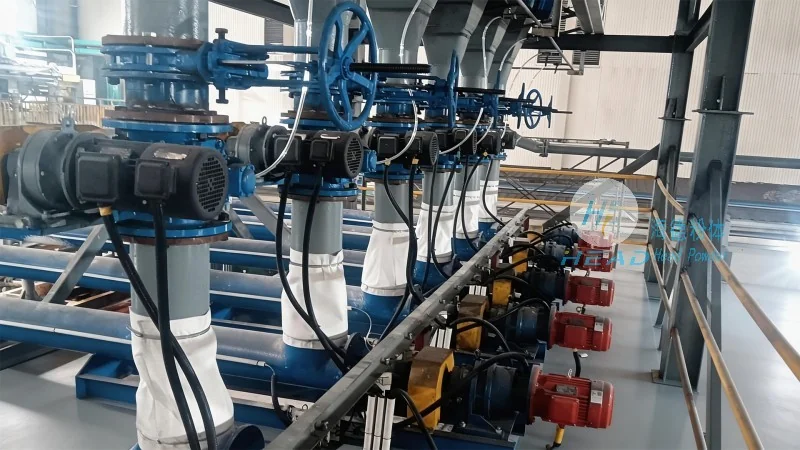
1. High Efficiency and Capacity: The conveying systems are engineered to handle high volumes of material at a consistent rate. Advanced belt conveyor designs with wide belts and high-speed drives enable the transport of large quantities of limestone and other additives, supporting the high production rates required by modern cement plants. The use of variable frequency drives allows for dynamic adjustment of the conveyor speed, matching the production demand and optimizing energy usage.
2. Robust and Durable Construction: The equipment is built with high-quality materials, such as stainless steel, alloy steel, and wear-resistant components, to withstand the harsh conditions of cement production. The conveyor belts are reinforced with strong fabrics and coated with durable materials to resist abrasion and corrosion. The feeding and transfer equipment is designed to handle the impact and pressure of heavy materials, ensuring long service life and minimal maintenance.
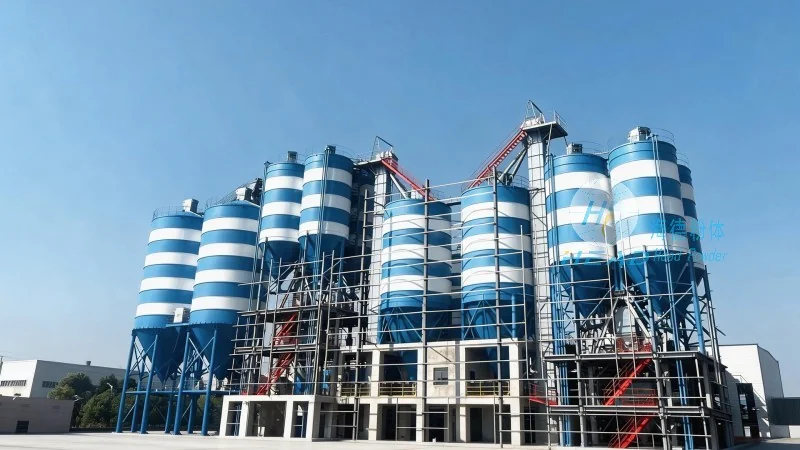
3. Precise Dosing and Control: The conveying lines incorporate advanced control systems that provide precise control over the material flow. This is crucial for maintaining the exact composition of the raw mix, which directly impacts the quality of the final cement product. The use of sensors and PLCs allows for real-time monitoring and adjustment, ensuring that the dosing accuracy is within tight tolerances. This feature helps in reducing material waste and improving the overall efficiency of the production process.
4. Flexible and Scalable Design: The systems are designed to be flexible and scalable, allowing cement plants to adapt to changing production needs. The modular design enables easy expansion or modification of the conveying line as the plant's capacity increases. This adaptability is particularly important for cement manufacturers that are expanding their operations or upgrading their existing facilities. The conveying lines can be integrated with existing infrastructure or new equipment, ensuring a smooth transition.