

Working Principle and Features of Arsenic Trioxide Material Handling Conveying Lines
HeadPowder, a leading engineering firm based in Shandong, China, specializes in the design and implementation of specialized material handling systems, including those for handling arsenic trioxide. This article provides an in-depth look at the working principle and key features of an arsenic trioxide material conveying line, highlighting the technical aspects and operational benefits of such systems.
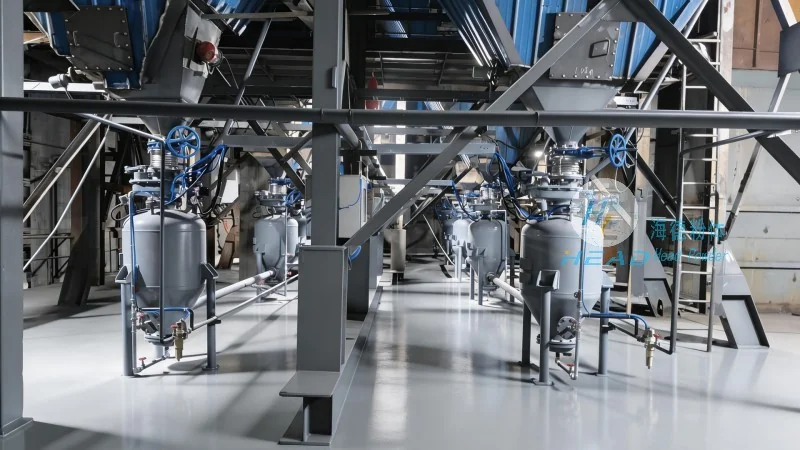
Overview of Arsenic Trioxide Material Handling Conveying Systems
Arising from the need to safely and efficiently transport arsenic trioxide—a highly toxic and reactive chemical—industrial facilities rely on dedicated conveying systems to manage material flow. These systems are engineered to meet stringent safety standards while optimizing productivity. The core components of an arsenic trioxide material handling line typically include feed hoppers, conveyor belts or screw conveyors, dust collection systems, and control panels. Each component is carefully selected to address the unique properties of arsenic trioxide, such as its fine powder form and potential for dust generation.
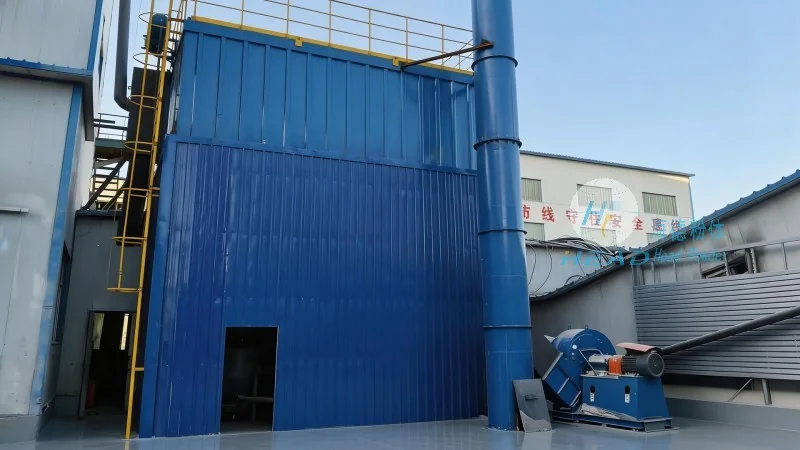
Working Principle of the Arsenic Trioxide Conveying Line
The operation of an arsenic trioxide material conveying line follows a systematic process designed to ensure safe material transfer. The workflow begins with the material being loaded into a feed hopper, where it is stored and conditioned to prevent caking or agglomeration. From the hopper, the material is transferred to the primary conveyor system—often a closed-loop screw conveyor or a belt conveyor enclosed in a dust-tight housing. The enclosed design is critical as it prevents airborne dust from escaping, reducing the risk of inhalation exposure and environmental contamination. The conveyor system moves the material through the line, with variable speed drives allowing for precise control over the flow rate. At key points along the line, such as transfer points or discharge stations, the material is directed by guide rails or chutes, ensuring smooth and unidirectional movement. The entire system is monitored by a programmable logic controller (PLC), which regulates motor speeds, detects blockages, and activates safety interlocks. This automation ensures consistent performance and immediate response to any operational anomalies.
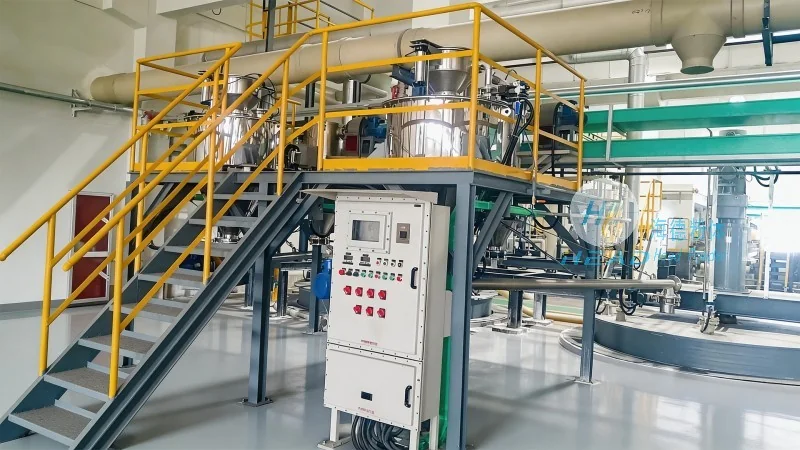
Key Features and Advantages of the Conveying System
The arsenic trioxide material handling line from HeadPowder incorporates several advanced features that enhance safety, efficiency, and reliability. One of the most notable features is the use of explosion-proof and dust-ignition-proof components, which are essential for handling a material with a high risk of dust explosion. The system employs a closed-loop design with integrated dust collection, where air is filtered through high-efficiency particulate air (HEPA) filters before being released, ensuring compliance with environmental regulations. Another key feature is the material's ability to handle varying particle sizes and moisture content, thanks to adjustable feed mechanisms and conditioning zones. The system also includes real-time monitoring capabilities, such as temperature sensors and vibration detectors, which provide early warnings of potential issues like overheating or mechanical stress. These features collectively contribute to a reduction in downtime, lower maintenance costs, and improved overall operational safety.
Application and Safety Considerations
Arsonic trioxide material conveying lines are widely used in chemical manufacturing, pharmaceutical production, and research facilities where precise handling of toxic powders is required. The primary application is in the processing of arsenic trioxide for use in wood preservatives, pharmaceuticals, and other industrial products. Safety is paramount in these operations, and the conveying system is designed with multiple layers of protection. These include physical barriers to prevent direct contact with the material, automatic shut-off mechanisms triggered by over-temperature or pressure, and emergency stop buttons located at strategic points along the line. Additionally, the system is equipped with personal protective equipment (PPE) dispensing stations and emergency showers, ensuring that operators are prepared to handle any accidental releases. The design also considers the environmental impact, with the dust collection system preventing contamination of the surrounding air and soil. By adhering to international safety standards, such as those outlined by the Occupational Safety and Health Administration (OSHA) and the European Union's REACH regulations, the system ensures compliance and minimizes health risks for personnel.
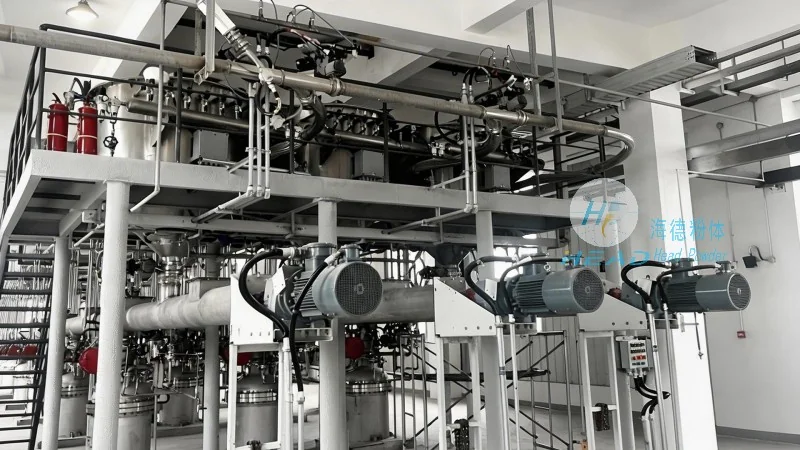
Conclusion and Company Expertise
HeadPowder Engineering Co., Ltd., based in Shandong, China, has established itself as a trusted provider of specialized material handling solutions for hazardous materials like arsenic trioxide. The company's expertise lies in the integration of advanced engineering principles with rigorous safety protocols to create systems that are both efficient and secure. The arsenic trioxide material conveying line exemplifies this approach, combining state-of-the-art technology with a deep understanding of the material's properties. By investing in such systems, industrial facilities can enhance their operational safety, reduce the risk of accidents, and improve overall productivity. HeadPowder continues to innovate in the field of material handling, offering tailored solutions that meet the evolving needs of the chemical industry while maintaining the highest standards of safety and reliability.