

Working Principle and Features of Positive and Negative Electrode Material Conveying Lines
Welcome to Shandong HeadPowder Engineering Co., Ltd., a leading manufacturer specializing in advanced material handling solutions for the battery industry. This article provides an in-depth exploration of the working principles and key features of positive and negative electrode material conveying lines, essential components in modern lithium-ion battery production facilities.
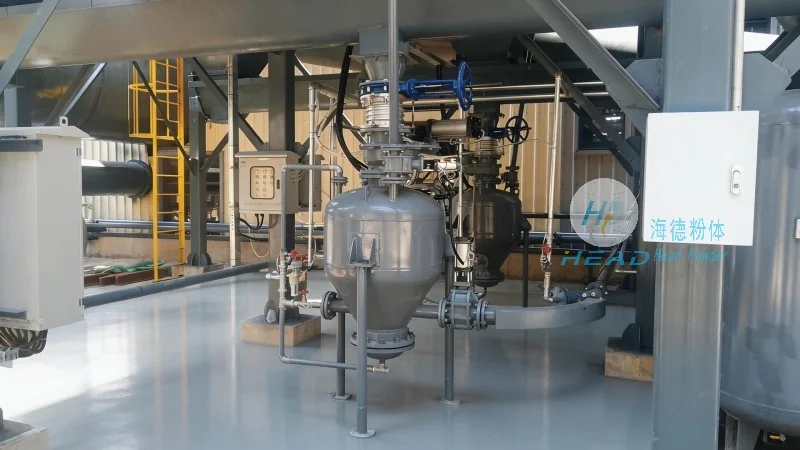
Introduction to Positive and Negative Electrode Material Conveying Lines
Positive and negative electrode material conveying lines are critical systems designed to transport raw materials and processed powders for battery manufacturing. These lines are integral to the production workflow, ensuring efficient and reliable movement of materials from raw material storage to the electrode coating and forming stages. The design and operation of these conveying systems directly impact production efficiency, material quality, and overall battery performance.
Working Principle of the Conveying System
The core working principle of a positive and negative electrode material conveying line involves a series of interconnected components that work in tandem to move materials through the production process. Typically, the system begins with raw material storage, where powders such as nickel, cobalt, lithium, and graphite are stored in bulk containers or silos. From there, the materials are transferred to a feeding system, which may include hoppers, feeders, or screw conveyors to regulate the flow rate and consistency of the material.
Once the material is fed into the conveying line, it is transported through a network of pipes or hoses using various types of conveyors, including pneumatic conveying systems, screw conveyors, or belt conveyors. Pneumatic conveying systems utilize air pressure to move powders through a closed pipeline, while screw and belt conveyors rely on mechanical motion to transport materials. The choice of conveyor type depends on factors such as material properties, production volume, and environmental considerations.
The conveying line is equipped with control systems that monitor and regulate the flow of materials, ensuring precise dosing and consistent material delivery to subsequent processing stages. Sensors and feedback mechanisms are integrated to detect any blockages, variations in material flow, or system malfunctions, allowing for immediate adjustments to maintain optimal performance. This closed-loop control system enhances the reliability and efficiency of the material handling process.
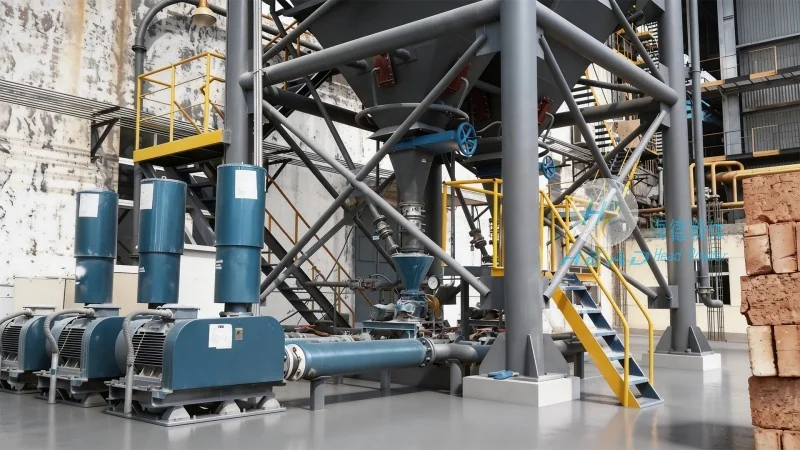
Key Features of the Conveying Lines
Several key features distinguish high-quality positive and negative electrode material conveying lines, making them indispensable in battery manufacturing. One of the most significant features is the ability to handle a wide range of material types, including fine powders, granules, and mixtures, without compromising material integrity or causing contamination. Advanced conveying systems are designed with materials that are chemically inert and resistant to corrosion, ensuring compatibility with various battery materials.
Another critical feature is the system's ability to maintain a consistent and controlled flow rate. This is achieved through precise control mechanisms, such as variable speed drives and adjustable feeders, which prevent overloading or underloading of downstream equipment. Consistent material flow is essential for maintaining uniform electrode thickness and quality, as variations in material delivery can lead to defects in the final battery product.
Hygiene and cleanliness are also paramount in electrode material conveying lines, as any contamination can significantly impact battery performance and safety. Modern systems incorporate features like sealed hoppers, dust collection systems, and easy-to-clean components to minimize the risk of contamination. Additionally, the design often includes explosion-proof and fire-resistant components to meet safety standards in industrial battery production environments.
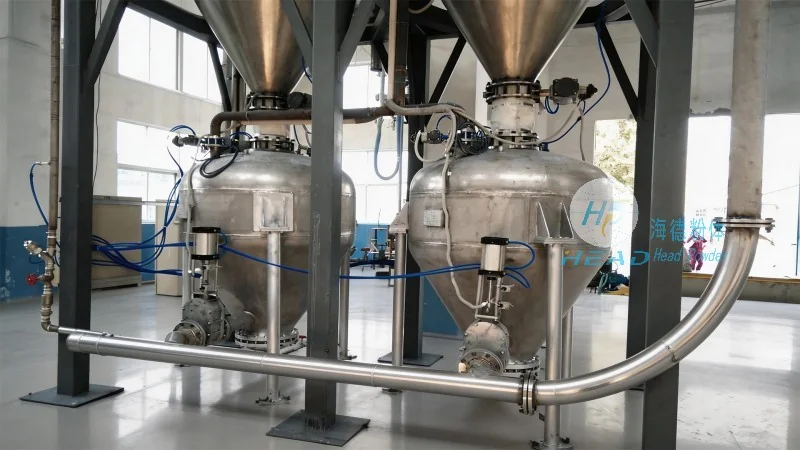
Efficiency and energy conservation are other notable features. Advanced conveying systems are engineered to minimize energy consumption while maximizing material throughput. This is achieved through optimized conveyor designs, reduced friction, and intelligent control algorithms that adjust power usage based on production demands. Energy-efficient operation not only reduces operational costs but also aligns with sustainability goals in the battery industry.
Application in Battery Manufacturing
Positive and negative electrode material conveying lines are widely used in the production of lithium-ion batteries for various applications, including electric vehicles, portable electronics, and energy storage systems. The system's role is to ensure that raw materials are efficiently and safely transported to the electrode coating machines, where they are mixed with binders and solvents to form the electrode slurry. This slurry is then applied to current collectors, dried, and finally formed into the final electrode sheets.
The reliability of the conveying line directly impacts the overall production yield and quality of the battery. Any disruptions or inefficiencies in material transport can lead to production delays, increased waste, and compromised battery performance. Therefore, manufacturers prioritize the use of high-quality conveying systems that offer consistent performance, low maintenance requirements, and long service life.
Conclusion
In conclusion, positive and negative electrode material conveying lines are sophisticated systems that play a vital role in the battery manufacturing process. Their working principles, which involve precise material handling and control, combined with key features such as material compatibility, flow control, and safety, make them essential for producing high-quality batteries. As the demand for lithium-ion batteries continues to grow, the importance of efficient and reliable material conveying systems will only increase, driving further innovation in this critical area of battery production.