

Working Principle and Features of Multi-functional Material Handling Systems Equipment
Multi-functional material handling systems are advanced industrial solutions designed to streamline the movement, storage, and management of various materials within manufacturing, logistics, and processing environments. These systems integrate multiple functionalities, such as conveying, sorting, lifting, and transferring, to enhance operational efficiency and flexibility in diverse industrial applications.
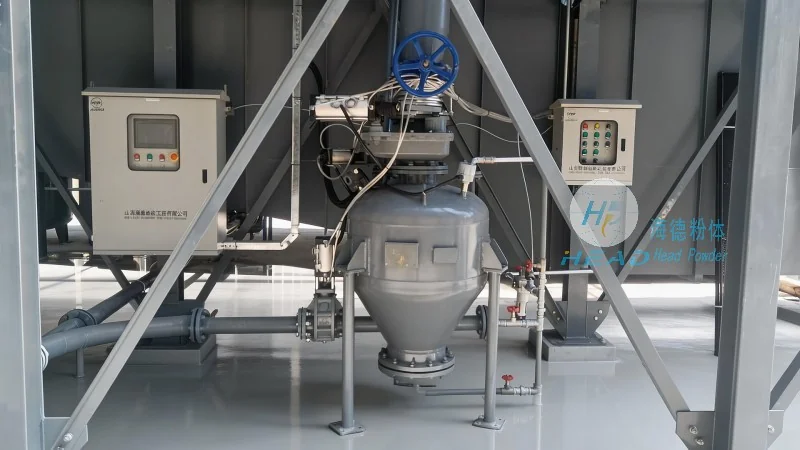
Overview of Multi-functional Material Handling Systems
At the core of these systems is a modular design that allows for customization based on specific operational needs. The systems are engineered to handle a wide range of materials, including bulk solids, packaged goods, and even hazardous materials, making them versatile for various industries like pharmaceuticals, food processing, and heavy manufacturing. The integration of advanced technologies, such as sensors, automation controls, and real-time monitoring, ensures precise control over material flow and minimizes downtime.
Working Principle of the System
The operation of a multi-functional material handling system typically begins with the input of materials at a designated loading point. Materials are then conveyed through a network of components, including conveyor belts, rollers, or overhead cranes, depending on the system configuration. The system uses a combination of mechanical and electrical components to move materials efficiently. For instance, in a conveyor-based system, motor-driven rollers or belts transport materials from the input to the processing or storage area. Sorting mechanisms, such as optical sensors or weight scales, may be integrated to separate materials based on specific criteria, ensuring accurate distribution. Lifting and transferring equipment, like hoists or robotic arms, are employed for vertical movement and precise placement of materials at designated locations. The entire process is controlled by a central control system that coordinates the movement of all components, ensuring synchronized operation and optimal performance.
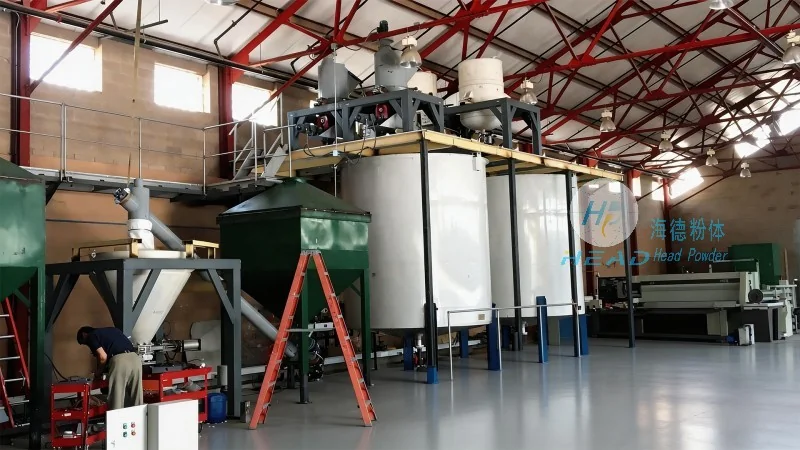
Key Features and Advantages
Multi-functional material handling systems offer several key features that set them apart from traditional, single-purpose equipment. One of the primary advantages is their flexibility, as they can be reconfigured to adapt to changing production requirements without significant modifications. This adaptability reduces the need for multiple systems, thereby lowering capital and operational costs. Another critical feature is the integration of automation and smart technologies. The systems often incorporate sensors and data analytics to monitor performance, detect anomalies, and optimize material flow in real-time. This leads to improved productivity and reduced waste. Additionally, the systems are designed with safety in mind, featuring emergency stop mechanisms, protective enclosures, and compliance with industry safety standards. The modular design also facilitates easy maintenance and component replacement, minimizing system downtime and extending the equipment's lifespan.
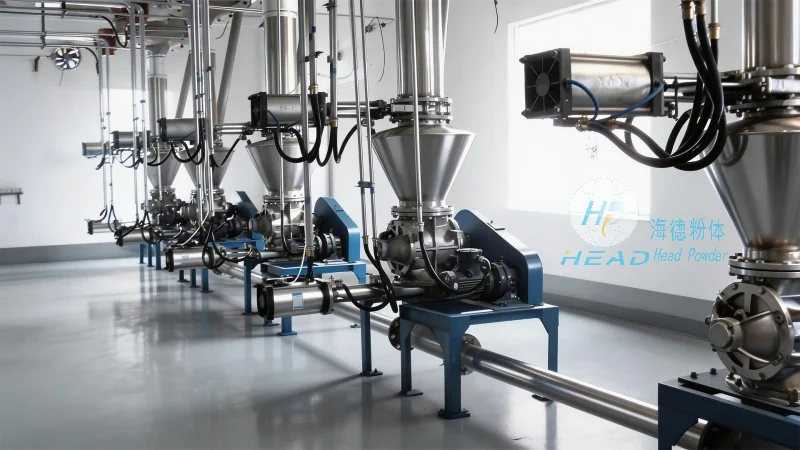
Application Scenarios
These systems find extensive applications across various industries. In manufacturing, they are used to transport raw materials to production lines and move finished products to packaging areas. In logistics and warehousing, they streamline the movement of goods between storage racks and shipping docks, enhancing order fulfillment speed. The systems are also utilized in food processing plants to handle raw ingredients and packaged products, ensuring compliance with hygiene and safety regulations. Furthermore, in the pharmaceutical industry, they facilitate the handling of sensitive materials, maintaining strict temperature and contamination control. The versatility of these systems makes them indispensable in modern industrial operations, where efficiency and adaptability are paramount.
Conclusion
Multi-functional material handling systems represent a significant advancement in industrial automation, offering a comprehensive solution for material movement and management. By integrating multiple functionalities and leveraging advanced technologies, these systems enhance operational efficiency, reduce costs, and improve safety in various industrial settings. As industries continue to evolve and demand higher productivity, the importance of such versatile systems will only grow, making them a critical component of modern manufacturing and logistics operations.