

Principles and Application Scenarios of Pharmaceutical Powder Pneumatic Conveying Systems
Pharmaceutical powder pneumatic conveying systems represent a critical technology in the pharmaceutical industry, designed to efficiently and safely transport granular or powdered materials. These systems utilize air or other gas streams to move materials through a network of pipes, offering advantages such as dust-free operation, reduced contamination risk, and flexibility in layout. Understanding the underlying principles and operational characteristics of such systems is essential for optimizing material handling processes in pharmaceutical manufacturing.
Principles of Pharmaceutical Powder Pneumatic Conveying
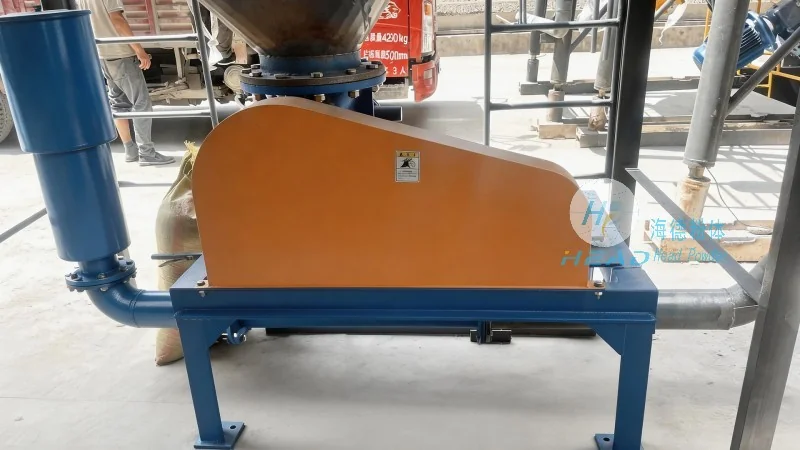
The core principle of pneumatic conveying involves the use of pressurized or vacuum air to transport solid particles. There are two primary modes: pressure conveying and vacuum (suction) conveying. In pressure conveying, a positive pressure is applied to the material, typically using a blower or compressor, to push the material through the pipeline. This method is suitable for long-distance or high-capacity applications. Vacuum conveying, on the other hand, uses a vacuum pump to draw material into the system, often used for shorter distances or when handling materials that are difficult to feed under pressure. The choice between these modes depends on factors like material properties, system layout, and required throughput.
Key components of a pharmaceutical powder pneumatic conveying system include the material feed device, conveying pipeline, separation and collection equipment, and the air supply unit. The feed device, such as a rotary valve or a star feeder, ensures a consistent and controlled flow of material into the system. The pipeline is usually made of materials like stainless steel or PTFE to maintain hygiene and prevent contamination. Separation equipment, like cyclones or bag filters, are used to separate the material from the air stream at the end of the conveying process. The air supply unit, which may include filters and regulators, ensures that the air used is clean and meets the required purity standards for pharmaceutical applications.
Working Scenarios and Applications
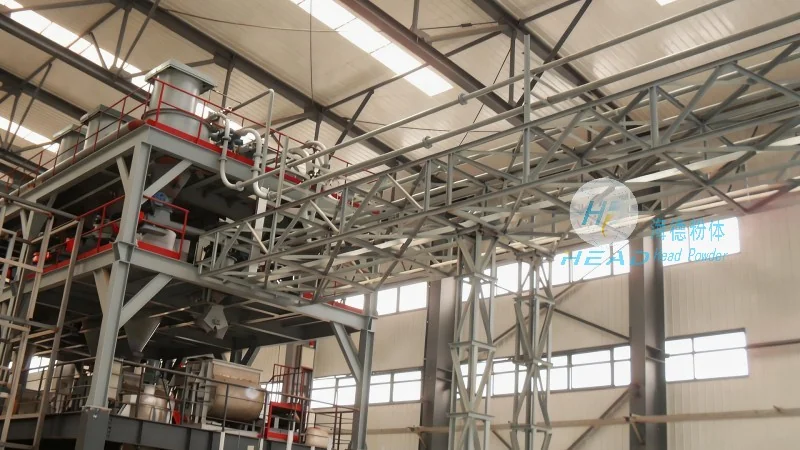
Pharmaceutical powder pneumatic conveying systems are widely applied in various stages of pharmaceutical production and processing. One common scenario is the transfer of raw materials from storage silos to production lines. This allows for seamless integration between different manufacturing units, ensuring a continuous supply of raw materials without manual handling. Another key application is the movement of finished products from the production area to the packaging or quality control departments. Here, the system must maintain strict cleanliness and prevent cross-contamination, which is critical for maintaining product quality and compliance with regulatory standards.
In addition to material transfer between different areas of a pharmaceutical facility, these systems are also used for internal processing steps. For example, in the granulation or milling processes, pneumatic conveying can be employed to transport the resulting powders or granules to the next stage of production. This not only improves efficiency but also reduces the risk of material degradation or contamination due to prolonged exposure to the environment.
Operational Considerations and Advantages
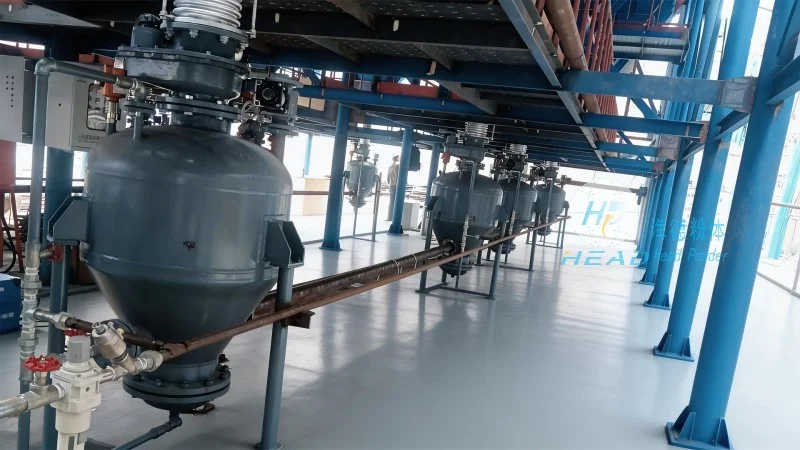
When implementing a pharmaceutical powder pneumatic conveying system, several operational considerations must be taken into account. Material properties, such as particle size, density, and moisture content, significantly impact the system's performance. For instance, cohesive or sticky powders may require special feeding mechanisms to prevent blockages. The system's design must also consider the required flow rate and pressure to ensure efficient material transport without causing excessive wear on components or generating excessive dust.
One of the primary advantages of pneumatic conveying in pharmaceutical applications is its ability to maintain a dust-free environment. Unlike mechanical conveying methods, which can generate significant dust and aerosols, pneumatic systems keep the material enclosed within the pipeline, reducing the risk of contamination and improving workplace safety. Additionally, these systems offer flexibility in layout, allowing for complex piping configurations to accommodate the specific needs of a pharmaceutical facility, including the integration of multiple production lines or the reconfiguration of the system as production processes evolve.
Customization and Compliance
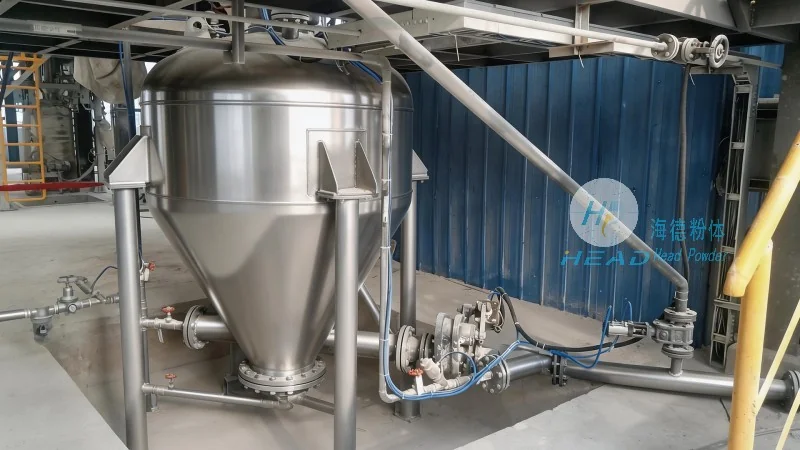
Given the stringent regulatory requirements in the pharmaceutical industry, pneumatic conveying systems are often customized to meet specific GMP (Good Manufacturing Practice) standards. Companies like Shandong HeadPowder Engineering Co., Ltd., based in China, specialize in designing and manufacturing such systems tailored to the unique needs of pharmaceutical manufacturers. Their expertise includes ensuring that all components are made from materials that are compatible with pharmaceutical applications, such as stainless steel or food-grade plastics, and that the system is designed to minimize the risk of cross-contamination and product degradation.
Shandong HeadPowder Engineering Co., Ltd. provides comprehensive solutions for pharmaceutical powder handling, including the design, installation, and maintenance of pneumatic conveying systems. Their systems are engineered to meet the highest standards of hygiene and efficiency, ensuring that pharmaceutical manufacturers can maintain product quality while optimizing their material handling processes. With a focus on innovation and compliance, HeadPowder helps pharmaceutical companies enhance their operational efficiency and meet regulatory requirements in the competitive pharmaceutical market.