

Principle and Working Scene Characteristics of Silicone Powder Pneumatic Conveying Lines
HeadPowder, a leading provider of industrial material handling solutions, specializes in the design and implementation of advanced pneumatic conveying systems tailored for silicone powder applications. This article explores the fundamental principles behind silicone powder pneumatic conveying lines and highlights the key characteristics of their operational environments.
Understanding the Core Principle of Pneumatic Conveying
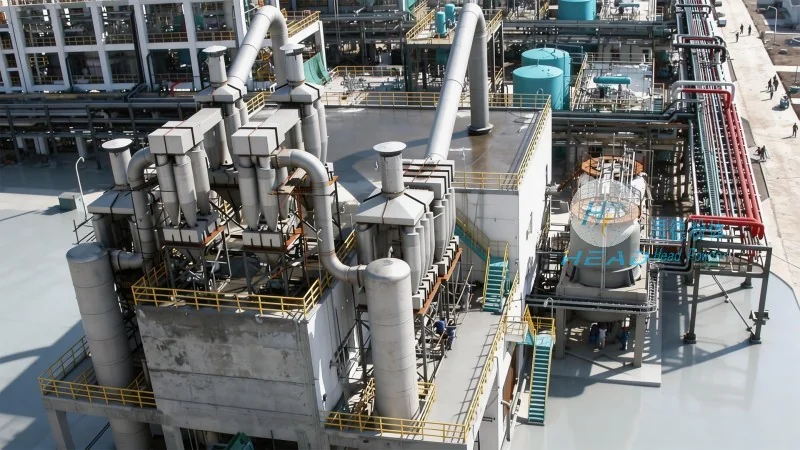
Pneumatic conveying is a method of transporting bulk materials, such as silicone powder, through a pipeline using a gas stream, typically air. The system operates by creating a pressure differential within the pipeline, either by blowing air into the system (positive pressure) or by creating a vacuum (negative pressure). In the case of silicone powder, which is often fine and abrasive, the choice of conveying method—whether dense phase or dilute phase—depends on the material's properties, the distance to be covered, and the required flow rate. Dense phase conveying, for instance, involves low air velocity and high material concentration, minimizing particle degradation and ensuring a smooth, controlled flow. This is particularly advantageous for delicate materials like silicone powder, where maintaining particle integrity is critical for downstream processing.
Key Working Scene Characteristics of Silicone Powder Pneumatic Conveying Lines
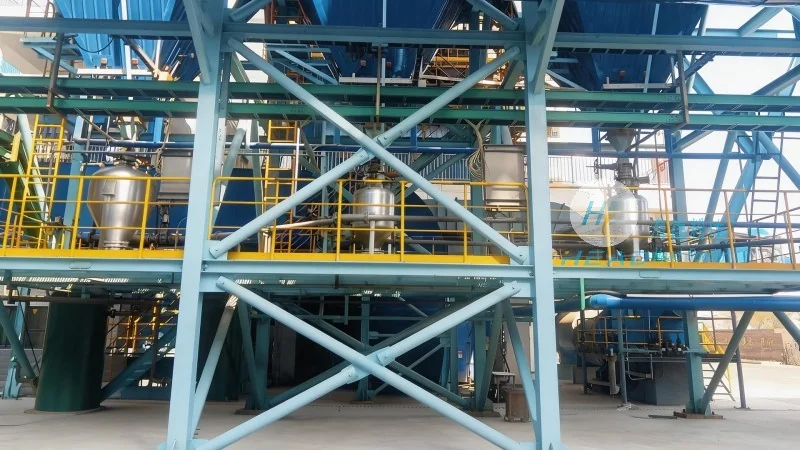
The operational characteristics of silicone powder pneumatic conveying lines are shaped by several factors, including the production environment, material handling requirements, and the specific application within the manufacturing process. For example, in a silicone rubber production facility, the conveying line may need to transport raw silicone powder from storage silos to mixing or extrusion equipment. The system must be designed to handle varying powder flow rates, accommodate different particle sizes, and maintain consistent material quality. Another important characteristic is the system's ability to handle dust and particulate emissions, as silicone powder can generate fine dust during handling. Advanced filtration and dust collection systems are often integrated into the design to ensure compliance with environmental regulations and to protect equipment from contamination.
Application-Specific Operational Scenarios
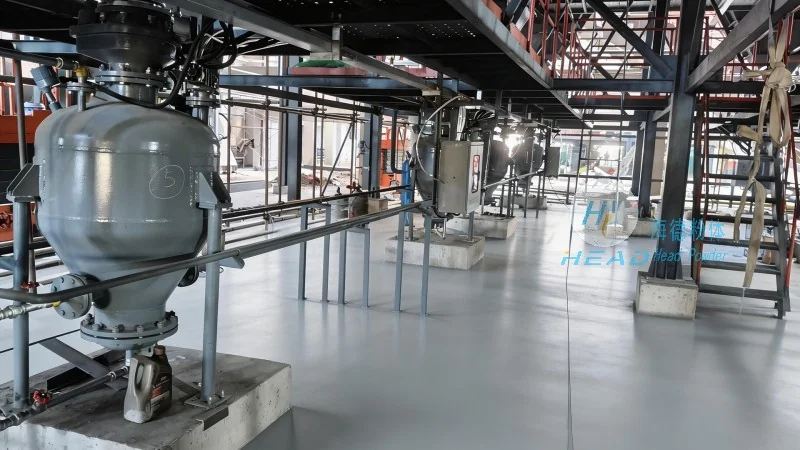
HeadPowder's expertise lies in customizing pneumatic conveying solutions to meet the unique demands of various working scenes. In some industrial settings, the conveying line may operate continuously, ensuring a steady supply of silicone powder to production lines, which is essential for maintaining production efficiency and minimizing downtime. In contrast, other applications may require intermittent or batch conveying, where the system is activated as needed to transport specific quantities of powder. The flexibility of the system allows it to adapt to different production schedules and operational needs, making it a versatile solution for diverse manufacturing environments. Additionally, the system's design considers factors such as space constraints and existing infrastructure, ensuring that the conveying line can be integrated seamlessly into the existing production layout without disrupting ongoing operations.
Advantages and Considerations in Practical Applications
When implementing a silicone powder pneumatic conveying line, several advantages and considerations must be taken into account. One of the primary benefits is the ability to transport materials over long distances with minimal equipment, as the system relies on a single pipeline rather than multiple transfer points. This reduces the need for additional machinery and simplifies the overall material handling process. However, the system also requires careful maintenance to ensure optimal performance, as components such as air compressors, filters, and pipeline systems can experience wear and tear over time. Regular inspections and maintenance schedules are essential to prevent system failures and maintain the quality of the conveyed material. Furthermore, the system's energy efficiency is a key factor, as air consumption and power usage can impact operational costs. HeadPowder's solutions are engineered to balance performance with energy efficiency, providing cost-effective and sustainable material handling solutions for silicone powder applications.
Conclusion: Tailored Solutions for Silicone Powder Handling
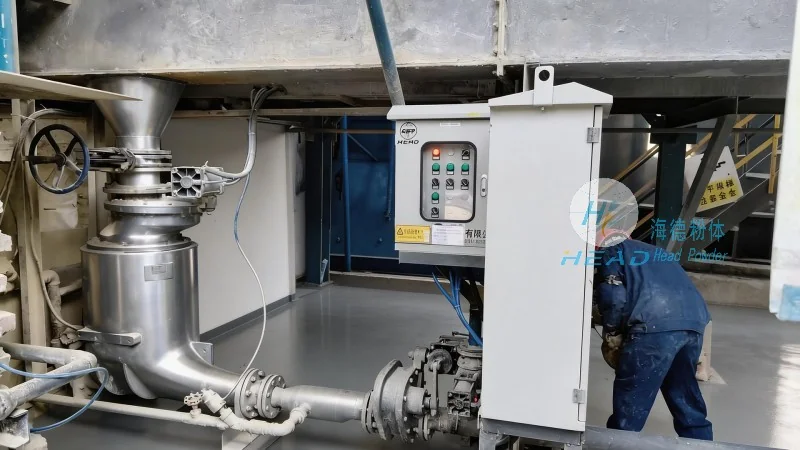
Organic silicone powder pneumatic conveying lines represent a sophisticated and efficient method for handling fine, abrasive materials in industrial settings. By understanding the core principles of pneumatic conveying and the specific characteristics of working environments, companies like Shandong HeadPowder Engineering Co., Ltd. can design and implement systems that meet the unique demands of their operations. The integration of advanced technology, careful material selection, and adherence to operational best practices ensures that these systems deliver reliable, high-quality performance, supporting the overall productivity and success of silicone powder processing facilities.