HeadPowder, a leading manufacturer based in Shandong, China, specializes in the design and production of advanced cocoa pneumatic conveying systems. These systems are engineered to efficiently transport cocoa powder and other fine particulate materials, offering a reliable solution for the food processing industry. The following overview details the structural components and operational principles of such systems, highlighting their efficiency and adaptability.
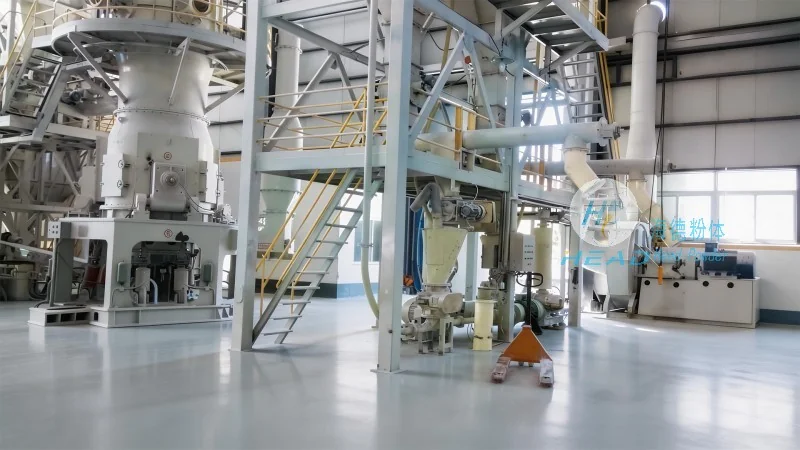
Key Structural Components of Cocoa Pneumatic Conveying Systems
The core structure of a cocoa pneumatic conveying system consists of several critical components that work in tandem to ensure smooth material handling. The primary elements include the material hopper, which serves as the storage and feeding unit, equipped with a rotary valve or feeder to control the flow of cocoa powder. This component is crucial for maintaining consistent material supply to the system. The conveying line itself, typically made of stainless steel or other corrosion-resistant materials, is designed to withstand the abrasive nature of cocoa particles and maintain hygiene standards essential for food processing applications. Additionally, the system incorporates a series of pressure vessels or receiver hoppers that collect the conveyed material at the destination point, ensuring that the material is deposited in a controlled manner. The entire structure is supported by a robust frame and is often equipped with vibration isolation systems to minimize noise and structural stress during operation.
Working Principles of Cocoa Pneumatic Conveying Systems
The operational principle of a cocoa pneumatic conveying system is based on the use of compressed air to transport material through a pipeline. The process begins with the material being fed from the hopper into the conveying line via the rotary valve. As the compressed air is introduced into the line, it creates a low-pressure zone that draws the cocoa powder particles into the air stream. The air and material mixture then travels through the pipeline to the receiver hopper at the destination. The system utilizes a combination of positive and negative pressure or a combination of both, depending on the specific application and material characteristics. The air velocity within the pipeline is carefully controlled to ensure that the material is transported without causing excessive wear or degradation. This principle allows for efficient, dust-free, and continuous material handling, which is particularly important in the cocoa processing industry where product quality and hygiene are paramount.
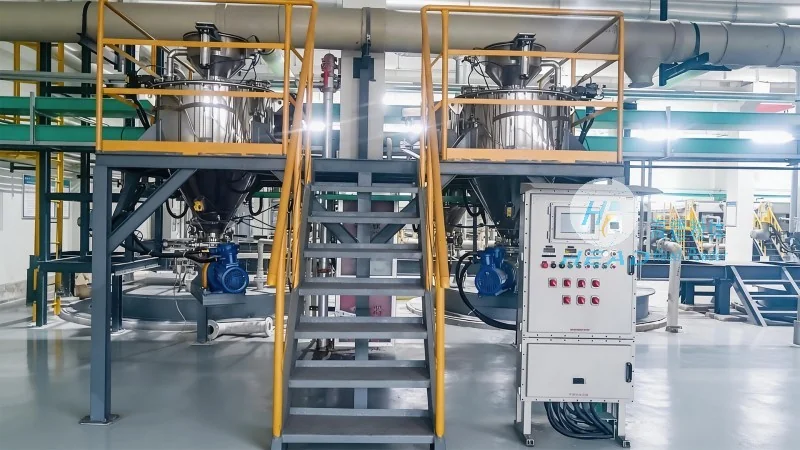
Advantages of Using Cocoa Pneumatic Conveying Systems
Implementing a cocoa pneumatic conveying system offers several advantages over traditional material handling methods. Firstly, it provides a dust-free and hygienic environment, which is critical for maintaining the quality and safety of cocoa products. The enclosed system prevents contamination from external sources and reduces the risk of product spoilage. Secondly, the system is highly efficient in terms of energy consumption and operational costs, as it minimizes material loss and reduces the need for manual handling. Additionally, the flexibility of the system allows for easy integration with existing production lines and can be scaled to accommodate varying production volumes. The modular design also enables quick maintenance and repair, reducing downtime and increasing overall productivity. These advantages make cocoa pneumatic conveying systems a preferred choice for modern cocoa processing facilities.
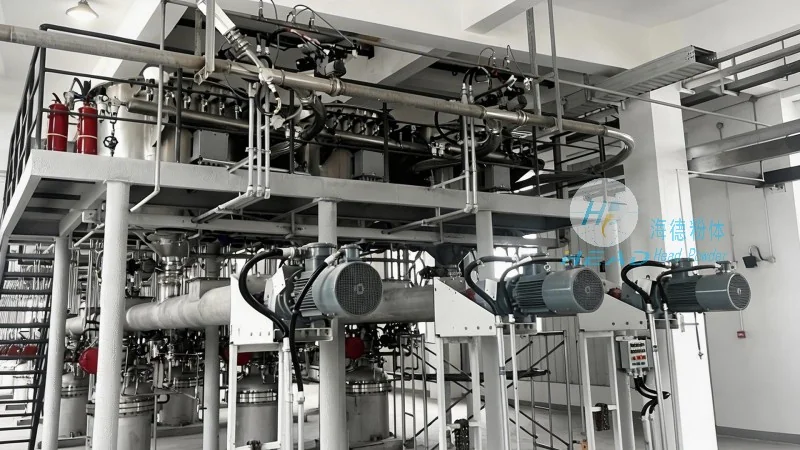
Application Scenarios in Cocoa Processing
Cocoa pneumatic conveying systems are widely used in various stages of cocoa processing, from raw material handling to final product packaging. In the initial stages, the system can be used to transport cocoa beans from storage to grinding equipment, ensuring a consistent and controlled feed. During the grinding and refining process, the system can convey the fine cocoa powder to mixing tanks or storage silos. In the final stages, the system is used to transport the finished cocoa products to packaging lines, maintaining the product's quality and preventing contamination. The adaptability of the system allows it to handle different particle sizes and moisture contents, making it suitable for a wide range of cocoa products, including cocoa powder, cocoa butter, and chocolate products. This versatility ensures that the system can be customized to meet the specific needs of each processing facility.
Maintenance and Operational Considerations
Proper maintenance is essential to ensure the long-term performance and reliability of a cocoa pneumatic conveying system. Regular inspections of the material hopper and rotary valve are necessary to prevent blockages and ensure consistent material flow. The conveying line and pressure vessels should be checked for signs of wear or corrosion, as these can affect the system's efficiency and safety. The compressed air system should also be maintained to ensure adequate pressure and air quality, as poor air quality can lead to material degradation or system inefficiencies. Additionally, the system should be cleaned regularly to prevent the buildup of cocoa residue, which can affect the product's quality and the system's performance. By following these maintenance procedures, operators can ensure that the system operates at optimal levels, minimizing downtime and maximizing productivity.




