For those in the agricultural and fertilizer processing industries, understanding the technology behind efficient material handling is crucial. Fertilizer pneumatic conveying systems represent a sophisticated solution designed to transport bulk materials like fertilizers with precision and reliability. This article provides an overview of the key components, operational principles, and structural design of such systems, highlighting how they enhance productivity and safety in fertilizer handling operations.
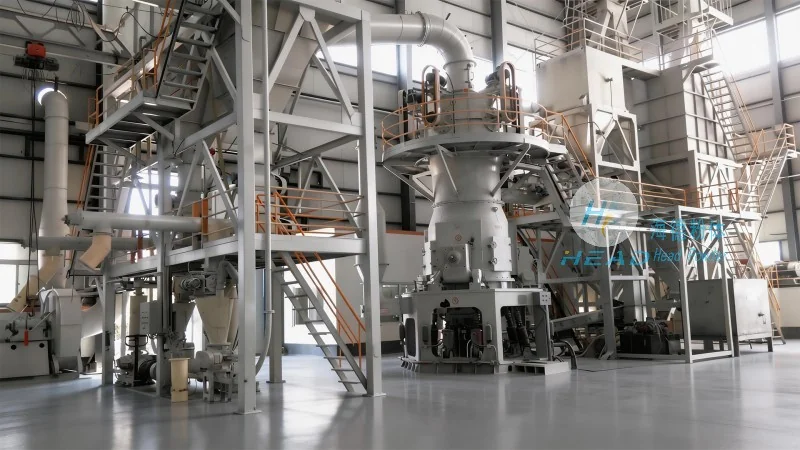
Key Components of Fertilizer Pneumatic Conveying Systems
The core of a fertilizer pneumatic conveying system consists of several interconnected parts that work in tandem to move material from one location to another. The primary components include the material feed hopper, which holds the fertilizer and regulates the flow into the system. A rotary valve or feeder is typically used to control the discharge of material from the hopper, ensuring a consistent feed rate. The conveying line itself, often made of stainless steel or other corrosion-resistant materials, is where the material is propelled through the system. Air movers, such as blowers or fans, generate the necessary airflow to transport the material. The system may also include filters and cyclones to separate the conveyed material from the air, ensuring clean operation and preventing dust contamination. Additionally, control panels and sensors are integrated to monitor and adjust the system's performance in real-time.
Working Principles of Pneumatic Conveying
The fundamental principle behind pneumatic conveying is the use of air pressure to move material. In a typical system, the material is fed into the conveying line and mixed with the air stream. The air moves the material through the pipeline, often using positive pressure (where air pressure is higher than ambient) or negative pressure (where the system is under vacuum). The choice of pressure type depends on the material characteristics, distance to be conveyed, and system design. As the material travels through the line, it may encounter various components like bends, elbows, or expansion joints, which are designed to minimize friction and maintain the material's flow. The system's efficiency is influenced by factors such as air velocity, material density, and particle size. Proper design ensures that the air velocity is sufficient to keep the material suspended and moving without causing excessive wear on the system components.
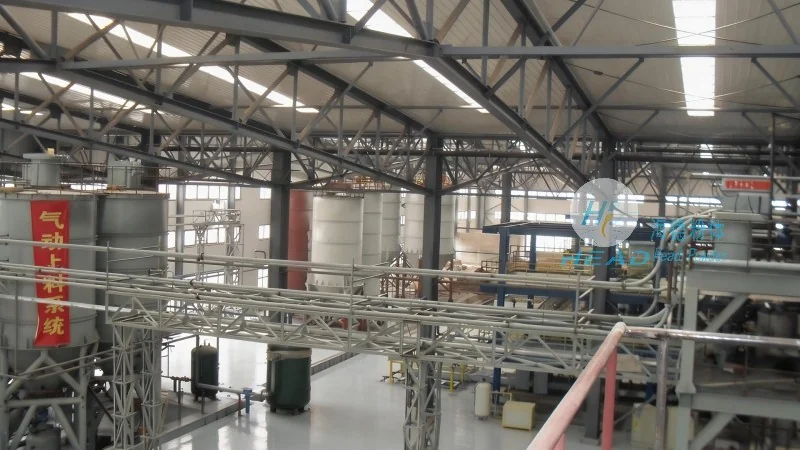
Structural Design and Material Considerations
The structural design of a fertilizer pneumatic conveying system is tailored to withstand the demands of handling abrasive and corrosive materials like fertilizers. The conveying lines are constructed from high-quality stainless steel or other durable materials to resist wear and corrosion from the fertilizer particles. The feed hopper and other components are designed with smooth surfaces and rounded corners to prevent material buildup and ensure easy cleaning. The system's layout is carefully planned to minimize the number of bends and changes in direction, as these can cause pressure losses and reduce efficiency. Additionally, the system incorporates safety features such as pressure relief valves and dust collection systems to protect operators and the environment. The integration of advanced control systems allows for automated operation, reducing the need for manual intervention and enhancing overall safety and productivity.
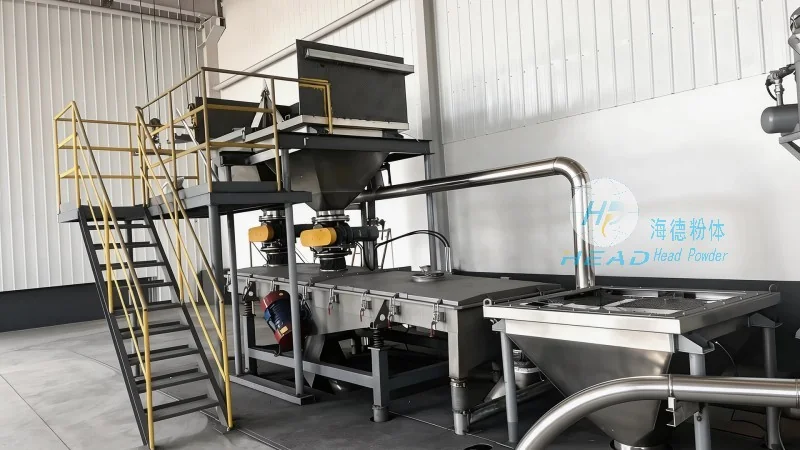
Applications and Benefits in Fertilizer Handling
Fertilizer pneumatic conveying systems are widely used in various stages of fertilizer production and distribution. They are employed in the transfer of raw materials from storage silos to processing plants, as well as in the movement of finished products from production lines to packaging facilities. The benefits of using such systems include increased efficiency in material handling, reduced labor costs, and improved safety by minimizing manual handling of bulk materials. Additionally, the systems help maintain product quality by preventing contamination and dust exposure, which is critical for maintaining the integrity of the fertilizer. The ability to handle different types of fertilizers, including granular, powdered, and liquid-solid mixtures, makes these systems versatile and adaptable to various production needs. Overall, pneumatic conveying systems contribute significantly to the optimization of fertilizer handling processes, ensuring smooth and reliable operations.
About Shandong HeadPowder Engineering Co., Ltd.
Shandong HeadPowder Engineering Co., Ltd., commonly known as headpowder, is a leading manufacturer and supplier of industrial conveying systems, including fertilizer pneumatic conveying equipment. With a strong focus on innovation and quality, the company has established itself as a trusted partner in the agricultural and chemical industries. HeadPowder's products are designed to meet the specific needs of fertilizer handling operations, combining advanced technology with robust construction to ensure long-term performance and reliability. The company's headquarters is located in Shandong, China, where it leverages local expertise and resources to develop cutting-edge solutions for its clients. By adhering to strict quality standards and providing comprehensive after-sales support, HeadPowder aims to deliver solutions that enhance the efficiency and safety of fertilizer processing and distribution worldwide.




