

What is a High-Pressure Powder Conveyor? What are its Design Principles?
High-pressure powder conveyors are specialized equipment used in various industrial sectors to transport bulk solid materials, such as powders, granules, and fine particles, from one location to another. These systems are designed to handle materials with high density and flow characteristics, ensuring efficient and reliable material transfer. The core of high-pressure powder conveyors lies in their ability to maintain a consistent flow of material under pressure, which is crucial for applications in pharmaceuticals, food processing, chemical manufacturing, and other industries where material purity and process efficiency are paramount.
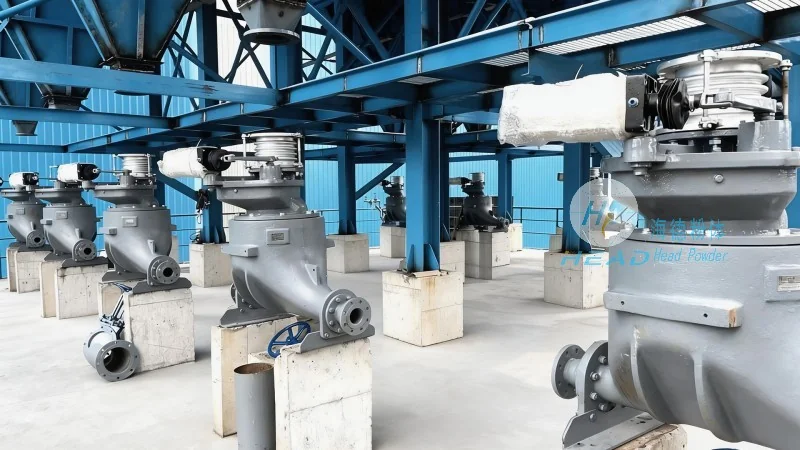
Key Components and Design Principles of High-Pressure Powder Conveyors
The design of a high-pressure powder conveyor involves several critical components that work in tandem to achieve optimal performance. The primary components include a pump or compressor system, a conveying pipe, a control system, and a material feed mechanism. The pump or compressor generates the necessary pressure to move the material through the pipe, while the conveying pipe is typically made of materials like stainless steel or polyethylene to withstand the internal pressure and prevent material contamination. The control system monitors and regulates the pressure, flow rate, and other operational parameters to ensure smooth and safe operation. The material feed mechanism, often a hopper or feeder, ensures a consistent supply of material to the pump, preventing blockages and maintaining a steady flow.
How High-Pressure Powder Conveyors Work: The Operating Mechanism
The operation of a high-pressure powder conveyor begins with the material being fed into the system from a hopper or storage silo. The material then enters the pump or compressor, where it is pressurized to a specific level. The pressurized material is then forced through the conveying pipe to the destination point, such as a processing unit or storage tank. The system uses a closed-loop design to minimize material loss and contamination, making it suitable for applications where material purity is critical. The control system continuously monitors the pressure and flow rate, adjusting the pump speed or pressure as needed to maintain the desired flow. This ensures that the material is transported efficiently and without interruption, even in high-demand industrial environments.
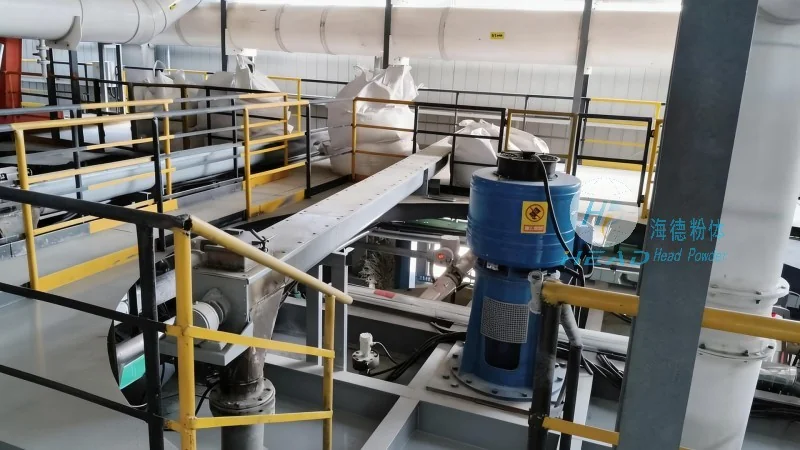
Applications of High-Pressure Powder Conveyors in Industrial Settings
High-pressure powder conveyors are widely used in various industrial applications due to their ability to handle a wide range of materials and maintain high efficiency. In the pharmaceutical industry, these systems are used to transport active pharmaceutical ingredients (APIs) and excipients with high precision, ensuring that the material is not contaminated and that the dosage is accurate. In the food processing industry, they are used to transport ingredients like flour, sugar, and spices, maintaining the quality and purity of the food products. In chemical manufacturing, high-pressure powder conveyors are used to transport raw materials and intermediates, ensuring that the chemical processes are carried out efficiently and safely. Additionally, they are used in the cement and construction industries to transport cement and other bulk materials, supporting large-scale construction projects.
Advantages of Using High-Pressure Powder Conveyors
There are several advantages to using high-pressure powder conveyors in industrial applications. One of the key advantages is their ability to handle materials with high density and flow characteristics, which is difficult for other conveying systems to manage. This makes them ideal for applications where other methods, such as pneumatic or mechanical conveyors, are not suitable. Another advantage is their high efficiency, as they can transport large quantities of material over long distances with minimal energy consumption. The closed-loop design also reduces material loss and contamination, which is crucial for industries where material purity is a top priority. Additionally, high-pressure powder conveyors are relatively low maintenance, as they have fewer moving parts compared to other conveying systems, reducing downtime and maintenance costs.
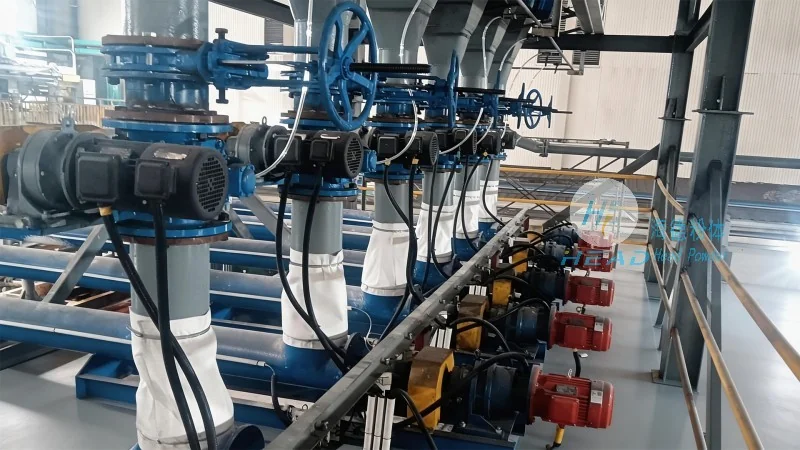
Customization and Integration with Industrial Systems
High-pressure powder conveyors can be customized to meet the specific needs of different industrial applications. Companies like Shandong HeadPowder Engineering Co., Ltd. offer tailored solutions that integrate with existing industrial systems, ensuring seamless operation and minimal disruption to the production process. The conveyors can be designed to handle a wide range of materials, from fine powders to coarse granules, and can be adjusted to meet the specific flow rate and pressure requirements of the application. The control systems can also be integrated with other industrial equipment, such as sensors and monitoring systems, to provide real-time data on the material flow and system performance. This allows for better process control and optimization, improving overall efficiency and productivity.
Conclusion: The Importance of High-Pressure Powder Conveyors in Modern Industry
High-pressure powder conveyors are essential equipment in modern industrial operations, providing efficient and reliable material transport for a wide range of applications. Their design and operation are optimized to handle bulk solid materials with high precision and minimal contamination, making them ideal for industries where material purity and process efficiency are critical. Companies like Shandong HeadPowder Engineering Co., Ltd. specialize in designing and manufacturing high-quality high-pressure powder conveyors that meet the specific needs of their clients. By leveraging advanced technology and customization options, these systems help industries improve their operational efficiency, reduce costs, and enhance product quality. As industrial processes continue to evolve, high-pressure powder conveyors will remain a vital component in ensuring the smooth and efficient operation of bulk material handling systems.