

What is an Alumina Hydroxide Powder Conveying Line? And What Are Its Design Principles?
Alumina hydroxide, a key industrial material, requires efficient and reliable conveying systems to ensure smooth production processes. The Alumina Hydroxide Powder Conveying Line, developed by Shandong HeadPowder Engineering Co., Ltd. (referred to as HeadPowder), is a specialized solution designed to handle the unique challenges of transporting this fine powder. This article explores the core components, operational principles, and design considerations of such a system, providing a comprehensive overview for industry professionals.
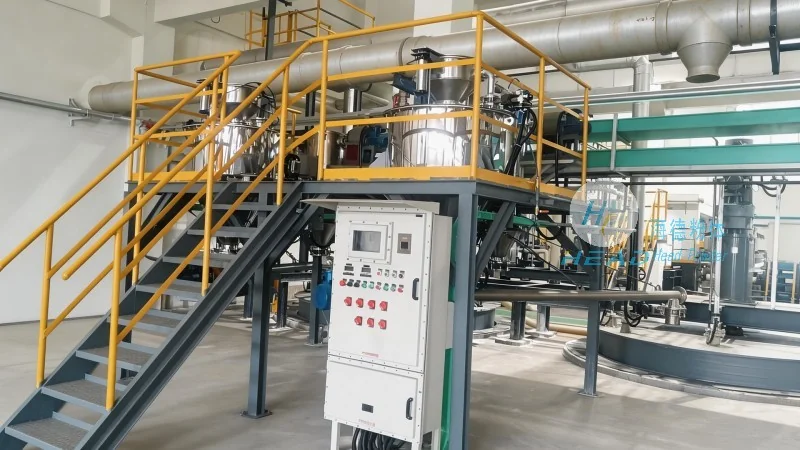
Key Components of the Conveying Line
The Alumina Hydroxide Powder Conveying Line typically consists of several critical components that work in tandem to ensure efficient material handling. The primary elements include feeders, conveyors, dust collection systems, and control units. Feeders, such as rotary valves or vibratory feeders, are used to regulate the flow of alumina hydroxide from storage silos or hoppers into the conveying system. These devices ensure a consistent and controlled feed rate, preventing overloading or underfeeding that could disrupt the process. Conveyors, often in the form of pneumatic or mechanical systems, transport the powder from the feeder to the processing or storage areas. Pneumatic conveying systems use compressed air to move the powder through pipelines, while mechanical conveyors (like belt or screw conveyors) rely on physical contact to move the material. Dust collection systems are essential for maintaining air quality and protecting personnel from inhalation of fine powder particles. These systems typically include cyclones, baghouses, or electrostatic precipitators, which capture and remove dust from the air stream. Control units, equipped with sensors and programmable logic controllers (PLCs), monitor and regulate the operation of the conveying line. They ensure that the system operates within safe and efficient parameters, adjusting feed rates, conveyor speeds, and dust collection efficiency as needed.
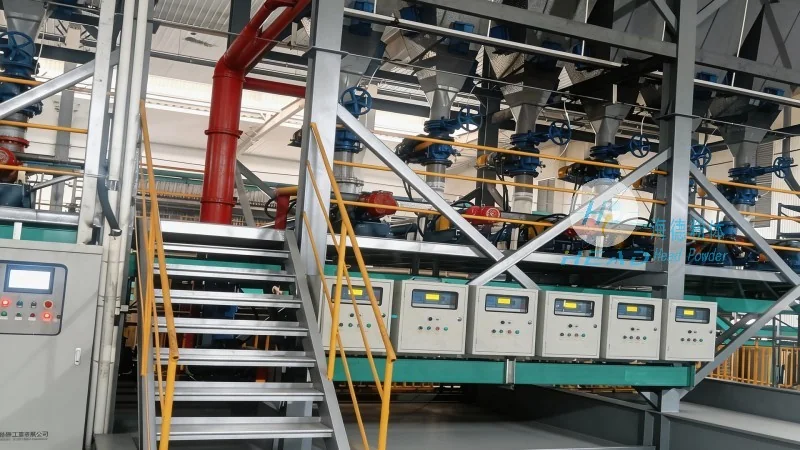
Design Principles and Operational Efficiency
The design of an Alumina Hydroxide Powder Conveying Line is guided by several key principles aimed at maximizing efficiency, safety, and reliability. One of the primary design considerations is the prevention of material buildup and blockages, which are common in fine powder handling. To address this, the system incorporates features such as smooth pipeline surfaces, appropriate bend radii, and regular cleaning mechanisms. The choice of materials for the conveying components is also critical. Alumina hydroxide is a mildly abrasive material, so components like pipelines, valves, and conveyors are often made from corrosion-resistant materials like stainless steel or special alloys to withstand wear and prevent contamination. Another important principle is the management of air flow and pressure. In pneumatic conveying systems, maintaining the correct air velocity is crucial to prevent particle segregation and ensure uniform transport. The system is designed to achieve optimal air-to-powder ratios, which balance energy consumption with conveying efficiency. Additionally, the layout of the conveying line is carefully planned to minimize the number of bends and changes in direction, as these can cause pressure drops and increase the risk of blockages. The integration of dust collection systems is also a key design aspect, as it not only improves air quality but also helps to recover valuable powder that might otherwise be lost. By capturing and re-circulating the powder, the system enhances overall efficiency and reduces waste. Safety is another critical design consideration. The conveying line is equipped with safety features such as pressure relief valves, emergency shutdown systems, and interlocks to prevent accidents and protect personnel. These features ensure that the system operates within safe limits and can be quickly shut down in case of an emergency.
Applications and Benefits in Industrial Settings
The Alumina Hydroxide Powder Conveying Line is widely used in various industrial applications where alumina hydroxide is a key raw material. These applications include the production of aluminum, ceramics, and pharmaceuticals, as well as in water treatment and as a filler in plastics and coatings. The efficiency of the conveying line directly impacts the productivity and cost-effectiveness of these processes. By ensuring a consistent and reliable supply of alumina hydroxide, the system helps to maintain steady production rates and reduce downtime caused by material handling issues. The benefits of using a specialized conveying line for alumina hydroxide are significant. First, it improves operational efficiency by reducing the time and labor required for manual handling. Automated systems can handle large volumes of material with minimal human intervention, leading to increased throughput and reduced labor costs. Second, it enhances product quality by preventing contamination and ensuring uniform material distribution. The consistent feed rate and controlled environment minimize the risk of particle segregation, which can affect the properties of the final product. Third, it improves safety by reducing the exposure of workers to fine powder and eliminating the need for manual handling of heavy or bulky containers. The dust collection systems and enclosed conveying lines help to maintain a safe working environment, reducing the risk of respiratory issues and other health hazards. Finally, the system contributes to environmental sustainability by minimizing waste and improving the recovery of valuable materials. By capturing and re-circulating the powder, the system reduces the amount of material lost to the environment and lowers the overall environmental impact of the production process.
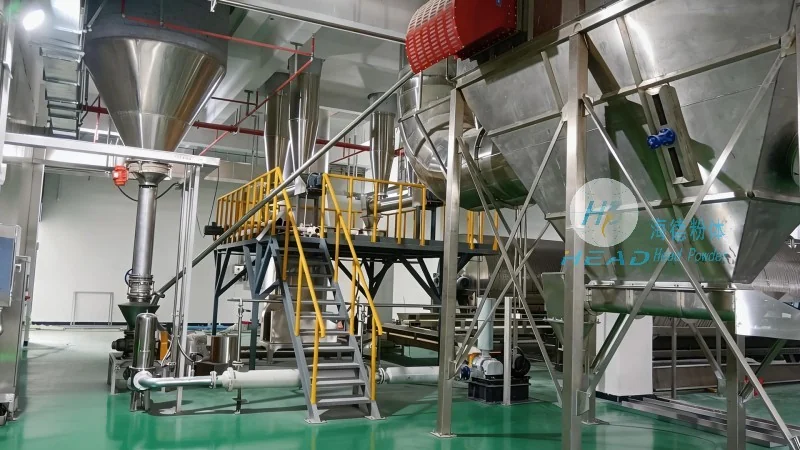
Conclusion and Company Overview
In conclusion, the Alumina Hydroxide Powder Conveying Line is a sophisticated and essential component of modern industrial operations. Developed by Shandong HeadPowder Engineering Co., Ltd., this system combines advanced design principles with robust components to ensure efficient, safe, and reliable transport of alumina hydroxide. The key to its success lies in the integration of specialized feeders, conveyors, dust collection systems, and control units, all working together to address the unique challenges of fine powder handling. The design principles of the system, including material selection, air flow management, and safety features, ensure that it operates at peak efficiency while maintaining the highest standards of safety and environmental responsibility. For industries relying on alumina hydroxide as a critical raw material, this conveying line represents a valuable investment that enhances productivity, product quality, and operational safety. Shandong HeadPowder Engineering Co., Ltd., with its expertise in powder handling technology, continues to provide innovative solutions that meet the evolving needs of the industrial sector, ensuring that the Alumina Hydroxide Powder Conveying Line remains a cornerstone of efficient material transport in various applications.