For industrial applications involving the handling of amino acetic acid powder, a specialized conveying line is essential to ensure efficient and safe material transport. This article explores the concept of an amino acetic acid powder conveying line, detailing its design principles and key components that enable reliable operation in powder processing environments.
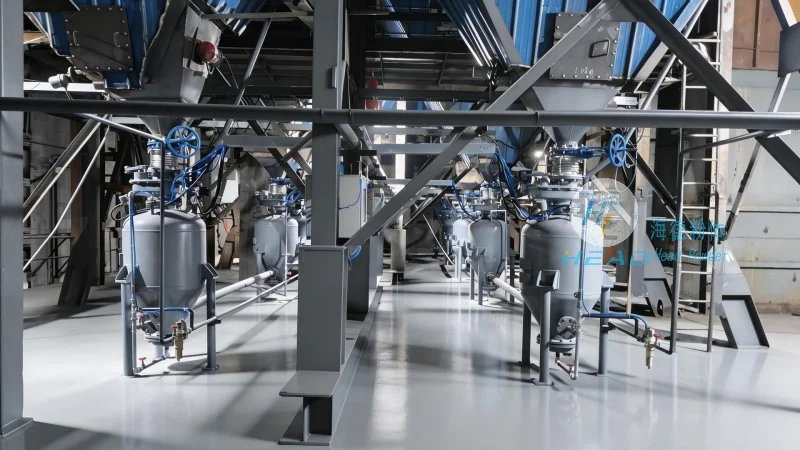
Introduction to Amino Acetic Acid Powder Conveying Lines
An amino acetic acid powder conveying line is a system engineered to transport amino acetic acid powder from a source, such as a storage silo or hopper, to a destination like a processing unit or packaging station. These lines are critical in industries where precise control over powder flow, dust containment, and material integrity is paramount. The design of such systems must address the unique properties of amino acetic acid powder, including its hygroscopic nature, potential for static charge buildup, and the need for minimal product degradation during transport.
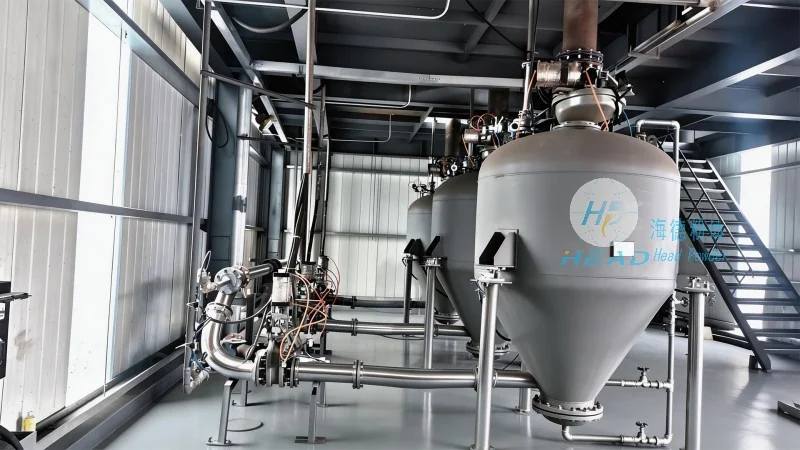
Key Components of the Amino Acetic Acid Powder Conveying Line
The conveying line typically consists of several interconnected components that work in tandem to achieve efficient material movement. These include a feeding device, conveying equipment (such as screw conveyors or pneumatic systems), a control system, and a dust collection unit. The feeding device, often a rotary valve or a metering feeder, regulates the flow of powder from the source to the conveying equipment. The conveying equipment, selected based on the powder's characteristics and the required transport distance, ensures the powder moves smoothly without clogging or degradation. The control system monitors and adjusts parameters like speed and pressure to maintain optimal performance. Finally, the dust collection unit captures any airborne particles, ensuring compliance with environmental regulations and maintaining a safe working environment.
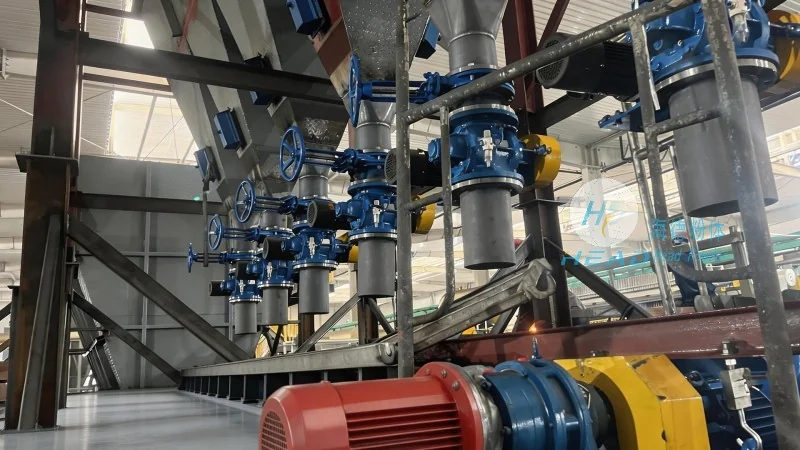
Design Principles for Amino Acetic Acid Powder Conveying Lines
The design of an amino acetic acid powder conveying line is guided by several key principles aimed at maximizing efficiency, safety, and product quality. First, the system must be designed to minimize the risk of material degradation. This involves selecting materials of construction that are resistant to corrosion and wear, and avoiding components that could introduce contaminants. For amino acetic acid, which is hygroscopic, the conveying line should be equipped with moisture-resistant materials and possibly a dehumidification system to prevent clumping or caking. Second, the design must address the potential for static charge buildup. Amino acetic acid powder is prone to generating static electricity, which can lead to dust explosions or material sticking to equipment. Therefore, anti-static measures, such as grounding and conductive materials, are incorporated into the design. Third, the system must ensure consistent and controlled flow. Variable speed drives and flow meters are used to regulate the powder flow rate, preventing overloading or underloading of the conveying equipment. Finally, the design must prioritize safety and environmental compliance. Dust collection systems, explosion-proof components, and proper ventilation are integral to meeting these requirements.
Application and Benefits of the Amino Acetic Acid Powder Conveying Line
The amino acetic acid powder conveying line is widely used in various industrial applications, including chemical manufacturing, pharmaceutical processing, and food production. Its primary benefits include improved process efficiency, reduced labor costs, and enhanced safety. By automating the powder transport process, the line minimizes the need for manual handling, which reduces the risk of product contamination and worker exposure to dust. Additionally, the system's ability to maintain consistent flow rates ensures that downstream processes operate smoothly, reducing downtime and increasing overall productivity. The design's focus on dust containment and static control also helps maintain a clean and safe working environment, which is crucial for industries where product purity and worker health are top priorities.
Conclusion
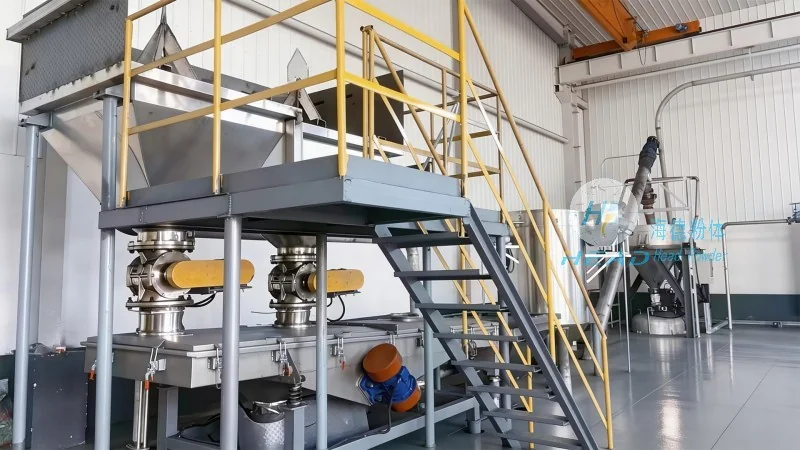
In summary, an amino acetic acid powder conveying line is a sophisticated system designed to handle the unique challenges of transporting this specific powder. The design principles, including material selection, anti-static measures, and dust control, are critical to ensuring the line operates efficiently and safely. Companies like Shandong HeadPowder Engineering Co., Ltd., with their expertise in powder handling systems, provide tailored solutions that meet the specific needs of amino acetic acid processing facilities. By investing in a well-designed conveying line, industries can enhance their operational efficiency, improve product quality, and maintain compliance with safety and environmental regulations.




