

What is a Baking Soda Powder Conveying Line? What Are Its Design Principles?
For industries dealing with baking soda, an efficient and reliable powder conveying line is crucial for maintaining production efficiency and product quality. This article, presented by Shandong HeadPowder Engineering Co., Ltd. (headpowder), will explore the concept of a baking soda powder conveying line and delve into its core design principles, providing insights into how such systems are engineered to meet the specific demands of powder handling in various industrial applications.
Understanding Baking Soda Powder Conveying Lines
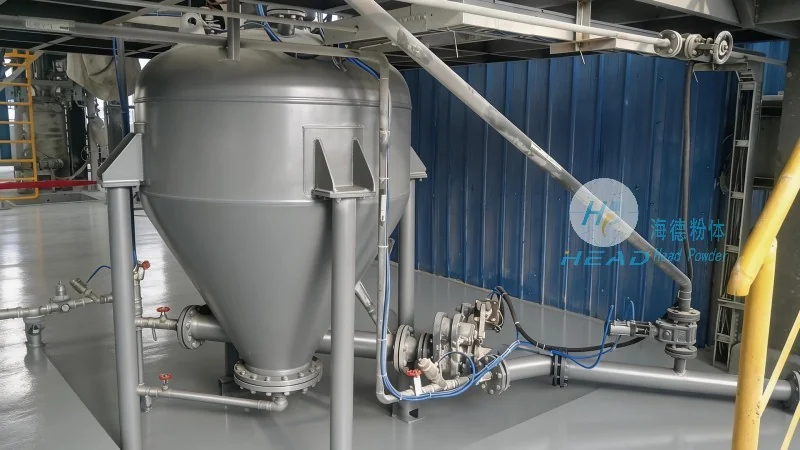
A baking soda powder conveying line is a specialized system designed to transport sodium bicarbonate (baking soda) from storage to processing or packaging areas. These systems are essential in industries such as food manufacturing, pharmaceuticals, and chemical processing, where consistent and controlled movement of the powder is vital. The line typically includes components like hoppers, conveyors, dust collection systems, and control mechanisms, all working in tandem to ensure smooth and safe operation.
Key Components of a Baking Soda Powder Conveying Line
The design of a baking soda powder conveying line involves several critical components that work together to achieve efficient powder handling. These components include:
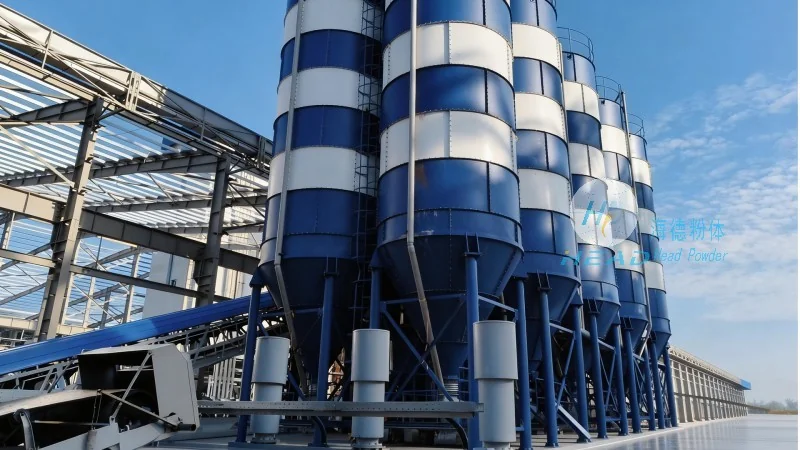
- Storage Hoppers: Large containers that hold the baking soda powder, providing a consistent feed to the conveying system. The hoppers are often equipped with level sensors to monitor the powder quantity and prevent overfilling.
- Pneumatic Conveyors: These systems use air pressure to move the powder through pipelines. Pneumatic conveyors are ideal for handling fine powders like baking soda, as they minimize product degradation and contamination. There are two main types: dilute-phase and dense-phase pneumatic conveyors, each suited for different flow rates and distances.
- Rotary Valves: Used to control the flow of powder from the hoppers into the conveying line. These valves ensure a controlled and steady feed, preventing blockages and maintaining system efficiency.
- Dust Collection Systems: Essential for maintaining a clean and safe working environment. These systems capture any airborne powder particles, preventing dust accumulation and ensuring compliance with industrial safety standards.
- Control Panels: Integrated systems that monitor and control all aspects of the conveying line, including flow rates, pressure, and system status. Modern control panels often feature automation capabilities, allowing for remote monitoring and adjustments.
Design Principles for Efficient Powder Conveying
The design of a baking soda powder conveying line is guided by several key principles aimed at optimizing performance, safety, and reliability. These principles include:
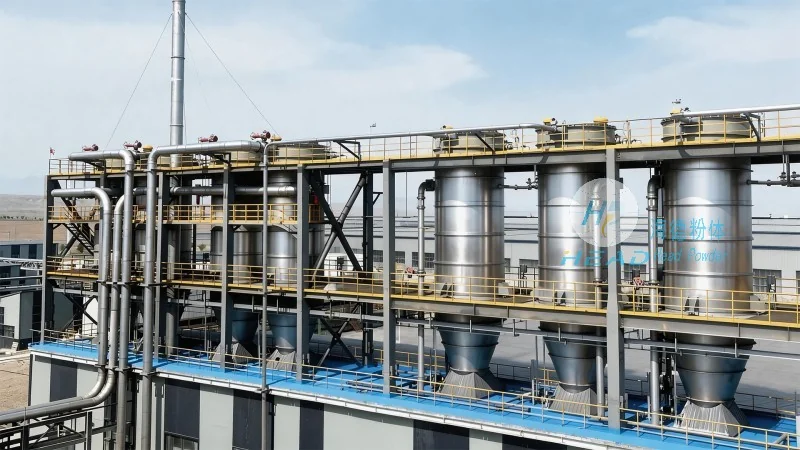
- Minimizing Powder Degradation: Baking soda is a delicate powder that can degrade if subjected to excessive pressure or friction. The design incorporates smooth surfaces and gentle handling mechanisms to preserve the powder's quality and prevent clumping.
- Preventing Clogging and Blockages: Clogging is a common issue in powder conveying systems. The design uses appropriate pipe diameters, flow rates, and material selection to minimize the risk of blockages. Additionally, self-cleaning features and regular maintenance schedules are incorporated to ensure continuous operation.
- Ensuring Safety and Compliance: The system is designed to meet industrial safety standards, including explosion-proof components for handling potentially flammable or reactive powders. Dust collection systems and proper ventilation are critical to maintaining a safe working environment.
- Optimizing Energy Efficiency: Modern conveying lines are designed to minimize energy consumption. This includes using efficient motors, optimizing air pressure, and reducing unnecessary friction in the system.
Applications and Benefits of Baking Soda Powder Conveying Lines
Baking soda powder conveying lines are widely used in various industries due to their versatility and efficiency. Some common applications include:
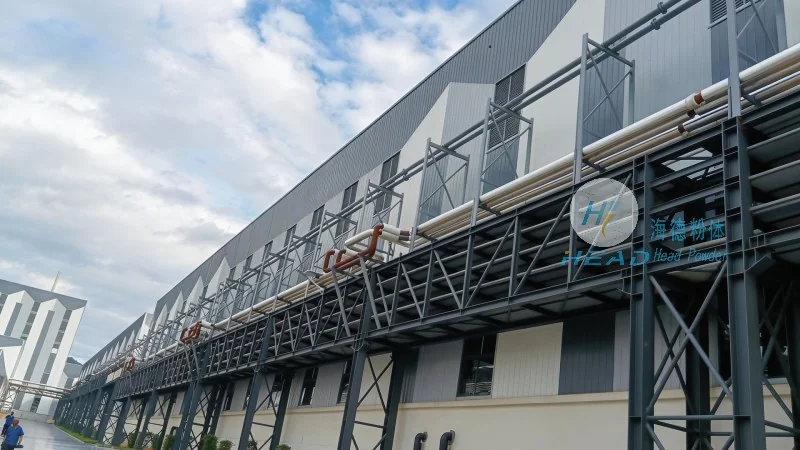
- Food Manufacturing: In the production of baking soda-based products, such as baking powders and leavening agents, a conveying line ensures a consistent supply of raw material to the production line.
- Pharmaceuticals: In the pharmaceutical industry, baking soda is used as an excipient or active ingredient. The conveying line ensures that the powder is handled hygienically and in compliance with GMP (Good Manufacturing Practice) standards.
- Chemical Processing: In chemical plants, baking soda is used in various processes, including neutralization and cleaning. The conveying line allows for the safe and efficient transport of the powder to these processes.
The benefits of using a well-designed baking soda powder conveying line include improved production efficiency, reduced downtime due to blockages, enhanced safety, and better product quality. By ensuring that the powder is handled gently and consistently, these systems help maintain the purity and effectiveness of the baking soda, which is critical for its intended applications.
Conclusion
A baking soda powder conveying line is a sophisticated system that plays a vital role in industries relying on this versatile powder. The design principles, components, and applications of such systems are tailored to meet the specific needs of each industry, ensuring efficient, safe, and reliable powder handling. For businesses in need of a reliable conveying solution, understanding the design and functionality of these systems is essential for optimizing production and maintaining product quality.