

What is a urea pneumatic conveying system? What are its design principles?
Urea pneumatic conveying systems are essential equipment used in the fertilizer industry to transport urea, a key nitrogen-based fertilizer, from storage to processing or packaging facilities. These systems utilize air or other gases to move the urea particles through a pipeline, offering a efficient and flexible method for material handling. The design of such systems is critical to ensure reliable operation, minimize material degradation, and maintain high throughput. Shandong HeadPowder Engineering Co., Ltd., a leading manufacturer based in Shandong, China, specializes in the design and fabrication of these systems, leveraging years of experience in the fertilizer industry to deliver high-quality solutions.
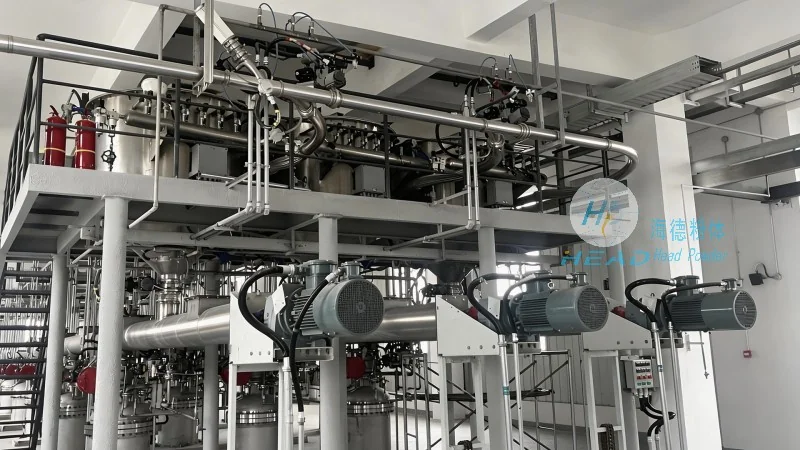
Key Components of a Urea Pneumatic Conveying System
The core components of a urea pneumatic conveying system typically include a hopper for material storage, a feeder to control the flow rate, a conveyor line (often a pipeline), a blower or compressor to generate the air flow, and a receiver or silo for the discharged material. Each component plays a vital role in the overall performance of the system. The hopper ensures a consistent supply of urea, while the feeder regulates the amount of material entering the conveyor line, preventing overloading and maintaining stable operation. The blower or compressor provides the necessary pressure or vacuum to move the urea particles through the pipeline, and the receiver collects the material at the end of the line.
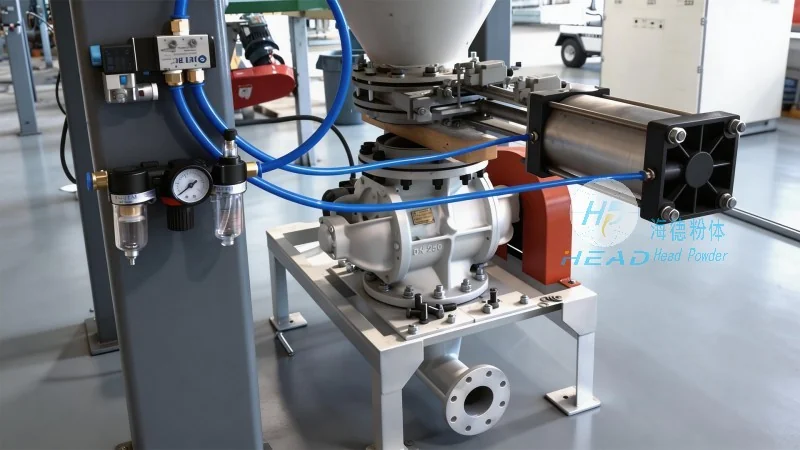
Design Principles for Urea Pneumatic Conveying
The design principles of urea pneumatic conveying systems focus on several key factors to ensure optimal performance. First, the system must be designed to handle the specific properties of urea, including its particle size, density, and flow characteristics. Urea particles are typically fine and can be prone to bridging or caking in hoppers, which can affect the flow rate and system efficiency. Therefore, the hopper design often incorporates features like agitators or vibrators to prevent material buildup and ensure smooth flow. Second, the air flow rate and pressure must be carefully calculated to achieve the desired conveying velocity without causing excessive wear on the pipeline or components. The conveying velocity is crucial as it determines the distance and height the urea can be transported, and it must be optimized to balance energy consumption and system reliability. Third, the system must be designed for easy maintenance and cleaning, as urea can adhere to surfaces and cause blockages over time. This includes features like cleaning ports and access panels that allow for regular maintenance to keep the system operating at peak efficiency.
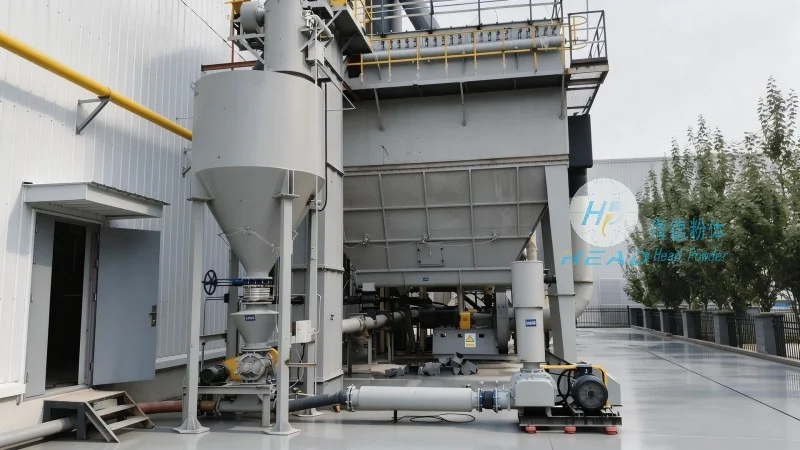
Advantages of Using Urea Pneumatic Conveying Systems
Urea pneumatic conveying systems offer several advantages over traditional mechanical conveying methods. One of the primary benefits is the ability to transport urea over long distances and at varying heights without the need for multiple transfer points or elevators. This reduces the overall footprint of the facility and simplifies the layout. Additionally, pneumatic conveying systems can handle varying material loads and flow rates, making them adaptable to different production schedules and demand fluctuations. The systems also provide a more hygienic and dust-free environment compared to mechanical systems, which is important for maintaining product quality and meeting regulatory standards. Furthermore, the use of air as the conveying medium allows for the integration of other processes, such as cooling or drying, into the system, enhancing overall efficiency.
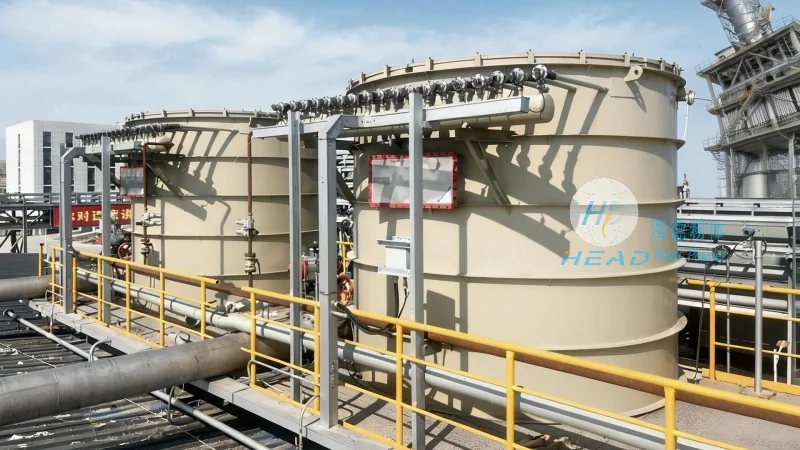
Application and Installation Considerations
When implementing a urea pneumatic conveying system, several factors must be considered to ensure successful operation. The system must be installed according to the manufacturer's specifications, taking into account the site's layout, available space, and environmental conditions. Proper alignment of the pipeline and components is essential to prevent leaks and ensure smooth material flow. The system should also be equipped with appropriate safety features, such as pressure relief valves and dust collection systems, to protect operators and the environment. Additionally, regular maintenance and monitoring are necessary to detect and address any issues before they lead to system failure. This includes checking the condition of the pipeline, inspecting the blower or compressor for wear, and cleaning the hopper and receiver to prevent material buildup.