Ammonia fertilizers are critical components in modern agricultural practices, providing essential nitrogen to enhance crop yields. The efficient and safe transportation of these materials is paramount for both producers and end-users. This article provides a detailed comparison of common ammonia fertilizer transportation methods, highlighting their respective advantages and disadvantages. The information is presented by Shandong HeadPowder Engineering Co., Ltd., a leading manufacturer based in China, with operations centered in Shandong Province.
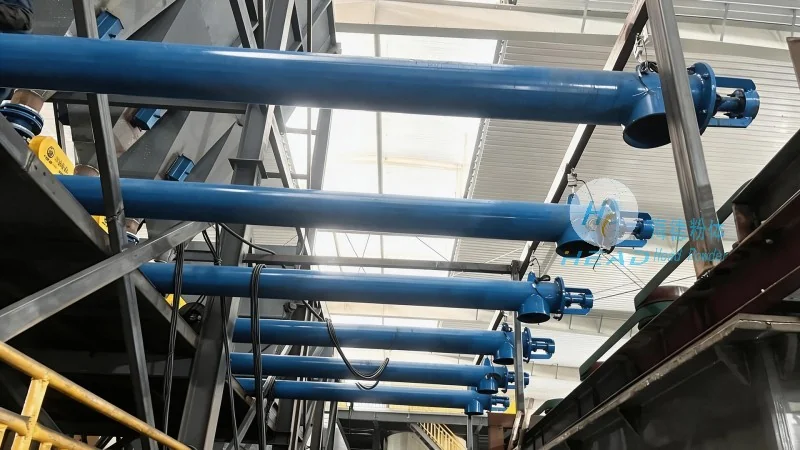
Overview of Ammonia Fertilizer Transportation
Ammonia fertilizers are typically transported in specialized equipment designed to handle the high pressure and corrosive nature of the substance. The primary methods include pipeline transport, truck transportation (tanker trucks), and rail transport. Each method has distinct characteristics that influence its suitability for different scenarios, such as distance, volume, and infrastructure availability.
Pipeline Transportation: The Most Efficient Long-Distance Option
Pipeline transport is widely regarded as the most efficient method for moving large volumes of ammonia over long distances. This method involves pumping ammonia through a network of underground pipes, which can span hundreds or even thousands of kilometers. The primary advantage of pipeline transport is its high capacity and continuous operation, which minimizes the need for intermediate storage and handling. Additionally, pipelines reduce the risk of accidents associated with road or rail transport, as they are enclosed systems. However, the initial investment for pipeline construction is substantial, and the infrastructure is often limited to areas with existing networks. Furthermore, maintenance and repair of pipelines can be costly and disruptive. The method is most suitable for regions with established infrastructure and for bulk supply to large agricultural areas.
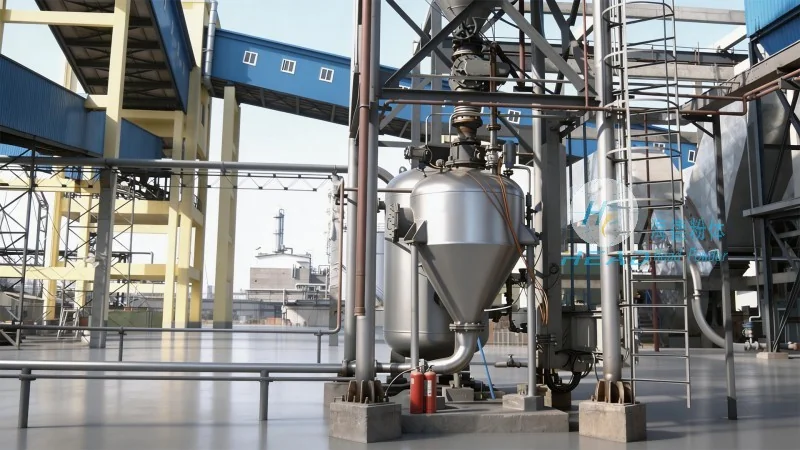
Truck Transportation: Flexibility and Accessibility
Truck transportation, particularly using specialized tanker trucks, offers flexibility and accessibility for ammonia fertilizer delivery. This method is ideal for short to medium distances and for delivering smaller quantities to farms or distribution centers. The primary advantage is the ability to reach remote or hard-to-access locations that are not served by pipelines or rail. Truck transport also allows for quicker response times to meet the immediate needs of farmers. However, the method has limitations in terms of volume and distance. The capacity of a single truck is typically lower than that of a pipeline or a rail car, and the cost per unit increases with longer distances. Additionally, road safety regulations and traffic conditions can impact delivery schedules and increase operational costs. Truck transport is best suited for localized distribution and for supplementing pipeline or rail networks.
Rail Transportation: Combining Volume and Cost Efficiency
Rail transportation provides a balance between volume capacity and cost efficiency, making it an attractive option for medium to long-distance transport. Ammonia is often transported in specialized railcars, which are designed to withstand the pressure and corrosive properties of the material. The primary advantage of rail transport is its high capacity, which allows for the movement of large quantities over long distances at a lower cost per unit compared to truck transport. Rail networks can also connect to existing pipeline systems, facilitating the transfer of ammonia to different regions. However, rail transport is less flexible than truck transport and requires access to rail infrastructure. The loading and unloading processes can be time-consuming, and the schedule is often fixed, which may not align with the immediate needs of end-users. Rail transport is most effective for bulk supply to major agricultural regions and for connecting remote areas to the main supply chain.
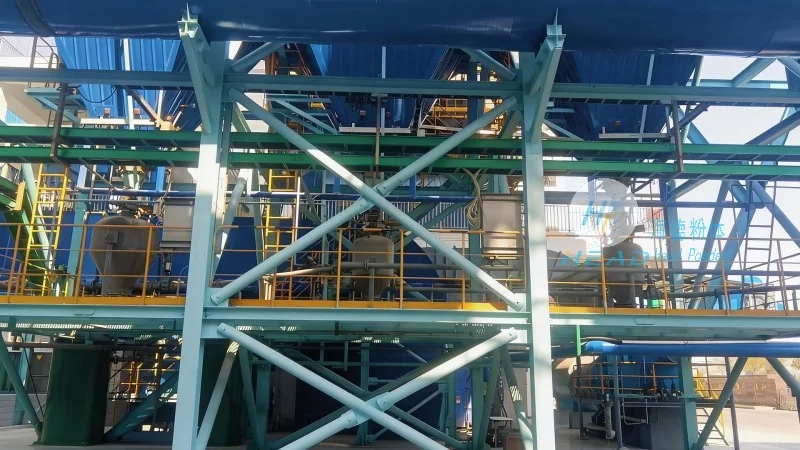
Comparative Analysis: Key Factors to Consider
When selecting an ammonia fertilizer transportation method, several factors must be considered, including distance, volume, infrastructure availability, and cost. Pipeline transport excels in long-distance, high-volume scenarios but requires significant upfront investment. Truck transport offers flexibility and accessibility for shorter distances and smaller volumes, though it is less cost-effective for bulk transport. Rail transport provides a middle ground, combining volume capacity with cost efficiency, but is limited by rail infrastructure and scheduling constraints. The choice of method should be tailored to the specific needs of the agricultural operation and the existing transportation infrastructure. For instance, a large-scale farming cooperative with access to a pipeline network may prefer pipeline transport, while a small farm in a remote area may rely on truck transport. Ultimately, the goal is to ensure the safe, efficient, and cost-effective delivery of ammonia fertilizers to support agricultural productivity.
Shandong HeadPowder Engineering Co., Ltd. specializes in the design and manufacturing of equipment for ammonia fertilizer handling and transportation. With a focus on innovation and quality, the company provides solutions tailored to the diverse needs of the agricultural industry. Based in Shandong, China, HeadPowder Engineering leverages its expertise to support the efficient supply of ammonia fertilizers, contributing to sustainable agricultural practices worldwide.




