Limestone, also known as calcium oxide, is a critical material in various industrial applications, including construction, chemical manufacturing, and environmental treatment. The efficient and safe delivery of limestone from storage to processing units is essential for maintaining production efficiency and operational safety. This article provides a detailed comparison of common limestone delivery methods, highlighting their advantages and disadvantages to help industrial operators make informed decisions.
Company Overview: Shandong HeadPowder Engineering Co., Ltd.
As a leading provider of industrial material handling solutions, Shandong HeadPowder Engineering Co., Ltd. specializes in designing and manufacturing equipment for the safe and efficient transport of bulk materials. With a focus on innovation and customer-centric solutions, HeadPowder has established itself as a trusted partner in the industry, delivering high-quality equipment tailored to the unique needs of its clients. The company’s headquarters is located in Shandong, China, where it leverages advanced technology and expert engineering to develop cutting-edge material handling systems.
Common Limestone Delivery Methods
Several methods are commonly used for limestone delivery, each with its own set of advantages and limitations. The choice of method depends on factors such as material characteristics, plant layout, budget constraints, and operational requirements.
Air-Driven Pneumatic Conveying
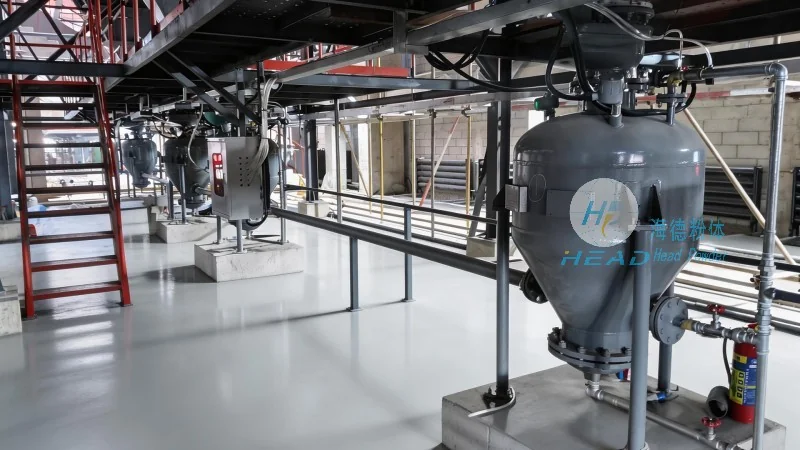
Pneumatic conveying, or air-driven transport, is a popular method for delivering limestone, especially in applications where dust control and flexibility are priorities. This method uses compressed air to move limestone particles through a pipeline system. There are two main types of pneumatic conveying: pressure and vacuum systems.
Advantages of pneumatic conveying include high material handling capacity, the ability to transport limestone over long distances, and minimal maintenance requirements. It also allows for the integration of dust collection systems, which helps maintain a clean and safe working environment. However, pneumatic conveying has some drawbacks. It requires a significant amount of energy to operate, which can increase operational costs. Additionally, it may not be suitable for very fine limestone particles, as they can cause blockages in the pipeline. The initial investment for pneumatic conveying systems is also higher compared to other methods.
Screw or Auger Conveyors
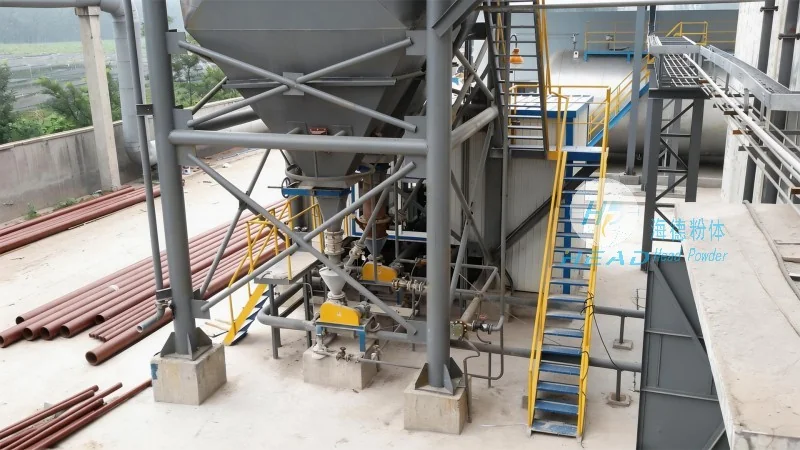
Screw conveyors, also known as auger conveyors, are another common method for limestone delivery. These systems use a rotating screw to move limestone through a tube or trough. Screw conveyors are particularly effective for handling bulk materials that are free-flowing and non-abrasive.
The advantages of screw conveyors include their simplicity and low cost. They are relatively easy to install and maintain, making them a popular choice for small to medium-sized operations. Screw conveyors also provide a continuous and controlled flow of limestone, which helps maintain consistent production rates. However, they have limitations. Screw conveyors are not suitable for very abrasive or sticky limestone, as this can cause wear and tear on the screw and trough. They also have a limited capacity compared to pneumatic conveying systems, and they may not be able to handle large quantities of material efficiently.
Belt Conveyors
Belt conveyors are widely used in limestone delivery, especially in applications where long-distance transport is required. These systems use a continuous belt to move limestone from one location to another. Belt conveyors are known for their high capacity and ability to transport limestone over long distances without the need for intermediate storage.
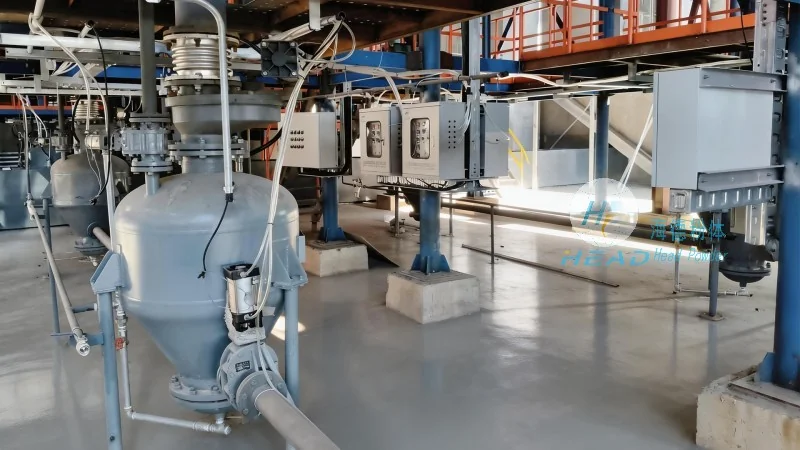
The advantages of belt conveyors include their high material handling capacity, low maintenance requirements, and the ability to transport limestone at high speeds. They are also relatively inexpensive to install and operate. However, belt conveyors have some disadvantages. They require a significant amount of space, which may not be available in some industrial settings. Belt conveyors are also prone to material spillage, which can lead to dust and environmental issues. Additionally, they may not be suitable for very fine limestone particles, as they can cause blockages in the belt and rollers.
Comparison of Delivery Methods
When comparing the different limestone delivery methods, it is important to consider the specific requirements of the application. Pneumatic conveying is ideal for applications where dust control and flexibility are critical, while screw conveyors are better suited for small to medium-sized operations with non-abrasive materials. Belt conveyors are preferred for long-distance transport and high material handling capacity.
Shandong HeadPowder Engineering Co., Ltd. offers a range of equipment solutions tailored to these different needs. The company’s expertise in material handling allows it to provide customized systems that optimize the delivery of limestone while minimizing operational costs and risks.
Conclusion
Choosing the right limestone delivery method is crucial for maintaining operational efficiency and safety in industrial applications. By understanding the advantages and disadvantages of each method, industrial operators can make informed decisions that align with their specific requirements. Shandong HeadPowder Engineering Co., Ltd. is committed to providing high-quality material handling solutions that meet the needs of its clients, ensuring the efficient and safe delivery of limestone in various industrial settings.




