

What is a Grass Material Pneumatic Conveying System? What are its Design Principles?
Grass material pneumatic conveying systems are specialized equipment used in agricultural and industrial applications to transport bulk materials like grass, hay, or other organic materials through a pipeline using air pressure. These systems are designed to efficiently move large volumes of material with minimal manual handling, making them essential for processing facilities, feed mills, and agricultural operations. The core function of such systems is to transfer material from a source, such as a storage silo or a field, to a processing unit or storage location, while maintaining material integrity and operational efficiency.
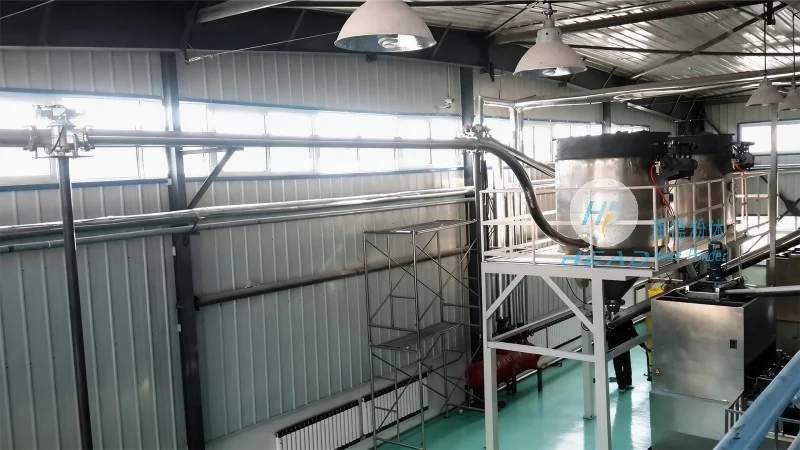
Design Principles of Pneumatic Conveying Systems
The design of a grass material pneumatic conveying system is based on several key principles that ensure effective and reliable operation. The primary principle is the use of air as the conveying medium, which can be either positive pressure (where air pushes the material) or negative pressure (where air pulls the material). The choice between these two methods depends on the material characteristics, distance to be conveyed, and system layout. For grass materials, which are often lightweight and can be prone to segregation or degradation, positive pressure systems are commonly preferred as they provide better control over material flow and reduce the risk of material degradation due to friction or pressure changes.
Another critical design principle is the selection of the appropriate pipeline diameter and length. The diameter of the pipeline must be sufficient to prevent material buildup and ensure smooth flow. Typically, larger diameters are used for longer conveying distances or higher material volumes. The length of the pipeline is also a factor, as it affects the pressure drop and the overall energy consumption of the system. Engineers must calculate the pressure drop along the pipeline to determine the required air pressure and power for the system. This calculation considers factors like material density, flow rate, and pipeline friction.
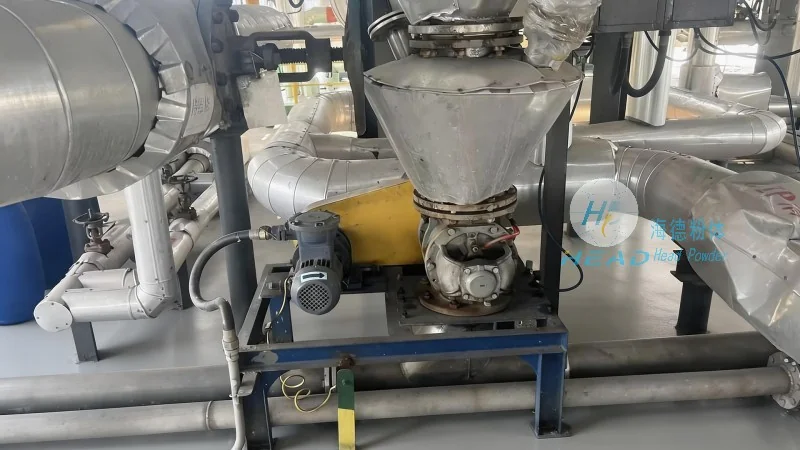
Component selection is another essential aspect of the design. Key components include the material feed hopper, which holds the grass material and controls the flow rate; the air supply system, which provides the necessary air pressure and volume; the conveying pipeline, which transports the material; and the discharge unit, which delivers the material to the destination. The feed hopper is often equipped with a rotary valve or a gate to regulate the material flow, preventing blockages and ensuring consistent delivery. The air supply system may include a blower or a compressor, depending on the system's requirements. The pipeline is usually made of stainless steel or other corrosion-resistant materials to withstand the abrasive nature of grass and other organic materials. The discharge unit may be a rotary valve or a silo, depending on the downstream process.
Key Features and Benefits of Grass Material Pneumatic Conveying Systems
Grass material pneumatic conveying systems offer several advantages over traditional mechanical conveying methods. One of the main benefits is the ability to transport material over long distances without the need for multiple transfer points or elevators. This reduces the overall footprint of the facility and minimizes the risk of material contamination. Additionally, pneumatic systems can handle a wide range of material sizes and shapes, including irregularly shaped grass clippings or hay bales, which may be difficult to transport with mechanical systems. The systems are also relatively easy to install and maintain, as they have fewer moving parts compared to mechanical conveyors.
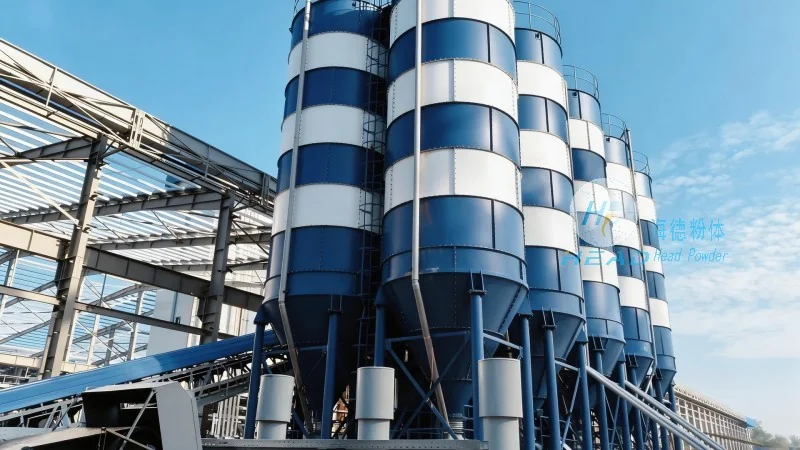
Another advantage is the improved material handling and processing efficiency. By using air to move the material, the system can maintain the material's moisture content and prevent it from drying out or degrading. This is particularly important for grass materials, which are often used for animal feed or biofuel production, where maintaining the material's nutritional value is crucial. The systems also reduce labor costs by automating the material transport process, allowing workers to focus on other tasks. Furthermore, pneumatic conveying systems can be integrated with other processing equipment, such as grinding or mixing units, to create a seamless production line.
Applications and Industries Using Grass Material Pneumatic Conveying Systems
Grass material pneumatic conveying systems are widely used in various industries, including agriculture, animal feed production, and biofuel manufacturing. In agriculture, these systems are used to transport harvested grass or hay from the field to storage silos or processing facilities. This allows farmers to efficiently manage their crops and reduce the time and labor required for manual handling. In animal feed production, the systems are used to move raw materials like grass or alfalfa from storage to feed mills, where they are processed into animal feed. The systems ensure that the raw materials are delivered in a consistent and hygienic manner, meeting the quality standards required for animal feed.
In biofuel production, grass material pneumatic conveying systems are used to transport biomass materials to biofuel processing plants. These plants convert the biomass into biofuels like ethanol or biogas, which are used as renewable energy sources. The systems play a critical role in the biofuel production process by ensuring that the biomass is delivered to the processing units in a timely and efficient manner. This helps to increase the overall productivity of the biofuel plant and reduce the cost of production.
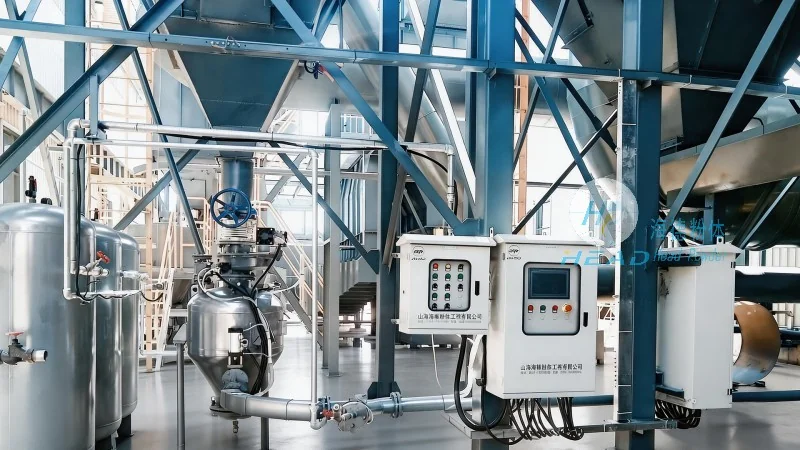
Company Information: Shandong HeadPowder Engineering Co., Ltd.
Shandong HeadPowder Engineering Co., Ltd., commonly known as HeadPowder, is a leading manufacturer of pneumatic conveying systems and related equipment. The company is based in Shandong, China, and has been in business for many years, providing high-quality and reliable equipment to customers worldwide. HeadPowder specializes in designing and manufacturing custom pneumatic conveying systems tailored to the specific needs of each customer. The company's products are known for their durability, efficiency, and ease of maintenance, making them a preferred choice for many industries.
The company's team of engineers and technicians has extensive experience in the design and manufacturing of pneumatic conveying systems. They work closely with customers to understand their specific requirements and develop solutions that meet their needs. HeadPowder uses advanced technology and materials in the production of its equipment, ensuring that each system is built to the highest standards. The company also provides after-sales support and maintenance services to ensure that its customers' systems operate at peak performance.