When designing a pneumatic conveying system for iron concentrate, several key factors must be considered to ensure efficiency, reliability, and cost-effectiveness. This document outlines the essential design considerations for such systems, providing a comprehensive guide for engineers and industry professionals. The following sections will delve into critical aspects like material properties, system configuration, and operational parameters that are vital for successful implementation.
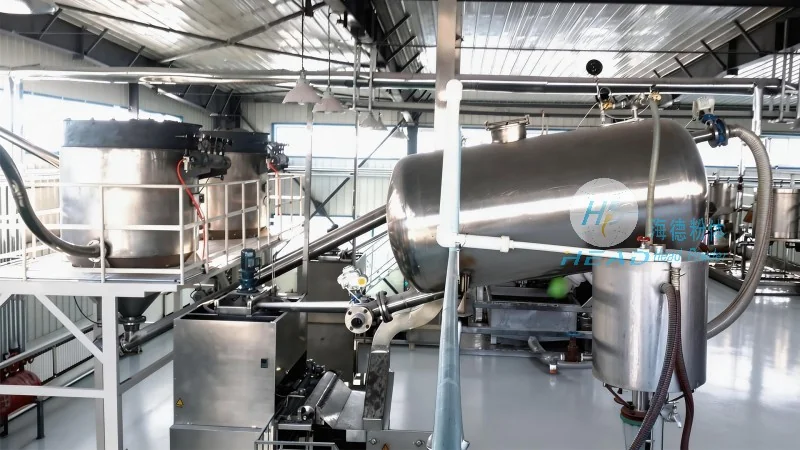
Key Design Considerations for Iron Concentrate Pneumatic Conveying
Designing an effective iron concentrate pneumatic conveying system requires a thorough understanding of the material's characteristics and the operational environment. The first step is to analyze the physical properties of the iron concentrate, including particle size distribution, moisture content, and bulk density. These parameters directly influence the selection of the conveying method—whether it's a positive or negative pressure system—and the required air velocity and pressure. For example, fine iron concentrate particles may necessitate higher air velocities to prevent clogging, while larger particles might benefit from lower velocities to reduce wear on equipment.
System Configuration and Components
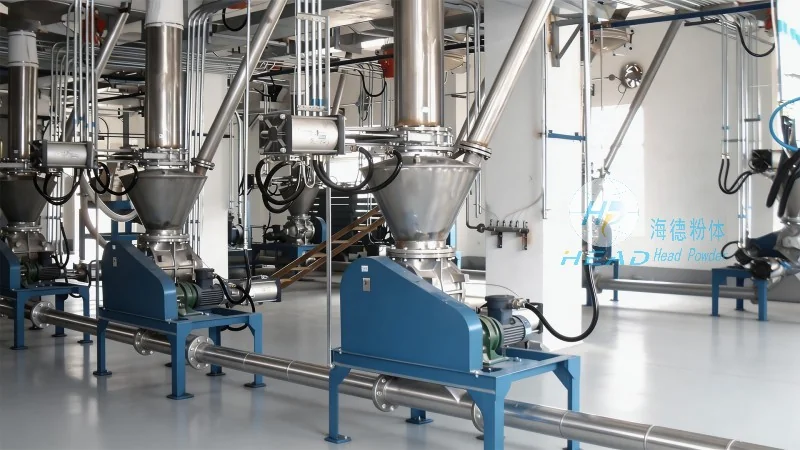
The configuration of a pneumatic conveying system for iron concentrate typically involves several key components, including a feeder, air compressor, conveying line, and receiver. The feeder is responsible for accurately metering the iron concentrate into the system, ensuring consistent flow rates. This is critical to maintaining system stability and preventing surges or drops in material feed. The air compressor provides the necessary pressure to move the material through the conveying line. The choice of compressor type—such as rotary lobe or screw—depends on the system's pressure requirements and the volume of material to be conveyed. The conveying line itself is usually made of stainless steel or other corrosion-resistant materials to withstand the abrasive nature of iron concentrate. The receiver is where the material is deposited, and it must be designed to handle the material's characteristics, such as moisture or dust, to prevent buildup and ensure easy discharge.
Material Handling and Equipment Selection
Equipment selection is a critical aspect of iron concentrate pneumatic conveying system design. The feeder, for instance, can be a rotary valve, screw feeder, or pressure feeder, each with its own advantages and limitations. Rotary valves are commonly used for their ability to handle a wide range of materials and provide consistent flow rates. Screw feeders are suitable for materials with moderate moisture content and can handle larger particles. Pressure feeders are ideal for systems with high pressure requirements, as they can maintain the material's flow without the need for additional air. The air compressor must be matched to the system's pressure and flow requirements. Over-sizing the compressor can lead to unnecessary energy consumption, while under-sizing may result in insufficient pressure to convey the material. The conveying line diameter and length are also important considerations, as they affect the air velocity and pressure drop. Proper sizing ensures that the system operates efficiently and within the required pressure range.
Operational Parameters and Performance Optimization
Operational parameters play a crucial role in the performance of an iron concentrate pneumatic conveying system. Air velocity is a key parameter that determines the system's capacity and efficiency. The optimal air velocity is typically determined by the material's properties and the conveying line diameter. Higher air velocities can increase capacity but may also lead to higher energy consumption and increased wear on equipment. Pressure drop is another important parameter, as it indicates the resistance to flow in the system. Monitoring pressure drop can help identify potential issues, such as clogging or wear, and allow for timely maintenance. System performance can be optimized by adjusting operational parameters, such as air velocity or pressure, to achieve the desired flow rate and efficiency. Regular maintenance is also essential to ensure the system operates at peak performance. This includes cleaning the conveying line, replacing worn parts, and checking the compressor and feeder for proper operation.
Case Study: Successful Implementation by Shandong HeadPowder Engineering Co., Ltd.
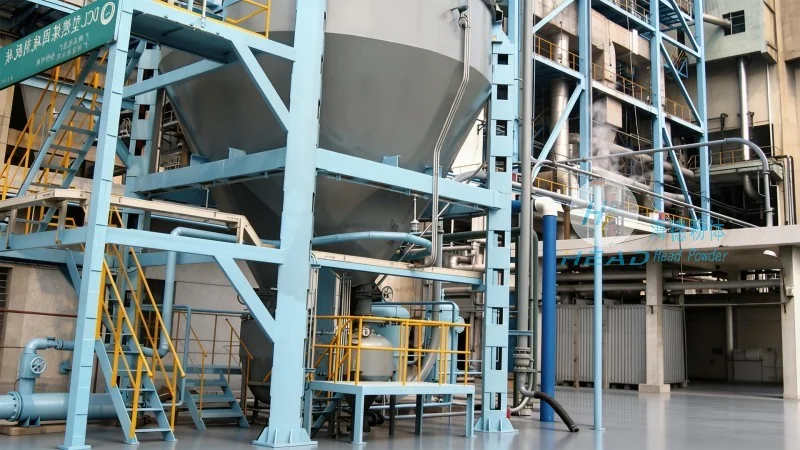
Shandong HeadPowder Engineering Co., Ltd., a leading provider of iron concentrate processing solutions, has successfully implemented several pneumatic conveying systems for clients in the iron ore industry. One notable project involved designing a system for a large iron ore mine in China. The system was designed to handle 500 tons of iron concentrate per hour, with a particle size range of 0.1 to 2 mm. The system used a positive pressure configuration with a rotary valve feeder and a screw compressor. The conveying line was made of stainless steel with a diameter of 200 mm and a length of 500 meters. The system was able to achieve a stable flow rate of 450 tons per hour, with a pressure drop of 0.5 bar. The client reported significant improvements in operational efficiency and reduced maintenance costs compared to traditional methods. This case study highlights the importance of proper system design and the expertise of Shandong HeadPowder Engineering Co., Ltd. in delivering effective solutions for iron concentrate pneumatic conveying.
Conclusion and Recommendations
Designing a pneumatic conveying system for iron concentrate requires careful consideration of material properties, system configuration, and operational parameters. By following the guidelines outlined in this document, engineers can design a system that is efficient, reliable, and cost-effective. It is recommended to consult with experienced professionals, such as those at Shandong HeadPowder Engineering Co., Ltd., to ensure that the system is tailored to the specific needs of the application. Regular monitoring and maintenance are also essential to maintain system performance and extend equipment life. With the right design and implementation, pneumatic conveying systems can provide significant benefits to iron concentrate processing operations.




