For companies in the construction and building materials industry, the efficient and reliable transportation of plaster powder is a critical operational challenge. The design of a pneumatic conveying system for plaster powder requires careful consideration of multiple factors to ensure optimal performance, safety, and cost-effectiveness. This article outlines key design considerations for such systems, presented by Shandong HeadPowder Engineering Co., Ltd., a leading provider of engineering solutions for material handling in China.
Understanding Plaster Powder Characteristics
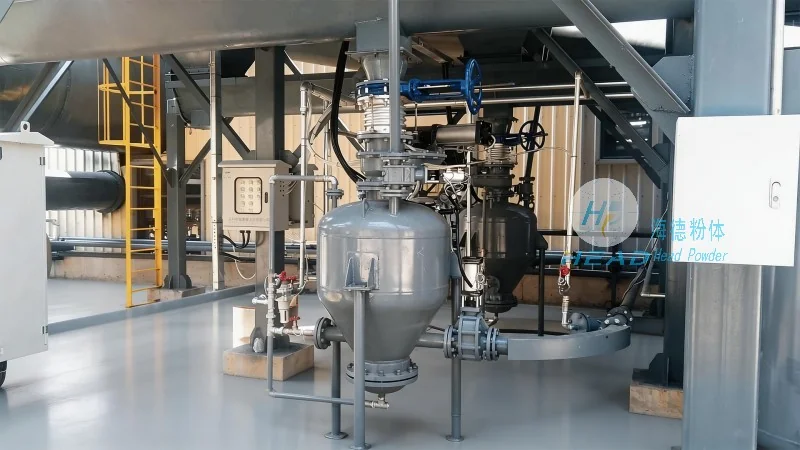
Before designing a pneumatic conveying system, it is essential to understand the physical and chemical properties of plaster powder. Plaster powder, typically composed of gypsum or other mineral components, has specific characteristics that influence system design. These include particle size distribution, bulk density, moisture content, and flowability. For instance, finer particles may require higher air velocities to prevent blockages, while higher moisture content can affect the powder's cohesion and the system's energy consumption. Shandong HeadPowder Engineering Co., Ltd. conducts thorough material analysis to tailor system designs to the unique properties of each client's plaster powder.
System Type Selection: Positive vs. Negative Pressure
The choice between positive pressure and negative pressure systems is a fundamental decision in pneumatic conveying. Positive pressure systems use compressed air to push material through the pipeline, while negative pressure systems use vacuum to draw material. Positive pressure systems are generally more suitable for long-distance or high-capacity applications, as they can maintain consistent air pressure and prevent material degradation. Negative pressure systems, on the other hand, are better for shorter distances or when the material is sensitive to air exposure. The selection depends on factors such as the conveying distance, material characteristics, and operational requirements. Shandong HeadPowder Engineering Co., Ltd. evaluates these factors to recommend the most appropriate system type for each project.
Key Design Elements: Pipeline Layout and Components
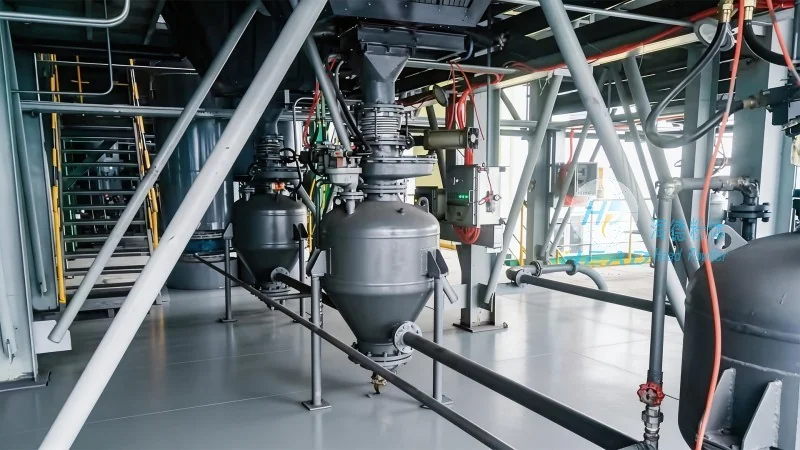
Effective pipeline layout is crucial for the smooth operation of a pneumatic conveying system. The design must consider the system's layout, including the number of branches, bends, and vertical lifts. Properly sized pipelines and appropriate fittings, such as elbows, tees, and check valves, are essential to maintain air velocity and prevent pressure drops. Vertical lifts require special attention, as they can cause material segregation and increased energy consumption. The use of pulse jet filters and cyclone separators is also critical to maintain system efficiency and prevent material buildup. Shandong HeadPowder Engineering Co., Ltd. employs advanced engineering software to simulate pipeline performance and optimize component placement for maximum efficiency.
Material Handling and Safety Considerations
Ensuring the safety of personnel and equipment is paramount in pneumatic conveying system design. Plaster powder can be dusty and may pose respiratory hazards if not handled properly. The system must include dust collection and filtration systems to maintain air quality and comply with environmental regulations. Additionally, the design must consider the risk of pressure build-up and the need for proper venting and relief valves. The use of explosion-proof components is necessary for systems handling potentially flammable powders, although plaster powder is typically non-flammable. Shandong HeadPowder Engineering Co., Ltd. integrates safety features into all system designs to meet local regulations and protect both personnel and equipment.
Energy Efficiency and Maintenance
Energy consumption is a significant factor in the long-term operation of a pneumatic conveying system. Designing for energy efficiency involves selecting the appropriate air compressor, optimizing air velocity, and minimizing pressure losses in the pipeline. Regular maintenance is also critical to ensure system longevity and performance. This includes routine cleaning of filters, checking for leaks, and inspecting components for wear and tear. Shandong HeadPowder Engineering Co., Ltd. provides comprehensive maintenance plans and training to clients, ensuring that their systems operate at peak efficiency and minimize downtime.
Case Study: Successful Implementation by Shandong HeadPowder Engineering Co., Ltd.
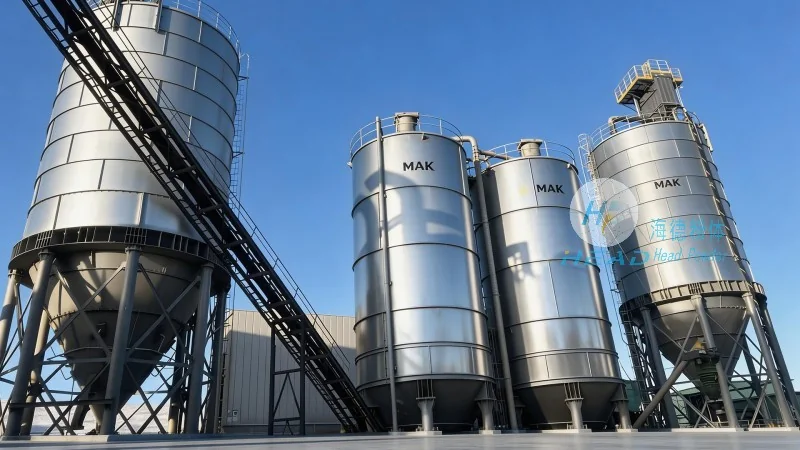
Shandong HeadPowder Engineering Co., Ltd. has successfully implemented numerous pneumatic conveying systems for clients in the plaster powder industry. One notable project involved a client in the construction materials sector requiring a system to transport plaster powder from a storage silo to a production facility over a distance of 200 meters. The system was designed as a positive pressure system with a horizontal pipeline and vertical lift. The design included a pulse jet filter and cyclone separator to maintain air quality and prevent material buildup. The system has been in operation for over three years, achieving a conveying capacity of 10 tons per hour with minimal maintenance. This success demonstrates the effectiveness of Shandong HeadPowder Engineering Co., Ltd.'s design approach and commitment to delivering reliable solutions.
Conclusion
Designing a pneumatic conveying system for plaster powder requires a comprehensive understanding of material properties, system types, and operational requirements. By carefully considering these factors, companies can achieve efficient, safe, and cost-effective material handling. Shandong HeadPowder Engineering Co., Ltd. specializes in providing tailored engineering solutions for pneumatic conveying systems, ensuring that clients receive systems that meet their specific needs and operational goals. With a focus on quality, safety, and efficiency, Shandong HeadPowder Engineering Co., Ltd. is a trusted partner for companies in the construction and building materials industry.




