Types, Features, and Applications of Flake Graphite Pneumatic Conveying
Release time:2026-09-14 10:47:30
name of the company:Shandong Headpowder Engineering Co., Ltd.
telephone:156-6277-7102
contacts:Zhang manager
Flake graphite, a form of natural graphite characterized by its plate-like crystalline structure, is valued for its exceptional electrical conductivity, thermal stability, and lubricating properties. Pneumatic conveying systems are critical for efficiently transporting flake graphite while preserving its quality, as the material is sensitive to handling conditions that could lead to degradation or contamination. This article examines the various types of flake graphite pneumatic conveying systems, their defining features, and the specific applications where they are most effectively utilized.
About Shandong HeadPowder Engineering Co., Ltd.
HeadPowder, a prominent manufacturer specializing in material handling solutions, focuses on the design, development, and production of advanced pneumatic conveying equipment. With a commitment to innovation and customer satisfaction, the company has built a reputation as a reliable partner for industries requiring efficient and reliable material transport. HeadPowder's headquarters is situated in Shandong, China, where the company leverages its extensive expertise and cutting-edge technology to deliver high-quality products tailored to diverse industrial needs.
Types of Flake Graphite Pneumatic Conveying Systems
Different types of pneumatic conveying systems are employed for flake graphite, each offering distinct advantages based on the application requirements. The primary categories include:
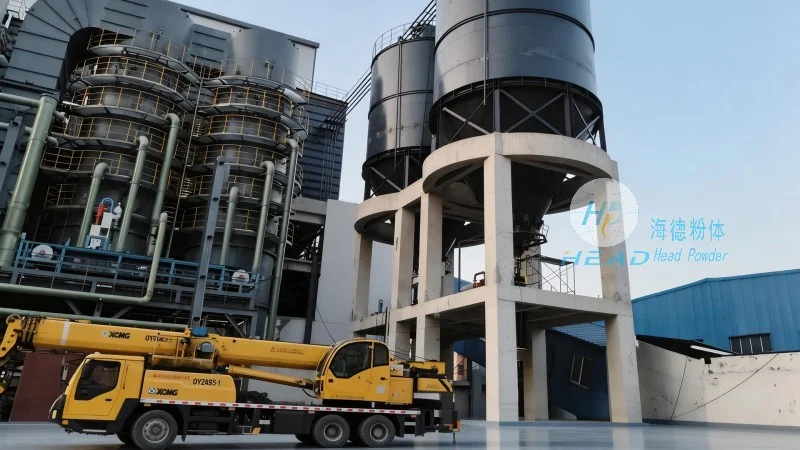
- Positive Pressure Conveying: This system utilizes compressed air to push the material through the pipeline. It is well-suited for short to medium transport distances and is effective for handling fine to medium-sized particles. Positive pressure systems are recognized for their simplicity and low maintenance demands.
- Negative Pressure (Vacuum) Conveying: In this approach, a vacuum is created at the receiving end to draw the material into the system. Negative pressure systems are often preferred for longer distances and for applications involving multiple source points feeding into a central location. They are particularly effective for handling dusty or fine materials.
- Combined (Bi-Directional) Conveying: This type integrates both positive and negative pressure capabilities, enabling flexible material transport in both directions. It is ideal for complex layouts and can accommodate a wide range of particle sizes and flow rates.
Key Features of Flake Graphite Pneumatic Conveying
Effective flake graphite pneumatic conveying systems exhibit several key features that ensure optimal performance and product integrity:
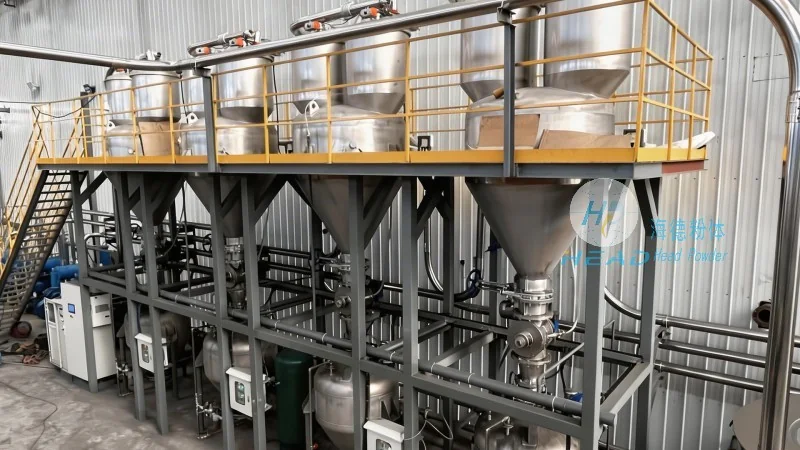
- Material Compatibility: The equipment is engineered to handle the unique properties of flake graphite, such as its low bulk density and tendency to agglomerate. Specialized materials of construction, including stainless steel or corrosion-resistant alloys, are used to prevent material buildup and extend service life.
- Low Product Degradation: Pneumatic conveying minimizes mechanical stress on the material, reducing the risk of particle breakage or contamination. This is vital for maintaining the quality of flake graphite, which is highly sensitive to handling conditions.
- Energy Efficiency: Modern systems incorporate energy-saving technologies, such as variable frequency drives and optimized air flow control, to reduce operational costs while maintaining high conveying efficiency.
- Easy Integration: The systems can be seamlessly integrated with existing production lines, allowing for smooth material transport from storage to processing or packaging areas.
Applications of Flake Graphite Pneumatic Conveying
Flake graphite pneumatic conveying systems are widely utilized in various industries where the material's properties are critical. Key applications include:




