

Technical Parameters and Transport System Process for Potassium Carbonate Fertilizer
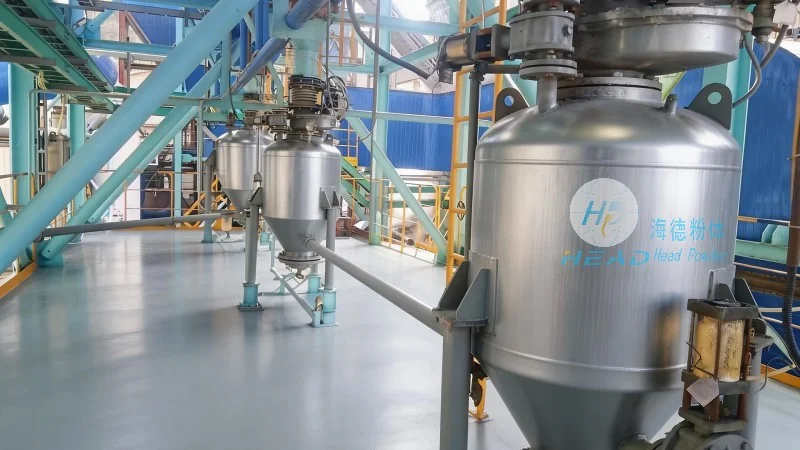
Shandong HeadPowder Engineering Co., Ltd. specializes in providing advanced solutions for the handling and transportation of potassium carbonate fertilizer. This article outlines the key technical parameters and the integrated transport system process designed to ensure efficient and reliable operation in agricultural and industrial applications.
Key Technical Parameters of Potassium Carbonate Fertilizer
Potassium carbonate fertilizer, also known as potash, is a vital nutrient for enhancing crop yields and soil health. The technical parameters of this fertilizer are critical for optimizing its application and ensuring compliance with industry standards. The following parameters are essential for understanding its performance and handling requirements:
Physical Properties: Potassium carbonate typically appears as a white crystalline powder or granules. It has a relative density of approximately 2.4 g/cm³ and a melting point around 891°C. The material is hygroscopic, meaning it can absorb moisture from the air, which affects its handling and storage conditions. The particle size distribution is crucial; finer particles may lead to better dissolution but can also increase dust generation during transport.
Chemical Composition: The primary component is potassium carbonate (K₂CO₃), with typical purity levels ranging from 98% to 99.5%. Minor impurities may include sodium carbonate, calcium carbonate, and other inorganic salts. The chemical stability of potassium carbonate is important, as it can react with acidic substances, which must be considered during storage and transportation to prevent degradation or safety hazards.
Moisture Content: The moisture content of the fertilizer is a critical parameter affecting its flowability and storage stability. Excessive moisture can lead to caking, which hinders proper handling and may reduce nutrient availability. The recommended moisture content for bulk storage is typically below 2%, and the material is often stored in a dry, well-ventilated environment to maintain optimal conditions.
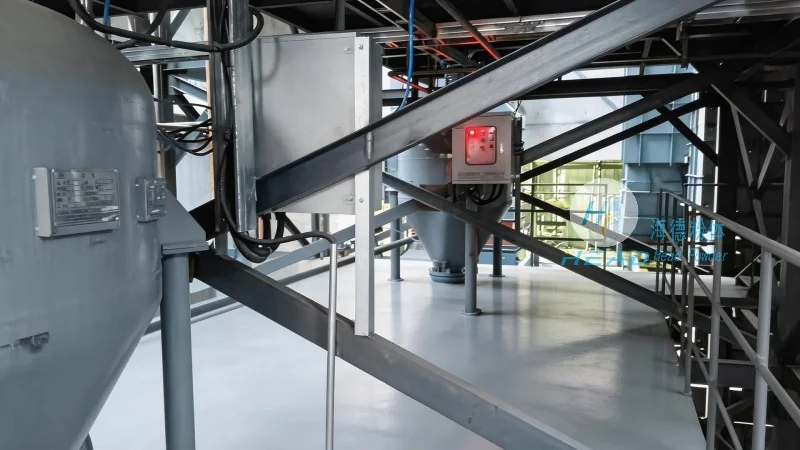
Bulk Density: The bulk density of potassium carbonate fertilizer influences the design of storage silos and conveyor systems. It generally ranges from 0.8 to 1.2 kg/L, depending on the particle size and compaction. Higher bulk density allows for more efficient storage and transport, reducing the required space and energy for handling.
Integrated Transport System Process
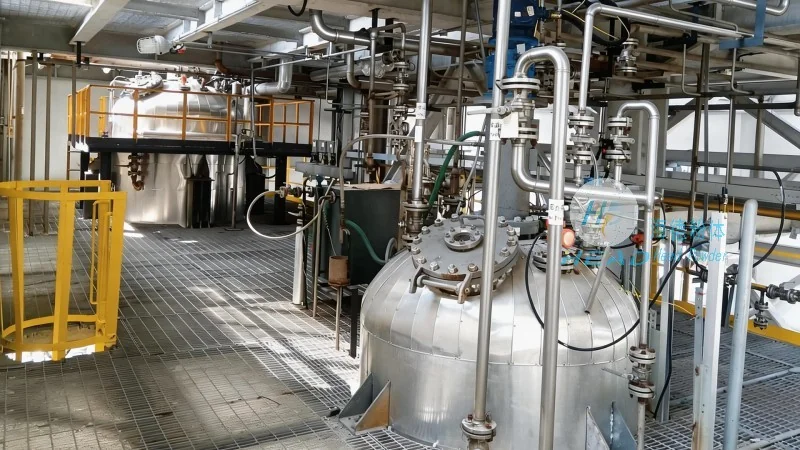
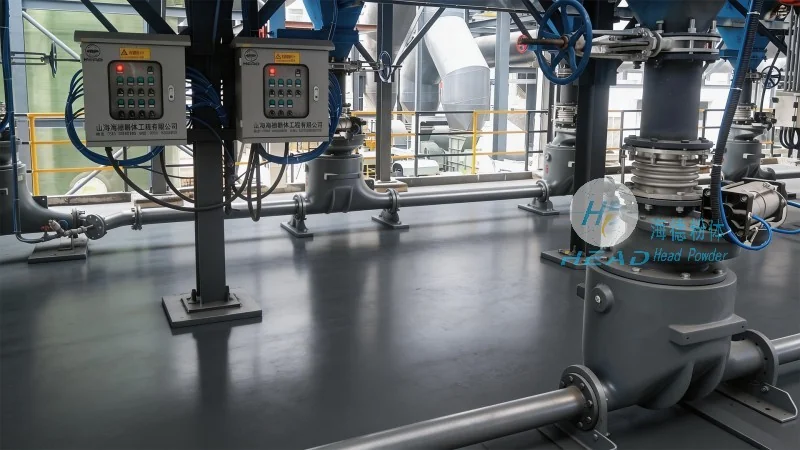
The transport system for potassium carbonate fertilizer is designed to ensure seamless and safe movement from the production facility to the end-user. The process involves several stages, each optimized for efficiency and reliability:
1. Storage and Pre-processing: After production, the fertilizer is stored in bulk storage silos or hopper bins. The material is pre-screened to remove oversized particles or debris, ensuring consistent quality. A moisture control system may be employed to maintain the desired moisture level, preventing caking and improving flow characteristics.
2. Conveying and Transfer: The fertilizer is transferred from storage to the loading area using a combination of conveyor systems, such as belt conveyors or screw conveyors. These systems are designed to handle the material's bulk density and flowability. The conveyors are equipped with dust suppression mechanisms to minimize airborne particles and ensure a clean working environment. The system may include a series of transfer points with rotary valves or gate valves to control the flow direction and rate.
3. Loading and Transportation: Once at the loading dock, the fertilizer is loaded into bulk trucks or railcars. The loading process is automated to ensure accuracy and speed. The trucks are equipped with special liners or liners to prevent material leakage and contamination. The transportation phase involves careful monitoring of the material's condition during transit, with temperature and humidity controls if necessary to maintain quality.
4. Unloading and Distribution: At the destination, the fertilizer is unloaded using similar conveyor systems as the loading process. The material is then distributed to storage facilities or directly to agricultural fields. The unloading process is designed to minimize dust and ensure the material is handled gently to preserve its granular structure and nutrient content.
System Design and Engineering Considerations
The design of the transport system for potassium carbonate fertilizer requires careful consideration of several factors to ensure optimal performance and safety. Key engineering considerations include:
Material Compatibility: All components of the transport system, including hoppers, conveyors, and storage silos, must be constructed from materials compatible with potassium carbonate. Stainless steel or corrosion-resistant alloys are commonly used to prevent chemical reactions and material degradation over time.
Dust Control: Given the hygroscopic nature of potassium carbonate, dust control is essential to maintain a safe working environment and prevent material loss. The system incorporates dust collection systems, such as baghouses or cartridge filters, to capture airborne particles and return them to the process stream or dispose of them safely.
Flow Management: Proper flow management is critical to prevent blockages and ensure consistent material movement. The use of vibrators or air knives may be employed to break up any agglomerates and maintain smooth flow through the system. The design of the hopper and silo geometry is optimized to promote uniform flow and prevent dead zones where material can accumulate and harden.
Safety and Compliance: The transport system must adhere to local and international safety regulations, particularly regarding the handling of potentially hazardous materials. This includes proper ventilation, emergency shutdown systems, and regular maintenance schedules to ensure all components are in good working condition.
Conclusion
Shandong HeadPowder Engineering Co., Ltd. provides comprehensive technical solutions for the transport and handling of potassium carbonate fertilizer, focusing on the critical parameters and integrated system processes. By adhering to industry standards and employing advanced engineering practices, the company ensures efficient, safe, and reliable operation for its clients. The technical parameters and transport system process outlined above are designed to meet the demands of modern agricultural and industrial applications, supporting sustainable crop production and nutrient management.