Resin sand, a critical material in modern foundry processes, requires efficient and reliable transportation systems to ensure smooth production workflows. The choice of conveying method significantly impacts operational efficiency, material quality, and overall production costs. Among the various options available, pneumatic conveying stands out as a preferred solution for resin sand handling due to its unique advantages and technical capabilities.
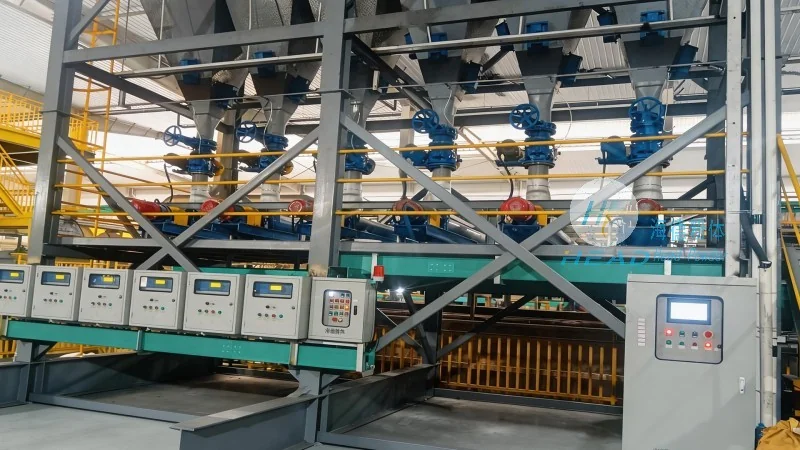
Understanding Resin Sand Conveying Methods
Resin sand, also known as no-bake sand, is widely used in the casting industry for its excellent properties, including high strength, good flowability, and reduced dust generation. The primary goal of resin sand conveying is to transport this material from storage to the molding or casting stations with minimal loss, contamination, and energy consumption. Several methods are employed for resin sand transportation, each with distinct characteristics and applications.
Pneumatic Conveying: A Preferred Solution for Resin Sand Handling
Pneumatic conveying, also referred to as air conveying, is a method that uses compressed air to transport bulk materials like resin sand through a pipeline system. This technology offers several advantages that make it ideal for resin sand applications. The key benefits include:
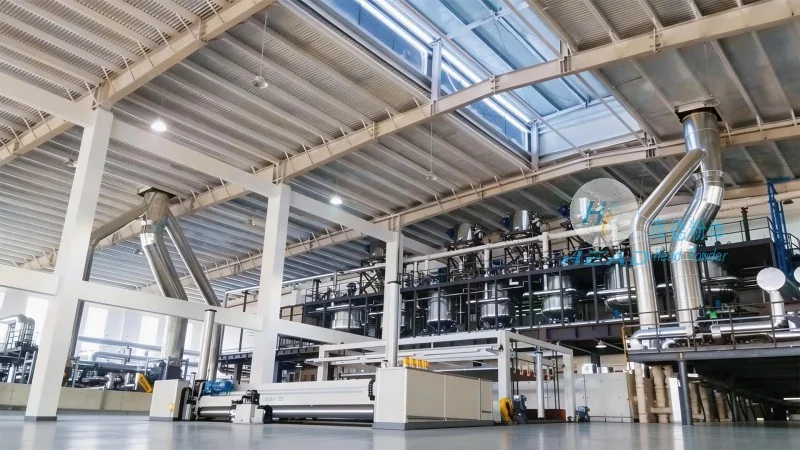
- Low Material Loss and Contamination: Pneumatic systems effectively minimize material spillage and contamination during transport, preserving the quality of the resin sand. This is crucial for maintaining the integrity of the casting process.
- Energy Efficiency: Compared to mechanical conveying systems, pneumatic conveying can be more energy-efficient, especially for long-distance or high-volume transport. The use of compressed air as the primary driving force reduces the need for heavy machinery and reduces operational costs.
- Flexibility and Scalability: Pneumatic conveying systems can be easily scaled up or down to accommodate varying production demands. They can be integrated with existing foundry infrastructure, allowing for seamless integration into current production lines.
- Reduced Labor and Maintenance: Automated pneumatic systems require less manual labor for operation and maintenance, leading to lower labor costs and reduced downtime. The enclosed pipeline system also minimizes the need for frequent cleaning and maintenance.
Technical Features of Pneumatic Conveying for Resin Sand
The effectiveness of pneumatic conveying for resin sand is enhanced by several technical features designed to optimize performance and reliability. These features include:
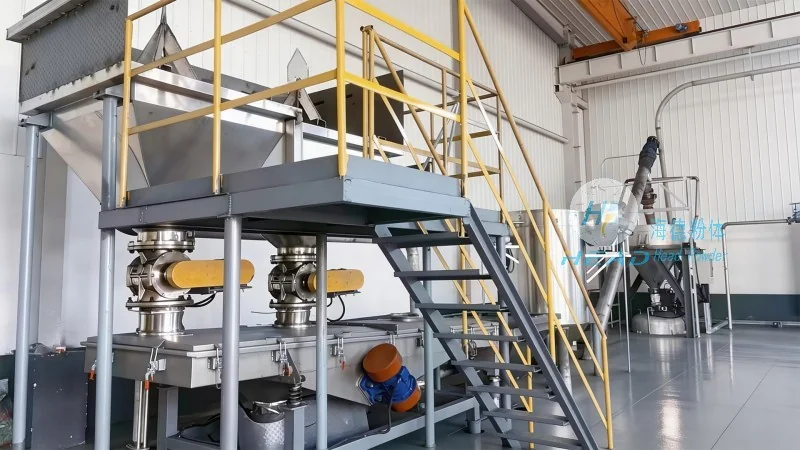
- Positive Displacement Pumps: These pumps provide consistent and reliable material flow, ensuring that resin sand is transported at a controlled rate. They are particularly effective for handling abrasive materials like resin sand, which can cause wear on conventional pumps.
- Filter and Dust Collection Systems: Pneumatic conveying systems are equipped with advanced filtration and dust collection units to capture fine particles and prevent air pollution. This not only improves environmental compliance but also maintains the quality of the resin sand by preventing contamination from airborne particles.
- Variable Speed Drives: Modern pneumatic systems often incorporate variable speed drives that allow for precise control over the conveying speed. This flexibility enables operators to adjust the flow rate based on production requirements, optimizing energy use and material handling efficiency.
- Material Handling Accessories: Specialized components such as rotary valves, feeders, and silos are used to ensure smooth material transfer at the inlet and outlet of the conveying system. These accessories help maintain consistent flow and prevent blockages, which are common issues in resin sand handling.
Applications and Benefits in Foundry Operations
In foundry operations, the use of pneumatic conveying for resin sand offers significant benefits that directly impact production outcomes. For instance, it enables the efficient transport of resin sand from storage silos to molding machines, reducing the time and labor required for manual handling. This leads to improved production throughput and reduced cycle times. Additionally, the enclosed nature of pneumatic systems minimizes dust exposure for workers, enhancing workplace safety and compliance with occupational health regulations.
Conclusion
Resin sand pneumatic conveying is a highly effective and efficient method for transporting resin sand in foundry applications. Its advantages, including low material loss, energy efficiency, flexibility, and reduced maintenance, make it a preferred choice over traditional mechanical conveying systems. By leveraging advanced technical features and proper system design, foundries can achieve optimal performance, maintain material quality, and enhance overall operational efficiency. As the foundry industry continues to evolve, the adoption of pneumatic conveying technology will remain a key factor in improving production processes and ensuring sustainable operations.




